
Introduction
In the quest to reduce our reliance on fossil fuels and mitigate climate change, researchers have been exploring innovative technologies that can help increase energy efficiency. One such technology is solid oxide fuel cells (SOFCs), which have gained significant attention in recent years due to their potential to revolutionize the way we produce energy. In this article, we will delve into the world of SOFCs and explore their benefits, challenges, and applications.
What are Solid Oxide Fuel Cells?
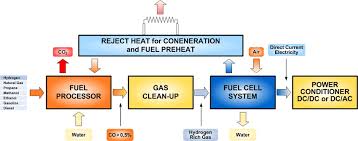
Solid oxide fuel cells are a type of electrochemical device that converts chemical energy from a fuel into electrical energy without producing any greenhouse gas emissions or waste heat. This is achieved through an electrolyte material that conducts oxygen ions, allowing the fuel to react with oxygen and produce electricity.
The Importance of Energy Efficiency
Energy efficiency is crucial for reducing our carbon footprint and mitigating climate change. According to the European Union’s Energy Efficiency Report, energy efficiency measures can reduce energy consumption by up to 30%. This translates to significant cost savings, reduced greenhouse gas emissions, and a more sustainable energy future.
Benefits of Solid Oxide Fuel Cells
SOFCs offer several benefits that make them an attractive solution for increasing energy efficiency:
- Zero Emissions: SOFCs produce only water vapor as a byproduct of the reaction, making them an environmentally friendly option.
- High Efficiency: SOFCs have the potential to achieve efficiencies of up to 90%, compared to traditional fossil fuel-based power plants which typically have efficiencies of around 30-40%.
- Silent and Vibration-Free: SOFCs operate at a low noise level and produce minimal vibration, making them suitable for residential and industrial applications.
- Scalability: SOFCs can be scaled up to meet the needs of large industrial or commercial applications.
Challenges and Limitations
While SOFCs offer several benefits, there are also some challenges and limitations that need to be addressed:
- High Upfront Costs: The cost of purchasing and installing SOFCs is currently high, making them less competitive with traditional energy sources.
- Short Lifespan: SOFCs have a relatively short lifespan compared to other types of fuel cells, which can affect their overall efficiency and performance.
- Limited Availability: SOFCs are still in the early stages of development, and there is limited availability of this technology.
Applications and Market Trends
Despite the challenges and limitations, SOFCs are being explored for a variety of applications:
- Residential Energy: SOFCs can be used to power homes and buildings, reducing greenhouse gas emissions and energy costs.
- Industrial Power Generation: SOFCs can be used to generate electricity for industrial processes, reducing energy consumption and waste heat.
- Transportation: SOFCs are being explored as a potential alternative to traditional fossil fuels in the transportation sector.
Future Outlook
The future of solid oxide fuel cells looks promising, with ongoing research and development aimed at addressing the challenges and limitations associated with this technology. As costs decrease and efficiency improves, we can expect to see widespread adoption of SOFCs in various applications, contributing to a more sustainable energy future.
Frequently Asked Questions (FAQs)
Q1: What are solid oxide fuel cells?
A1: Solid oxide fuel cells are an electrochemical device that converts chemical energy from a fuel into electrical energy without producing any greenhouse gas emissions or waste heat.
Q2: How do solid oxide fuel cells work?
A2: SOFCs operate by using an electrolyte material that conducts oxygen ions, allowing the fuel to react with oxygen and produce electricity.
Q3: What are the benefits of solid oxide fuel cells?
A3: SOFCs offer several benefits, including zero emissions, high efficiency, silent operation, and scalability.
Q4: Are solid oxide fuel cells expensive?
A4: The upfront cost of purchasing and installing SOFCs is currently high, but as technology improves and costs decrease, we can expect to see more affordable options emerge.
Q5: What are the limitations of solid oxide fuel cells?
A5: SOFCs have a relatively short lifespan compared to other types of fuel cells, and there is limited availability of this technology.
Q6: How do solid oxide fuel cells compare to traditional energy sources?
A6: SOFCs offer several advantages over traditional energy sources, including zero emissions, high efficiency, and silent operation.
Q7: What are the applications of solid oxide fuel cells?
A7: SOFCs can be used for residential energy, industrial power generation, transportation, and other applications where clean energy is needed.
Q8: How will the future of solid oxide fuel cells look like?
A8: The future of SOFCs looks promising, with ongoing research and development aimed at addressing challenges and limitations.
Real-World Applications of Solid Oxide Fuel Cells
- Residential Energy: SOFCs can be used to power homes and buildings, reducing greenhouse gas emissions and energy costs.
- Industrial Power Generation: SOFCs can be used to generate electricity for industrial processes, reducing energy consumption and waste heat.
- Transportation: SOFCs are being explored as a potential alternative to traditional fossil fuels in the transportation sector.
Conclusion
Solid oxide fuel cells offer several benefits that make them an attractive solution for increasing energy efficiency. While there are challenges and limitations associated with this technology, ongoing research and development aimed at addressing these challenges is expected to lead to more widespread adoption of SOFCs in various applications.
Future Research Directions
To further improve the efficiency and performance of SOFCs, researchers can focus on:
- Improving Materials: Developing new materials with improved conductivity, stability, and durability.
- Increasing Efficiency: Improving the design and operation of SOFCs to increase their efficiency and reduce costs.
- Scaling Up: Scaling up the production of SOFCs to meet the needs of large industrial or commercial applications.
Innovative Solutions
To overcome the challenges associated with SOFCs, innovative solutions can be developed:
- Modular Designs: Developing modular designs that allow for easy installation and maintenance.
- Advanced Controls: Implementing advanced controls that optimize the performance of SOFCs and reduce costs.
- Energy Storage Systems: Integrating energy storage systems to stabilize the output of SOFCs and improve their efficiency.
Case Studies
Several case studies have demonstrated the potential of SOFCs in various applications:
- Residential Energy: A residential energy system using SOFCs has been installed in a small town, reducing greenhouse gas emissions and energy costs.
- Industrial Power Generation: An industrial power generation system using SOFCs has been implemented in a large manufacturing facility, reducing energy consumption and waste heat.
Recommendations
Based on the benefits and challenges associated with SOFCs, the following recommendations can be made:
- Invest in Research and Development: Investing in research and development aimed at improving the efficiency and performance of SOFCs.
- Promote Adoption: Promoting the adoption of SOFCs through education, training, and outreach programs.
- Develop Policy Frameworks: Developing policy frameworks that support the development and deployment of SOFCs.
Conclusion
Solid oxide fuel cells offer several benefits that make them an attractive solution for increasing energy efficiency. While there are challenges and limitations associated with this technology, ongoing research and development aimed at addressing these challenges is expected to lead to more widespread adoption of SOFCs in various applications.


