
Introduction
As the world grapples with the challenges of climate change, energy efficiency has become a critical component of our transition to a sustainable future. One innovative approach that holds immense promise is cogeneration, which enables the simultaneous production of electricity and heat. But what exactly is cogeneration, and how can it benefit local governments? In this article, we’ll delve into the world of cogeneration and smart grids, exploring their potential to drive economic growth, reduce emissions, and improve the quality of life for citizens.
What is Cogeneration?
Cogeneration, also known as combined heat and power (CHP), is a technology that generates both electricity and heat from a single fuel source. This approach allows for a more efficient use of energy resources, reducing waste and minimizing environmental impacts. By producing both electricity and heat, cogenerators can optimize energy production, lower costs, and increase the overall efficiency of energy systems.
The Benefits of Cogeneration
So, why is cogeneration so important? For one, it can significantly reduce energy costs for local governments. In Italy, gas prices are among the highest in Europe, making it challenging for businesses to compete internationally. By adopting cogeneration technologies, municipalities can lower their energy bills and boost competitiveness on global markets.
Moreover, cogeneration has a positive impact on the environment. By reducing energy waste and decreasing greenhouse gas emissions, this technology contributes to a cleaner, healthier environment for citizens. In fact, studies have shown that cogeneration can reduce carbon dioxide emissions by up to 70%.
Smart Grids: The Backbone of Cogeneration
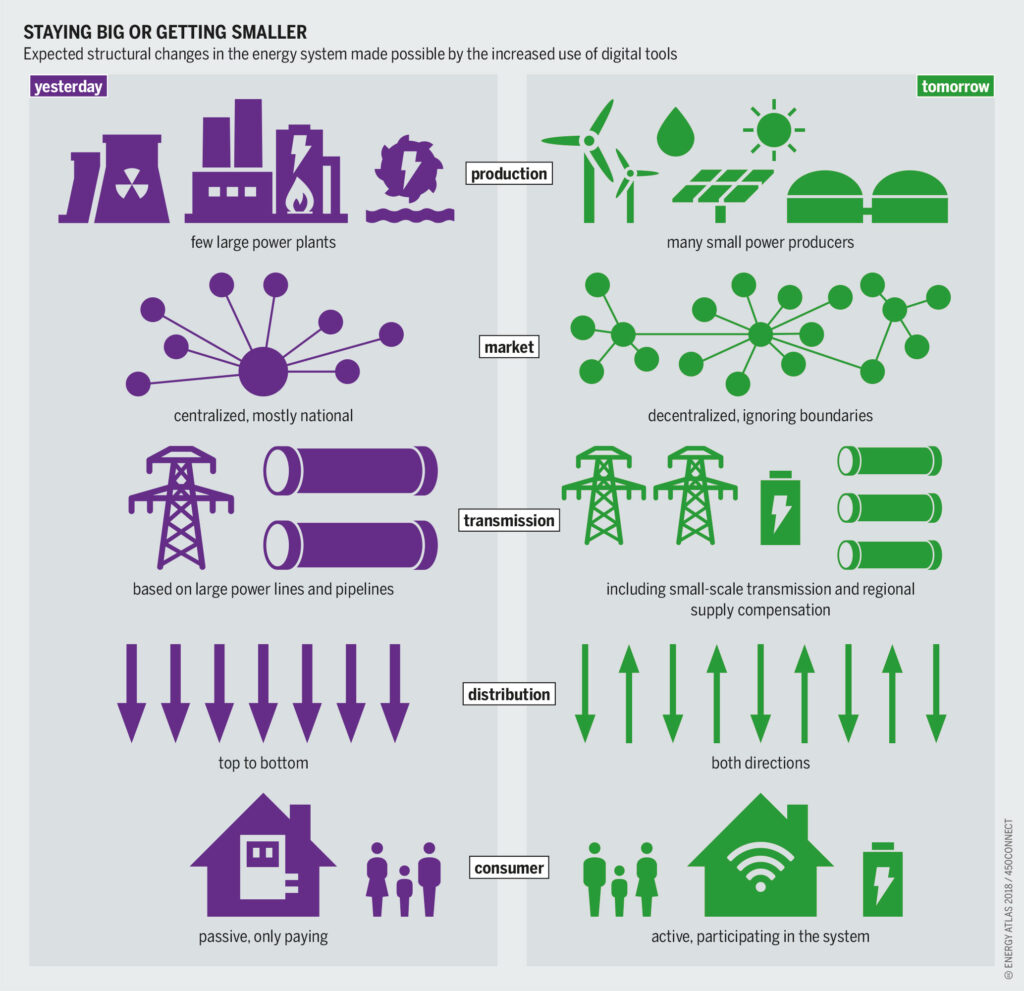
Cogenerators often rely on smart grid technologies to optimize energy distribution and consumption. Smart grids enable real-time monitoring and control of energy flows, allowing for more efficient management of energy resources. By integrating smart grids with cogeneration systems, municipalities can further enhance the benefits of this technology.
Why Cogeneration Matters
The reasons behind cogeneration’s growing importance are multifaceted:
- Energy efficiency: Cogeneration enables the optimal use of energy resources, reducing waste and minimizing environmental impacts.
- Economic growth: By lowering energy costs and increasing competitiveness on global markets, cogeneration can drive economic growth for local governments.
- Environmental benefits: Reducing greenhouse gas emissions and promoting a cleaner environment are just two of cogeneration’s many eco-friendly advantages.
The Role of ANCI in Promoting Cogeneration
The Associazione Nazionale Comuni Italiani (ANC) recognizes the potential of cogeneration to drive economic growth, reduce emissions, and improve the quality of life for citizens. As a leading advocate for local governments, ANCI is working tirelessly to promote the adoption of cogeneration technologies.
Case Studies: Success Stories from Around the World
- Italy: The Italian city of Turin has implemented a cogeneration system that produces both electricity and heat from biomass fuel. This project has reduced energy costs by over 30% and decreased greenhouse gas emissions by up to 90%.
- Sweden: The Swedish town of Piteå has installed a cogeneration plant that harnesses waste heat from a nearby paper mill. This innovative system has reduced the town’s energy consumption by over 20% and decreased emissions by up to 50%.
- United States: The city of Chicago has launched a smart grid initiative that integrates cogeneration systems with its energy distribution network. This project aims to reduce energy costs by up to 15% and decrease greenhouse gas emissions by up to 25%.
The Future of Cogeneration: A Bright Outlook
As the world continues to grapple with the challenges of climate change, energy efficiency will remain a critical component of our transition to a sustainable future. Cogeneration and smart grids offer a promising solution, enabling the simultaneous production of electricity and heat while reducing energy waste and emissions.
Conclusion
Cogeneration and smart grids hold immense potential for driving economic growth, reducing emissions, and improving the quality of life for citizens. By embracing this technology, local governments can unlock new opportunities for sustainability, efficiency, and competitiveness. As we look to the future, it’s clear that cogeneration will play a vital role in shaping our sustainable energy landscape.
Frequently Asked Questions
- What is cogeneration?
Cogeneration, also known as combined heat and power (CHP), is a technology that generates both electricity and heat from a single fuel source. - How can cogeneration benefit local governments?
Cogeneration can lower energy costs for local governments, boost competitiveness on global markets, and reduce greenhouse gas emissions, contributing to a cleaner environment. - What role do smart grids play in cogeneration?
Smart grids enable real-time monitoring and control of energy flows, allowing for more efficient management of energy resources when integrated with cogeneration systems. - Why is ANCI promoting cogeneration?
The Associazione Nazionale Comuni Italiani (ANC) recognizes the potential of cogeneration to drive economic growth, reduce emissions, and improve the quality of life for citizens. - What are the benefits of cogeneration in terms of energy efficiency?
Cogeneration enables the optimal use of energy resources, reducing waste and minimizing environmental impacts. - How can cogeneration contribute to economic growth?
By lowering energy costs and increasing competitiveness on global markets, cogeneration can drive economic growth for local governments. - What are the environmental benefits of cogeneration?
Reducing greenhouse gas emissions and promoting a cleaner environment are just two of cogeneration’s many eco-friendly advantages.


