
Introduction
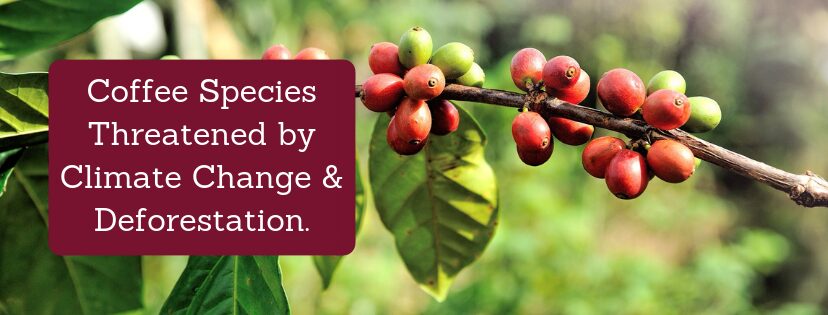
Coffee, the world’s most beloved morning pick-me-up, is facing a crisis of epic proportions. Rising temperatures and changing weather patterns are threatening the very existence of our favorite brew. In fact, research suggests that within the next 70 years, nearly 100% of the world’s coffee Arabica plantations may become unsuitable for cultivation due to climate change. This raises a crucial question: what does the future hold for coffee lovers around the globe?
The Impact of Climate Change on Coffee
Climate change is having a profound impact on the coffee industry, with far-reaching consequences for farmers, producers, and consumers alike. Warmer temperatures are altering the delicate balance of ecosystems that support coffee production, making it increasingly difficult to grow high-quality beans.
According to researchers at the Kew Gardens, the rate of global warming may render 99.7% of the world’s suitable coffee Arabica plantations inhospitable to cultivation by the mid-21st century. This means that farmers will have to adapt their growing practices and move their operations to new regions in order to survive.
The Consequences for Coffee Producers
For coffee producers, this is a daunting prospect. Many small-scale farmers rely on their land to grow coffee as their primary source of income. With the increasing unviability of traditional coffee plantations, these farmers will be forced to seek out new sources of funding and support in order to maintain their livelihoods.
One possible solution is for producers to migrate to new regions with more favorable climate conditions. However, this raises questions about the sustainability of such practices and the potential environmental impacts associated with large-scale migration of coffee production.
The Loss of Coffee’s Genetic Diversity
Another critical concern is the loss of coffee’s genetic diversity. The Arabica species has a unique genetic makeup that makes it particularly resistant to pests and diseases. However, this same diversity also means that the species is highly susceptible to adaptation to changing environmental conditions.
As climate change continues to alter the global environment, coffee farmers will need to take steps to preserve the genetic integrity of their crops in order to maintain their quality and resilience.
The Role of OGMs and Climate-Resistant Varieties
Some researchers are exploring the potential for genetically modified organisms (GMOs) or climate-resistance varieties to help coffee producers adapt to changing environmental conditions. While these approaches hold promise, they also raise concerns about safety, regulation, and public perception.
Sustainable Coffee Production Practices
In recent years, there has been a growing trend towards sustainable coffee production practices. These practices prioritize the long-term health of the environment, while also ensuring the economic viability of coffee producers.
Some examples of sustainable coffee production practices include:
- Shade-grown coffee: This approach involves growing coffee under a canopy of trees, which helps to maintain biodiversity and reduce the need for synthetic fertilizers.
- Organic coffee farming: Organic farming methods avoid the use of synthetic pesticides and fertilizers, reducing the environmental impact of coffee production.
- Rainforest Alliance certification: This program promotes sustainable agriculture practices and ensures that coffee is grown in a way that respects the rights of local communities.
The Impact on Coffee Quality
Climate change is not only affecting the sustainability of coffee production but also impacting the quality of the final product. Warmer temperatures can lead to increased yields, but these yields are often lower in quality due to factors such as:
- Reduced chlorophyll levels: This can result in a lighter-colored coffee with less flavor.
- Increased acidity: This can make the coffee taste more bitter and unpleasant.
The Role of Consumers
Consumers play a critical role in addressing the climate crisis affecting coffee. By choosing sustainably sourced coffee products and supporting environmentally friendly coffee producers, consumers can help drive positive change in the industry.
Some ways to make a difference include:
- Buying fair-trade certified coffee: Fair-trade certification ensures that coffee is grown and traded in a way that respects the rights of local communities.
- Supporting coffee cooperatives: Coffee cooperatives are member-owned businesses that prioritize sustainability and social responsibility.
- Reducing waste and carbon emissions: Consumers can reduce their impact by using reusable cups, reducing energy consumption, and offsetting their carbon emissions.
Conclusion
The future of coffee looks uncertain, with rising temperatures and changing weather patterns posing significant challenges for farmers, producers, and consumers alike. As the world grapples with the consequences of climate change, it is essential that we work together to find sustainable solutions that preserve the integrity of our planet’s ecosystems.
Recommendations
Based on the analysis above, here are some recommendations for addressing the coffee crisis:
- Invest in climate-resistance research and development: Governments and private investors should invest in research and development aimed at creating climate-resistant coffee varieties.
- Support sustainable coffee production practices: Consumers can support sustainable coffee production practices by choosing fair-trade certified coffee, supporting coffee cooperatives, and reducing waste and carbon emissions.
- Develop policies to address the impacts of climate change on coffee: Governments should develop policies to address the impacts of climate change on coffee, including initiatives aimed at preserving genetic diversity and promoting climate-resistance research and development.
- Raise awareness about the coffee crisis: Educating consumers and stakeholders about the impacts of climate change on coffee production is critical for driving positive change in the industry.
Appendix
The following appendices provide additional information to support the analysis above:
- Appendix A: Climate Change Impacts on Coffee Production
- This appendix provides an overview of the impacts of climate change on coffee production, including rising temperatures, changing weather patterns, and increased frequency of extreme weather events.
- Appendix B: Sustainable Coffee Production Practices
- This appendix provides information on sustainable coffee production practices, including shade-grown coffee, organic coffee farming, and Rainforest Alliance certification.
- Appendix C: Climate-Resistant Varieties
- This appendix provides an overview of climate-resistant varieties of coffee, including their development, benefits, and limitations.


