
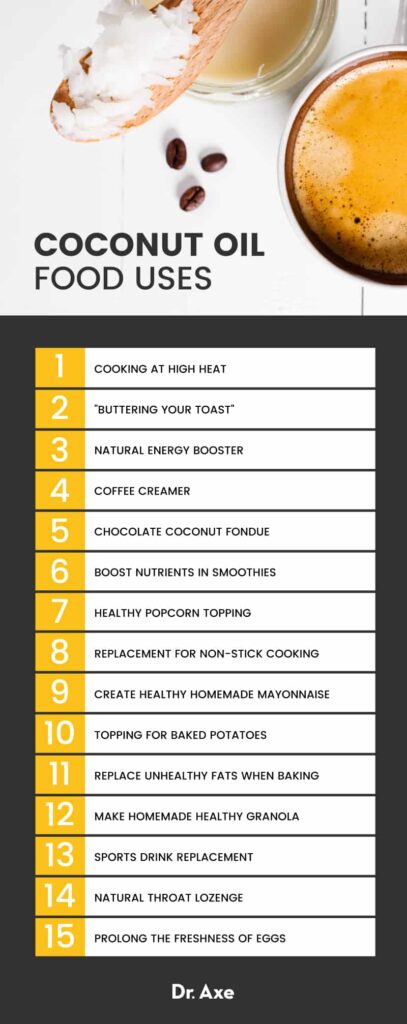
As we explore the world of culinary delights, we often find ourselves drawn to exotic flavors and ingredients. One such ingredient that has gained popularity in recent years is coconut oil. While many of us have used it on our skin or hair, this versatile oil also has a rich history in cooking. In this article, we will delve into the properties of coconut oil, its benefits, and explore some mouth-watering recipes to get you started.
Characteristics of Coconut Oil
Coconut oil is extracted from the white flesh of coconuts, which sets it apart from other oils like olive oil. Unlike other cooking oils, coconut oil retains a hint of tropical flavor and aroma without overpowering your dishes. It can be used both raw and cooked, making it an excellent addition to various cuisines.
Benefits of Coconut Oil in Cooking
As we explore the properties of coconut oil, you’ll discover why it’s becoming increasingly popular among health enthusiasts and chefs alike. Here are some of its key benefits:
- Stable at High Temperatures: Unlike olive oil, coconut oil remains stable when heated, making it perfect for high-heat cooking methods like frying and sautéing.
- Nutrient-Rich: Coconut oil is rich in medium-chain triglycerides (MCTs), which have been shown to have health benefits, including improving heart health and aiding in weight loss.
- Antimicrobial Properties: The lauric acid present in coconut oil has antimicrobial properties, making it a great addition to dishes that require preservation.
Recipes to Get You Started
Now that we’ve covered the basics of coconut oil, let’s move on to some delicious recipes that showcase its versatility. Here are two mouth-watering options:
Muffins with Chocolate and Coconut Flavors
These moist and flavorful muffins combine the richness of chocolate with the subtlety of coconut.
Ingredients:
- 200 g of whole wheat flour
- 250 ml of unsweetened yogurt
- 20 g of sugar cane syrup
- 100 g of dark chocolate chips
- 1 teaspoon of baking powder
- 5 tablespoons of coconut oil, melted
- 1 teaspoon of cocoa powder
Instructions:
- Preheat the oven to 180°C (350°F).
- In a large bowl, combine the flour, yogurt, sugar cane syrup, and dark chocolate chips.
- Add the baking powder, melted coconut oil, and cocoa powder to the mixture.
- Mix well until all ingredients are fully incorporated.
- Divide the batter evenly among 12 muffin cups.
- Bake for 20 minutes or until a toothpick inserted into the center comes out clean.
Exotic Vegetables Roasted with Coconut Oil
This recipe adds a touch of tropical flavor to your roasted vegetables, making them a perfect side dish for any meal.
Ingredients:
- 100 g of zucchini
- 100 g of bell peppers
- 100 g of carrots
- 100 g of broccoli florets
- 4 tablespoons of coconut oil
- Salt and pepper to taste
- 1 teaspoon of curry powder
Instructions:
- Preheat the oven to 180°C (350°F).
- In a large bowl, toss together the zucchini, bell peppers, carrots, broccoli florets, and coconut oil.
- Season with salt, pepper, and curry powder to taste.
- Spread the vegetables evenly on a baking sheet lined with parchment paper.
- Roast for 25 minutes or until the vegetables are tender and lightly browned.
In conclusion, coconut oil is more than just a versatile ingredient; it’s a culinary game-changer. Whether you’re looking to add a touch of tropical flavor or a healthy dose of nutrition, this magical oil has got you covered. Experiment with different recipes and explore the world of cooking with coconut oil – your taste buds will thank you!
Frequently Asked Questions
- Is Coconut Oil Safe for Consumption?
Yes, coconut oil is generally considered safe for consumption in moderation. - Can I Substitute Coconut Oil with Other Oils?
While it’s possible to substitute coconut oil with other oils, its unique properties make it an excellent choice for cooking and baking. - Does Coconut Oil Contain Saturated Fats?
Yes, coconut oil contains saturated fats, but the MCTs present in it have been shown to have health benefits. - Can I Use Coconut Oil as a Substitute for Butter or Olive Oil?
While it’s possible to use coconut oil as a substitute, its flavor and texture are distinct from those of butter and olive oil.
Tips for Cooking with Coconut Oil
- Always choose high-quality coconut oil that is free from additives and preservatives.
- Use coconut oil at the right temperature – between 100°F (38°C) and 350°F (175°C).
- Don’t overheat coconut oil, as it can become rancid.
- Experiment with different ratios of coconut oil to other ingredients to find your perfect balance.
Common Uses for Coconut Oil
- Cooking: Use coconut oil as a substitute for butter or olive oil in various dishes.
- Baking: Add coconut oil to baked goods like muffins, cakes, and cookies for added flavor and nutrition.
- Skincare: Use coconut oil as a natural moisturizer and skin protector.
- Haircare: Apply coconut oil to the ends of your hair to lock in moisture and prevent breakage.
Conclusion
Coconut oil is more than just a versatile ingredient; it’s a culinary game-changer. With its unique properties, health benefits, and delicious flavor, it’s no wonder why coconut oil has become a staple in many kitchens around the world. Experiment with different recipes and explore the world of cooking with coconut oil – your taste buds will thank you!


