
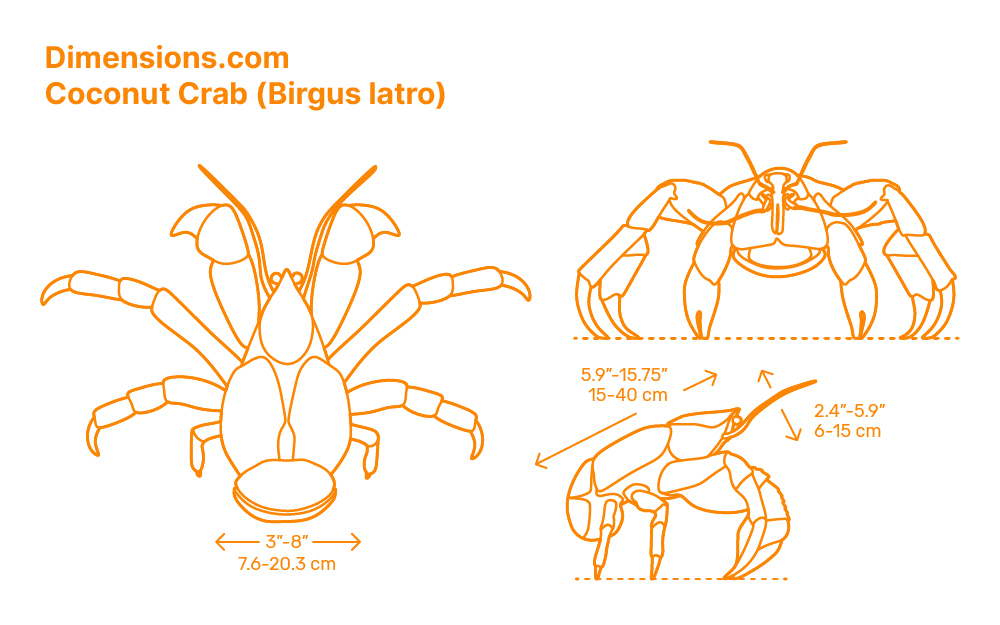
In the vast expanse of our planet, there exist creatures that defy comprehension, their sheer size and strength leaving us in awe. Among these is the giant coconut crab, a behemoth of the terrestrial world. With its impressive dimensions and remarkable abilities, this crustacean has captivated the imagination of many. In this article, we will delve into the fascinating world of the giant coconut crab, exploring its characteristics, habits, and significance.
The Largest Terrestrial Arthropod
The giant coconut crab is widely regarded as the largest terrestrial arthropod on Earth. Its massive size, rivaling that of a small animal, is a testament to its adaptability and resilience in its native habitats. Measuring up to 4 kg and 40 cm in length, this creature can be intimidating, but do not let its size fool you – it is also an expert climber.
Size Comparison: Giant Coconut Crab vs. Japanese Spider Crab
For context, the Japanese spider crab is often considered the largest arthropod alive today, with a leg span of up to 4 meters and a weight of up to 20 kg. However, the giant coconut crab’s size should not be underestimated, especially when considering its terrestrial habitat.
What Makes a Giant Coconut Crab?
To answer this question, we need to examine the unique characteristics that make this species stand out from others. Its name is derived from the fact that it “steals” coconuts for food by snapping open the hard shells with its powerful claws.
The Coconut Crab’s Habitat and Diet
- Habitat: The giant coconut crab inhabits tropical regions of Asia, including the Philippines and Indonesia.
- Diet: Its primary source of nutrition is coconuts, which it cracks open using its impressive claws.
How Does a Giant Coconut Crab Open a Coconut?
The process of opening a coconut is a complex one for this crustacean, involving multiple steps:
- Identifying the Three Germination Pores: The crab locates the three small holes at the top of the coconut and uses its sharp, pointed claws to puncture them.
- Creating a Hole: With each pore, the crab creates a small hole, allowing it to access the coconut’s internal structure.
- Removing the Coconut Meat: Using its claws, the crab carefully extracts the meat from the coconut shell without damaging it too much.
Safety Precautions and Handling
When interacting with giant coconut crabs, exercise caution:
- The crab’s claws can exert a force of up to 10 times that of a human hand.
- Due to their size and strength, these creatures are capable of causing serious harm if provoked.
Culinary Significance
In Southeast Asian cuisine, the coconut crab is considered a delicacy. Its meat is rich in protein and low in fat, making it a popular choice for seafood lovers. However, there is an important note: consuming mangoes from certain species can make the crab’s meat toxic.
The Giant Coconut Crab as an Indicator Species
As an indicator of environmental health, the giant coconut crab plays a vital role in maintaining ecosystem balance. Changes in its population or habitat could signal broader issues within the environment.
Conservation Efforts
To protect these magnificent creatures and their habitats, conservation efforts are necessary:
- Habitat preservation: Protecting forests and mangrove ecosystems where the giant coconut crabs live is crucial for their survival.
- Research and monitoring: Scientists need to study the behavior and population dynamics of this species to better understand its needs and threats.
Interesting Facts About Giant Coconut Crabs
- Social Structure: These crustaceans are known to form groups, with dominant individuals leading smaller subgroups.
- Climbing Abilities: The giant coconut crab’s impressive climbing abilities allow it to ascend trees and shrubs in search of food or shelter.
- Mating Rituals: Giant coconut crabs engage in complex courtship behaviors, including the display of bright colors and the creation of intricate sand sculptures.
Threats to Giant Coconut Crab Populations
Several factors threaten the giant coconut crab population:
- Habitat destruction: The loss of forests and mangrove ecosystems due to deforestation and human activities has a significant impact on their habitats.
- Overhunting: Giant coconut crabs are hunted for food, and their populations may be affected by illegal fishing practices.
Conclusion
The giant coconut crab is an incredible creature that continues to fascinate us with its unique characteristics and impressive abilities. By understanding more about this species, we can better appreciate the importance of conservation efforts and preserving these natural wonders for future generations.


