
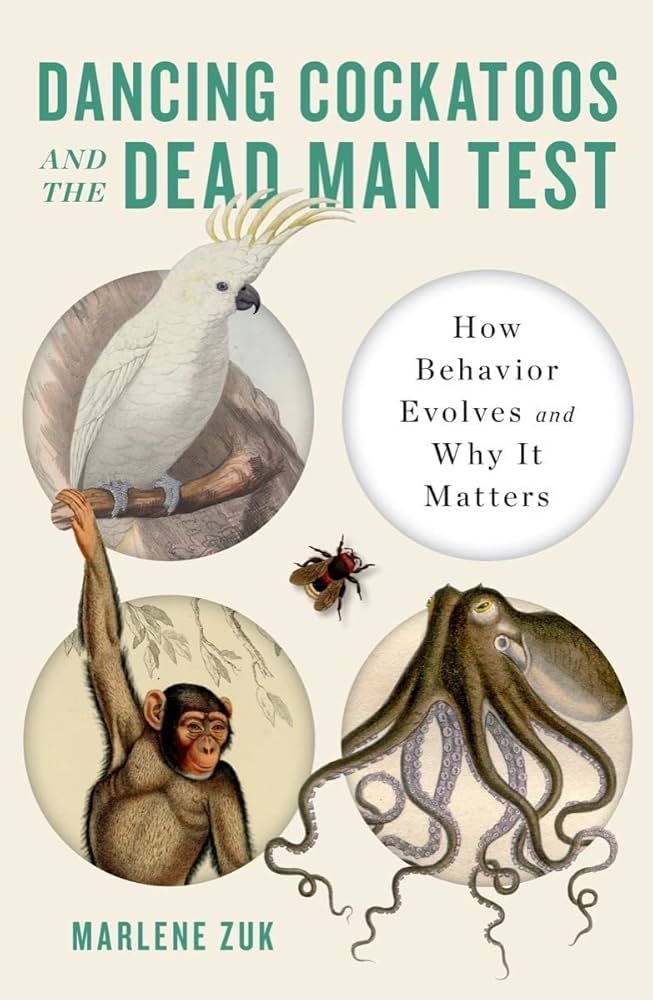
The Dancing Parrot: Stories and Studies
There’s a remarkable parrot making waves online, one that loves to dance. Meet Snowball, a talented parrot who has stolen the show with his impressive performances on social media. It’s time to delve into the world of cacatuids and explore what makes this bird tick.
Cacatua Characteristics
Before we get to know our star, let’s learn about the species. Cacatuids belong to the Psittaciformes order, with names derived from the Malay language. The name itself is not straightforward, as it can be literally translated to “older sister” or “sister of the bird.” Despite this, we’re face-to-face with a relatively ordinary parrot, featuring a curved beak and two toes behind its feet, with two in front.
To spot these birds in their natural habitat, you’ll need to head to Australia, where eleven out of twenty-one species call home. Other species can be found in Indonesia, New Guinea, and southern Pacific islands. Three species are shared by New Guinea and Australia.
Cacatua and Music: Snowball’s Story
Snowball is taking the online world by storm with his incredible dancing skills. This charismatic parrot has become a viral sensation, and it all started when he began performing to popular songs. His owner, Irena Schulz, noticed his talent and encouraged him to showcase it.
The results were astounding: Snowball could create unique dance moves that seemed spontaneous and enjoyable for its own sake. Unlike other animals, he didn’t learn from external rewards but rather had a natural inclination towards rhythm and movement.
Researchers at the University of Tufts conducted an extensive study on Snowball’s abilities, which revealed that this parrot possessed advanced cognitive capabilities. They discovered that Snowball was capable of inventing dance moves without prior training or external incentives.
To better understand Snowball’s behavior, researchers used various song playlists, allowing him to express himself freely. The results were impressive: he developed unique choreographies for each song, showcasing his creativity and autonomy.
Cacatua and Humans: A Bond Through Movement
Snowball’s dancing abilities have bridged the gap between parrots and humans, highlighting their shared love of movement and expression. Just like humans, these birds desire social connections and meaningful interactions.
By observing Snowball’s behavior, we can see that he is not just a parrot; he is a living being with feelings and emotions. His ability to connect with his owner and the audience has shown us that animals are capable of complex behaviors beyond simple instinct.
The Cacatua Species: Protected by Law
Unfortunately, not all cacatua species are as fortunate. Due to overcollection and habitat destruction, many species are now protected under the Convention on International Trade in Endangered Species of Wild Fauna and Flora (CITES). The list includes:
- Cacatua goffiniana – Goffin’s cockatoo
- Cacatua haematuropygia – Red-crowned cockatoo
- Cacatua moluccensis – Moluccan cockatoo
- Cacatua sulphurea – Yellow-crested cockatoo
- Cacatua sulphurea citrinocristata – Citrine-winged cockatoo
- Probosciger aterrimus – Palm cockatoo
These species are threatened, and it’s essential to recognize the importance of conservation efforts.
Cognitive Abilities: The Power of Innovation
Snowball’s dancing abilities have shown us that birds possess advanced cognitive capabilities. He can learn, adapt, and innovate in ways that were previously thought to be unique to humans.
Researchers believe that Snowball’s cognitive abilities are due to his ability to self-organize and generate novel behaviors. This is a key aspect of intelligence, as it allows individuals to solve problems and create new solutions.
Conclusion
The dancing parrot phenomenon has opened doors to new discoveries about the behavior and cognition of these remarkable birds. Snowball’s story serves as a reminder that even in the digital age, nature still holds secrets waiting to be uncovered. By embracing the natural world and appreciating its wonders, we can work together to protect our planet’s precious biodiversity.
Frequently Asked Questions
- What is the scientific classification of cacatuids?
- Cacatuids belong to the order Psittaciformes.
- How many species of cacatuids are there?
- There are twenty-one species of cacatuids, with eleven found in Australia.
- What is unique about Snowball’s dancing abilities?
- He invents dance moves without prior training or external incentives and demonstrates advanced cognitive capabilities.
- Which species of cacatuids are protected by CITES?
- The list includes Goffin’s cockatoo, Red-crowned cockatoo, Moluccan cockatoo, Yellow-crested cockatoo, Citrine-winged cockatoo, and Palm cockatoo.
- Why is it essential to protect cacatuids?
- Overcollection and habitat destruction threaten many species, making conservation efforts crucial for their survival.


