
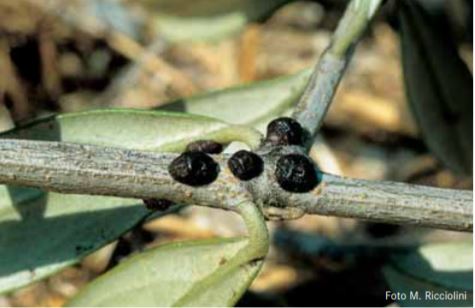
As a gardener, there’s nothing more frustrating than dealing with pests that can decimate your crops. The Mediterranean fungus beetle, also known as the Saissetia oleae, is one such pest that can wreak havoc on olive and citrus trees in Italy.
What is the Mediterranean Fungus Beetle?
This insect belongs to the coccid family and gets its name from its oval-shaped body and coloration, which ranges from yellow to black. The female beetles have a distinctive double cross-shaped mark on their dorsal side, while the larvae are yellowish-green and mobile. The males are difficult to spot due to their elusive nature.
How Does the Mediterranean Fungus Beetle Affect Olive and Citrus Trees?
The beetle primarily targets olive trees (Olea europaea) and citrus trees (Citrus spp.), but it can also infest other plants in its path. The beetles feed on the sap of these trees, causing damage to their leaves, stems, and trunks. This can lead to reduced yields, stunted growth, and increased susceptibility to disease.
The Impact of the Mediterranean Fungus Beetle
The beetle’s impact on olive and citrus trees is significant. The sap-sucking activity can weaken the tree’s immune system, making it more vulnerable to other pests and diseases. Additionally, the beetles’ waste products, such as honeydew, can attract other pests like aphids and fumigines.
Prevention and Control Methods
While there are no foolproof methods for preventing the Mediterranean fungus beetle entirely, there are several strategies that can help reduce its impact:
- Pruning: Regular pruning of olive and citrus trees can help prevent the beetle’s infestation by removing host plants and reducing humidity.
- Cultivation practices: Planting beetle-resistant varieties, maintaining good soil health, and using integrated pest management (IPM) techniques can also help reduce the beetle’s population.
Biological Control Methods
Biological control methods offer a more sustainable approach to managing the Mediterranean fungus beetle:
- Parasitoids: Introducing parasitic wasps like Metaphycus bartletti, which prey on the beetle, can be an effective way to control its population.
- Predatory insects: Encouraging natural predators like ladybugs and lacewings, which feed on the beetle’s larvae, can also help reduce its numbers.
Chemical Control Methods
While chemical control methods are often necessary, they should be used judiciously due to their potential impact on non-target species:
- Neem oil: Neem oil is a natural insecticide that can be used to control the Mediterranean fungus beetle.
- Soap-based products: Soap-based products, such as Marsiglia soap or potash soap, can also help control the beetle.
Conclusion
The Mediterranean fungus beetle is a significant pest of olive and citrus trees in Italy. While there are no foolproof methods for preventing its infestation entirely, various strategies can be employed to reduce its impact:
- Pruning: Regular pruning of olive and citrus trees can help prevent the beetle’s infestation by removing host plants and reducing humidity.
- Biological control methods: Introducing parasitoids and predatory insects can be an effective way to control the beetle’s population.
- Chemical control methods: Neem oil and soap-based products can be used to control the beetle, but they should be used judiciously due to their potential impact on non-target species.
Frequently Asked Questions
- Q: How do I prevent the Mediterranean fungus beetle from infesting my olive or citrus trees?
A: Regular pruning of your trees and using integrated pest management (IPM) techniques can help reduce the beetle’s population. - Q: What are some effective biological control methods for managing the Mediterranean fungus beetle?
A: Introducing parasitoids like Metaphycus bartletti, which prey on the beetle, can be an effective way to control its population. - Q: Can I use neem oil to control the Mediterranean fungus beetle?
A: Yes, neem oil is a natural insecticide that can be used to control the beetle. - Q: Are there any other chemical control methods for managing the Mediterranean fungus beetle?
A: Soap-based products, such as Marsiglia soap or potash soap, can also help control the beetle. - Q: How often should I monitor my olive or citrus trees for signs of infestation by the Mediterranean fungus beetle?
A: Regular monitoring is necessary to detect early signs of infestation and take preventative measures.
Management Strategies
To effectively manage the Mediterranean fungus beetle, gardeners must employ a multi-faceted approach. Here are some additional strategies:
- Use of beetle-resistant tree varieties: Planting beetle-resistant olive or citrus trees can help reduce the beetle’s impact.
- Soil improvement techniques: Improving soil health through techniques like composting and mulching can help prevent disease outbreaks and support healthy tree growth.
- Integrated pest management (IPM): Implementing IPM strategies, which involve using a combination of control methods, can help manage the beetle population effectively.
Monitoring for Infestation
Regular monitoring is essential to detect early signs of infestation by the Mediterranean fungus beetle. Here are some common signs to look out for:
- White or yellowish spots on leaves: Small white or yellowish spots on olive or citrus tree leaves may indicate infestation.
- Stunted growth: Infestation can lead to stunted growth, reduced yields, and increased susceptibility to disease.
- Increased sap flow: Infested trees may exhibit increased sap flow, which can be detected by observing the tree’s branches.
Timing of Control Measures
Control measures should be implemented at various stages of the beetle’s life cycle. Here are some specific timing guidelines:
- Larval stage: Implementing biological control methods or introducing parasitoids during the larval stage (2-4 weeks after hatching) can help reduce the beetle population.
- Adult stage: Using chemical control methods like neem oil or soap-based products during the adult stage (6-8 weeks after emergence) can help control infestations.
Long-term Management
To effectively manage the Mediterranean fungus beetle, long-term strategies are necessary. Here are some recommendations:
- Monitor for re-infestation: Regular monitoring is necessary to detect early signs of re-infestation and take preventative measures.
- Maintain integrated pest management (IPM) strategies: Implementing IPM strategies can help manage the beetle population effectively over time.
- Rotate beetle-resistant tree varieties: Rotating beetle-resistant olive or citrus tree varieties can help reduce the risk of infestation.
By understanding the biology and behavior of the Mediterranean fungus beetle, gardeners can implement effective management strategies to reduce its impact on olive and citrus trees.


