
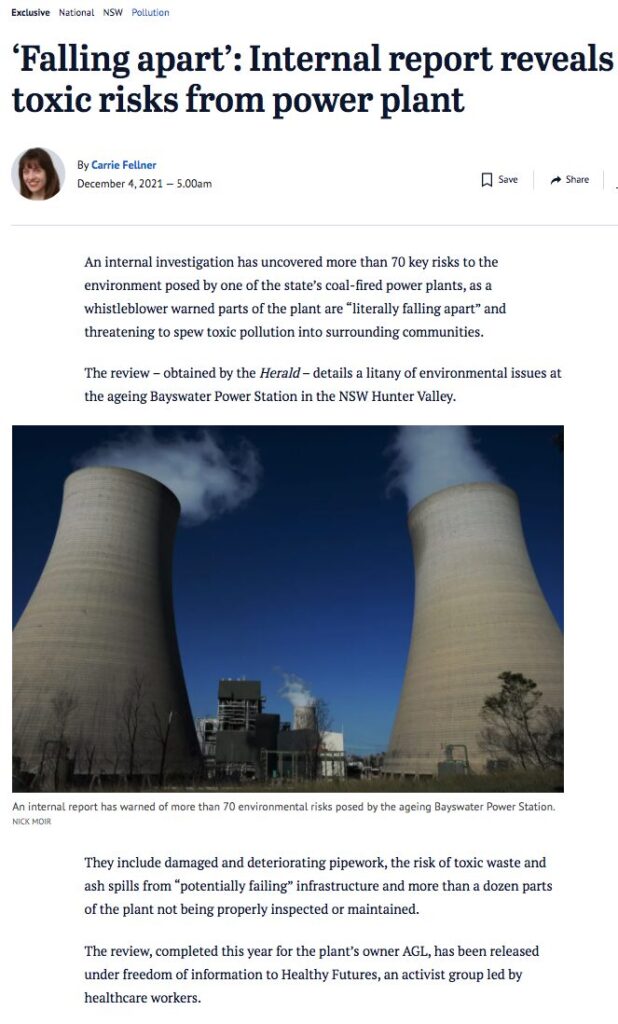
The Collapse of Fossil Fuel Power Plants: A Threat to Workers’ Jobs
The collapse of Italy’s first fossil fuel power plants has sent shockwaves through the country’s workforce, putting thousands of jobs at risk. The closure of these conventional power plants marks a significant shift towards renewable energy sources and green technologies. While environmentalists hail this move as a victory for sustainability, trade unions are growing increasingly concerned about the impact on workers’ livelihoods.
The Consequences of Closing Fossil Fuel Power Plants
As the world grapples with the challenges of climate change and energy security, the fossil fuel power sector is facing unprecedented pressure. The rise of renewable energy sources such as solar and wind power has led to a surplus of energy supply, making it difficult for conventional power plants to remain operational.
The consequences of closing these power plants are far-reaching and devastating for workers who have dedicated their careers to maintaining and operating them. Many of these workers possess specialized skills and training that are highly valued in the industry, but may not be directly applicable to renewable energy sources.
1000 Jobs Under Threat
According to recent estimates, over 1000 jobs are at risk as a result of the closure of fossil fuel power plants. These jobs span across various sectors, including maintenance, operations, and administration. While some workers may choose to transition to new industries or pursue training in emerging fields, many will face significant challenges in adapting to changing job markets.
In Parliament, there is growing debate about the need for concrete action to support workers affected by this transition. Trade unions, which have long been advocates for workers’ rights and social justice, are urging policymakers to take immediate action to mitigate the impact of these closures.
European Union’s Response
The European Commission recently passed a resolution aimed at creating new job opportunities across member countries, including Italy. The resolution emphasizes the need for investments in emerging industries such as renewable energy, IT, and healthcare, which are expected to drive economic growth and create jobs.
Among the sectors targeted by this investment package is green energy, which has emerged as a key driver of sustainable development in Europe. By supporting the transition to clean energy sources, policymakers hope to stimulate innovation, reduce greenhouse gas emissions, and promote economic competitiveness.
Investment Package
As part of an investment package aimed at providing Europe with a new boost to exit the crisis by the end of 2012, there are plans to increase job opportunities in various industries. The package includes funding for research and development, infrastructure investments, and training programs designed to support workers transitioning to emerging sectors.
While these efforts demonstrate a commitment to creating jobs and driving economic growth, critics argue that more needs to be done to address the immediate concerns of workers facing job losses. Trade unions are urging policymakers to prioritize support for affected workers, including provision of retraining programs, career counseling, and financial assistance.
Urgent Meeting Requested
The secretaries general of Filctem-Cgil, Flaei-Cisl, and Uilcem-Uil have written to the Minister of Economic Development, Corrado Passera, requesting an urgent meeting to discuss the 1000 jobs at risk. They express concern over the grave situation unfolding and emphasize the need for policymakers to take immediate action to support workers affected by this transition.
Threats from Unconventional Energy Sources
The conventional power plants are struggling due to a surplus of energy supply and the rise of renewable energy sources such as solar power. If fossil fuel plants need to remain operational for “emergency situations,” they require certainty that their capacity will be compensated. This could involve a thousand jobs, plus all the related industries involved in maintenance.
If policymakers fail to address this challenge, the consequences could be devastating for workers and communities relying on these power plants. In some cases, conversion of existing infrastructure into new uses may be the only viable option for preserving economic activity while minimizing environmental impact.
The Case of Brindisi
Brindisi’s Edipower-owned power plant has been put out of commission by energy crises and the rising popularity of photovoltaics. A plan to convert it into an incinerator for waste is being considered. The local population was already protesting due to air pollution from the old plant; imagine adding an incinerator within city limits! One thing is certain: a well-thought-out plan is needed.
Key Takeaways
• 1000 jobs are at risk as a result of power plant closures
• Flexibility in the workforce and specialized technicians may aid the transition to green energy
• European Union’s resolution targets job creation in various sectors, including renewable energy
• Urgent meeting requested by trade unions to discuss jobs at risk
FAQs
- What is the current situation with fossil fuel power plants?
The collapse of Italy’s first fossil fuel power plants has put numerous jobs at risk due to a surplus of energy supply and the rise of renewable energy sources.
- How can specialized technicians from fossil fuel plants be transferred to new renewable energy facilities?
Specialized technicians could potentially be transferred to new renewable energy facilities, which are eager for skilled labor, using principles of flexibility in the workforce.
- What is the European Union’s response to job losses in the power sector?
The EU has passed a resolution aimed at creating new job opportunities and boosting employment rates across member countries, including Italy.
- Will the closure of fossil fuel power plants lead to an increase in unemployment?
Yes, 1000 jobs are under threat as a result of power plant closures, which could lead to increased unemployment if not addressed.
- What measures can be taken to mitigate job losses and support workers affected by the transition to green energy?
Several measures can be taken to mitigate job losses and support workers affected by the transition to green energy, including provision of retraining programs, career counseling, and financial assistance.
- How will the European Union’s investment package impact job creation in the renewable energy sector?
The EU’s investment package aims to increase job opportunities in various sectors, including renewable energy, which could lead to new job creation.
- What role can trade unions play in supporting workers affected by the transition to green energy?
Trade unions can play a crucial role in supporting workers affected by the transition to green energy by advocating for their rights, providing training and retraining programs, and negotiating with policymakers to ensure fair compensation and support.
- What is the importance of a well-thought-out plan for transitioning from fossil fuels to renewable energy sources?
A well-planned transition from fossil fuels to renewable energy sources is crucial for minimizing job losses and ensuring a smooth transition, as demonstrated by the case of Brindisi’s power plant conversion into an incinerator.


