
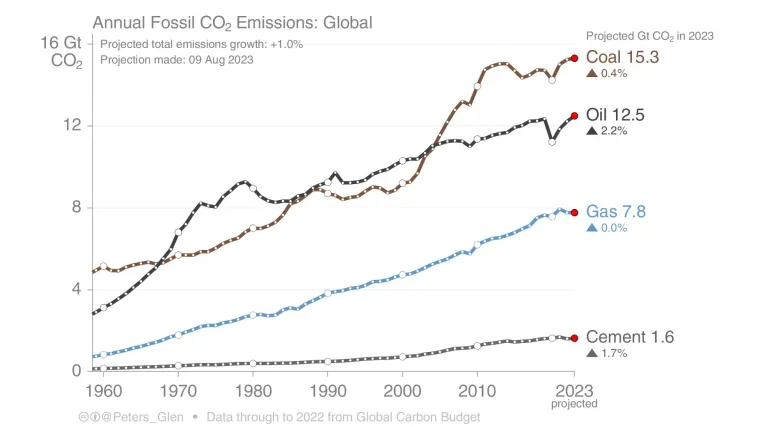
The emission of carbon dioxide, or CO2, is one of the main culprits behind global warming. The greenhouse gas, which also happens to be known as biossido di carbonio in Italian, has been released into the atmosphere through human activities such as burning fossil fuels like oil, coal, and natural gas. Other emissions of CO2 are linked to deforestation and changes in land use.
The scientists at the Mauna Loa Observatory in Hawaii have announced that the levels of CO2 in the atmosphere have reached a critical concentration of nearly 400 parts per million (ppm), putting the world on a perilous path towards catastrophic warming. As Mariagrazia Midulla, climate and energy expert at WWF Italy, warns: “The last time the amount of CO2 in the atmosphere was this high, the world was a whopping 3-4 degrees Celsius warmer and sea levels were up to 5-40 meters higher than they are today.”
We’re now mere steps away from hitting that 400 ppm mark for the first time in human history. The consequences of this rise in CO2 emissions will be felt globally, with devastating effects on ecosystems, biodiversity, and human societies.
The Energy Sector: A Major contributor to CO2 Emissions
A significant portion of these emissions originate from the energy sector, particularly from fossil fuels. If CO2 emissions continue to rise, we can expect to see record-breaking temperatures become the new normal – not just scorching hot but also accompanied by droughts, extreme weather events, and frequent flooding.
“Unless we change course, it will become increasingly difficult to adapt to climate change,” Midulla cautions. To reduce CO2 emissions, we need a fundamental shift towards renewable energy and sustainable mobility. Every technology should be designed with high energy efficiency in mind to drastically cut emissions.
The energy sector is responsible for approximately 65% of global greenhouse gas emissions, with fossil fuels accounting for the majority of these emissions. The use of coal, oil, and natural gas has led to a significant increase in CO2 levels over the past century. In order to mitigate the effects of climate change, we need to transition away from fossil fuels and towards renewable energy sources.
Italy Must Act Now
For Italy, there is an urgent need to take action – not just for the country’s own interests but also to avoid being left behind. “Those who move quickly and implement a swift energy transition will save money and become leaders in the future,” Midulla emphasizes. The new government must listen to scientists and economists who have done their homework, rather than succumbing to outdated lobbies that are condemning Italy and the country itself to becoming ‘dinosaur-like’ energy consumers.
Italy has made significant progress in reducing its greenhouse gas emissions over the past decade, but more needs to be done. In 2019, the Italian government announced plans to increase renewable energy production by 50% by 2030, which is a positive step towards reducing CO2 emissions. However, more needs to be done to ensure that Italy’s energy sector is truly aligned with its climate goals.
The Consequences of Inaction
The consequences of not taking immediate action are stark: the world will continue to warm at an alarming rate, leading to devastating climate-related disasters. The window for action is rapidly closing – we must work together now to avert a catastrophic future.
Climate change is already having far-reaching impacts on ecosystems and human societies around the world. Rising sea levels are threatening coastal communities, while extreme weather events such as heatwaves, droughts, and floods are becoming more frequent and intense. The consequences of climate change will only worsen unless we take immediate action to reduce CO2 emissions.
Renewable Energy and Sustainable Mobility: The Keys to Success
Renewable energy sources like solar and wind power are becoming increasingly cost-competitive with fossil fuels, making them an attractive alternative for reducing CO2 emissions. Similarly, sustainable mobility solutions such as electric vehicles and public transportation can significantly reduce emissions from the transportation sector.
By adopting these technologies and practices, we can create a more sustainable future where human activity is no longer driving the planet towards catastrophe. In Italy, this means investing in renewable energy infrastructure, promoting electric vehicles, and encouraging sustainable transportation options.
The Role of Individual Action
While governments and corporations have a critical role to play in reducing CO2 emissions, individual action is also essential. By making simple changes to our daily habits and lifestyle choices, we can significantly reduce our carbon footprint.
Some examples of individual actions that can make a difference include:
- Using public transportation or carpooling instead of driving
- Switching to renewable energy sources such as solar panels or wind turbines
- Reducing meat consumption and food waste
- Recycling and reducing plastic use
Every small action counts, and collective action by individuals around the world can lead to significant positive change.
Conclusion
The alarming rise of CO2 emissions is a wake-up call for humanity. We must take immediate action to reduce our carbon footprint and transition towards renewable energy and sustainable mobility. The consequences of inaction are too dire to ignore – we owe it to ourselves, future generations, and the planet to act now.
It’s time for individuals, governments, corporations, and international organizations to work together to mitigate the effects of climate change. By taking immediate action, we can reduce CO2 emissions, protect ecosystems, and create a more sustainable future for all.
Frequently Asked Questions (FAQs)
Q: What is CO2 and how does it contribute to global warming?
A: CO2 is a greenhouse gas released into the atmosphere through human activities such as burning fossil fuels. It contributes to global warming by trapping heat in the atmosphere.
Q: How much has CO2 levels risen since the Industrial Revolution, and what are the consequences?
A: CO2 levels have increased from around 280 ppm before industrialization to nearly 400 ppm today. The increased concentration of CO2 is leading to catastrophic climate change.
Q: What role do energy sources play in emissions of CO2?
A: Energy sources such as fossil fuels are major contributors to CO2 emissions, and their continued use will drive global warming.
Q: How can we reduce CO2 emissions from the transportation sector?
A: We can do this by adopting sustainable mobility solutions like electric vehicles and public transportation.
Q: What is the significance of 400 ppm in terms of climate change?
A: Reaching 400 ppm is a critical threshold that could lead to catastrophic climate-related disasters if we fail to take action.
Q: Can we still avoid severe climate change if we reduce emissions from energy sources alone?
A: No, reducing emissions from energy sources alone will not be enough to mitigate the effects of global warming. We need to adopt comprehensive solutions including sustainable mobility and land use changes.
Q: What is WWF Italy’s stance on CO2 emissions and climate change?
A: WWF Italy emphasizes the urgent need for a fundamental shift towards renewable energy and sustainable mobility to reduce CO2 emissions and avoid catastrophic climate-related disasters.
Q: How can individuals contribute to reducing CO2 emissions from their daily lives?
A: We can do this by adopting simple habits such as using public transportation, carpooling, or switching to renewable energy sources like solar panels.


