
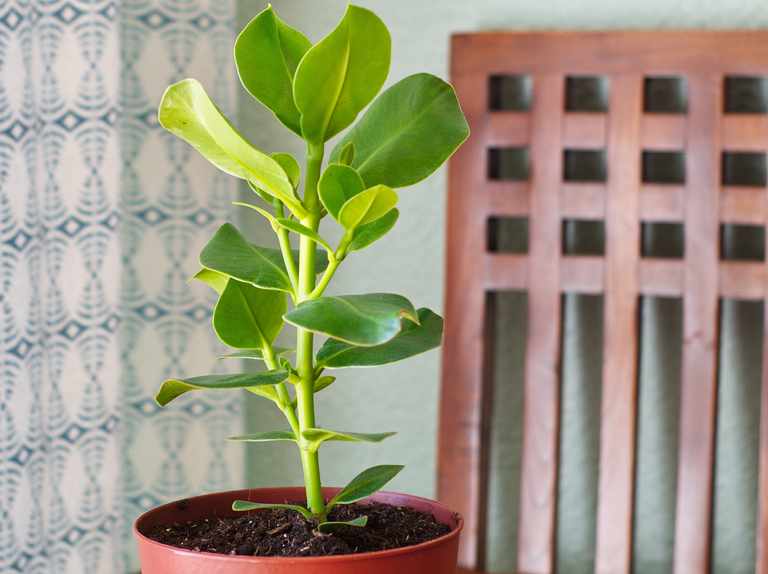
Are you looking for a low-maintenance, yet stunningly beautiful plant to add to your indoor space? Look no further than the clusia rosea. This tropical plant is native to the Caribbean and South American regions, known for its unique shape, vibrant green leaves, and exquisite white flowers. In this article, we will delve into the world of clusia rosea, exploring its characteristics, cultivation methods, and care requirements.
Introduction
The clusia rosea, also known as the Clusia plant or White Trumpet vine, is a popular choice among indoor gardeners due to its versatility and adaptability. This evergreen shrub-like plant can grow up to 10 feet tall and wide, making it an ideal addition to any room with sufficient light and space.
Characteristics and Growing Conditions
The clusia rosea is a slow-growing, yet incredibly resilient plant that thrives in warm temperatures between 17°C to 25°C (63°F to 77°F). It prefers high humidity and indirect sunlight, making it an ideal choice for indoor spaces with low direct sunlight. However, be cautious not to place the plant near drafts or air conditioning vents.
Some key characteristics of the clusia rosea include:
- Leaves: The plant has dark green, glossy leaves that are elliptical in shape and measure up to 4 inches long.
- Flowers: Clusia rosea produces white, trumpet-shaped flowers that bloom in clusters during the summer months. These flowers can reach up to 2 inches long and are highly fragrant.
- Stem: The stem of the plant is woody and sturdy, making it easy to prune and train.
Cultivating Clusia Rosea
To keep your clusia rosea happy and thriving, follow these simple steps:
- Pruning: Prune the plant regularly to maintain its shape and encourage healthy growth. Use pruning shears or loppers to cut back long stems and remove any dead or damaged leaves.
- Soil: Use a well-draining potting mix specifically designed for tropical plants. Avoid using regular potting soil, as it can retain too much water and cause root rot.
- Watering: Water the plant sparingly, allowing the soil to dry out completely between waterings. Overwatering is a common mistake that can lead to root rot and other problems.
- Lighting: Provide indirect sunlight for your clusia rosea. Direct sunlight can cause the leaves to become scorched and discolored.
Fertilization and Repotting
To promote healthy growth and flowering, fertilize your clusia rosea with a balanced fertilizer. Avoid over-fertilizing, as this can lead to weak and leggy growth.
- Repotting: Repot the plant every 2-3 years in the spring, using a slightly larger pot and fresh potting mix.
- Fertilization: Fertilize your clusia rosea once a month during the growing season (spring and summer) with a balanced fertilizer.
Propagation
You can propagate your clusia rosea through stem cuttings or seeds. Take 10 cm long stem cuttings with at least two nodes, remove lower leaves, and plant them in a moist medium until roots develop.
- Stem Cuttings: Take 15-20 cm long stem cuttings from the top of the plant, removing any leaves below the node.
- Seeds: Sow seeds on the surface of a well-draining seed mix, keeping them consistently moist and warm.
Common Problems
Be aware of the following common problems that can affect your clusia rosea:
- Pests: Check for pests like mealybugs, spider mites, and scale.
- Diseases: Regularly inspect the plant for signs of disease, such as yellowing leaves or black spots.
Conclusion
The clusia rosea is a stunning, low-maintenance plant that can add beauty and serenity to your indoor space. With proper care and attention, this tropical plant will thrive and provide you with years of enjoyment.
Here are some FAQs about the clusia rosea:
- Q: How often should I water my clusia rosea?
A: Water your clusia rosea sparingly, allowing the soil to dry out completely between waterings. - Q: Can I grow my clusia rosea outdoors?
A: No, it’s not recommended to grow your clusia rosea outdoors due to extreme temperatures and humidity levels. - Q: How often should I fertilize my clusia rosea?
A: Fertilize your clusia rosea once a month during the growing season (spring and summer) with a balanced fertilizer. - Q: Can I propagate my clusia rosea using seeds?
A: Yes, you can propagate your clusia rosea using seeds. Sow seeds on the surface of a well-draining seed mix, keeping them consistently moist and warm.
Benefits of Clusia Rosea
The clusia rosea offers several benefits for indoor gardeners:
- Low Maintenance: The clusia rosea is extremely easy to care for, making it an ideal choice for busy people or those new to indoor gardening.
- Air Purification: The plant helps to purify the air by removing harmful pollutants and toxins.
- Stress Relief: Being around plants like the clusia rosea can help reduce stress and anxiety levels.
By following these simple care tips and understanding the unique characteristics of the clusia rosea, you can enjoy this beautiful tropical plant in your home for years to come.


