
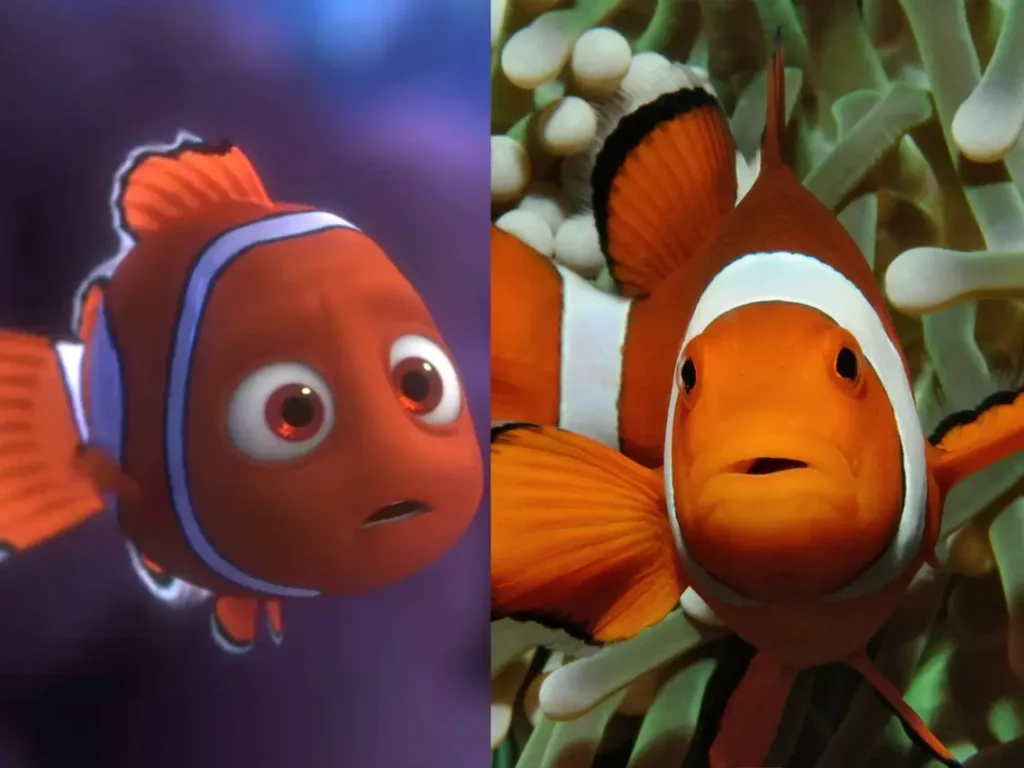
As one of the most popular and sought-after fish species for marine aquariums, the clownfish has captured the hearts of many aquarists. With its vibrant orange and white stripes, it’s no wonder why this little fish has become an iconic symbol of friendship and companionship. In this article, we’ll delve into the world of clownfish, exploring their habits, habitat, and care requirements, as well as provide expert tips on how to keep them thriving in your marine aquarium.
What is a Clownfish?
The clownfish, also known as Amphiprion ocellaris, is a species of fish that belongs to the Perciformes order. Native to the warm waters of the Pacific and Indian Oceans, they inhabit coral reefs and are often found in symbiotic relationships with sea anemones.
Characteristics and Behavior
One of the most distinctive features of clownfish is their territorial behavior. They are known to be fiercely protective of their territory and can become aggressive towards other fish that enter their domain. However, experienced aquarists have reported that some individuals can become quite docile and interactive once they become accustomed to their surroundings.
Care Requirements
To provide the best possible care for your clownfish, you’ll need to create an environment that mimics its natural habitat. Here are some key requirements:
- Water Parameters: Maintain a temperature range of 72°F to 82°F (22°C to 28°C), with pH levels between 8.1 and 8.4.
- Housing: Provide a spacious tank with plenty of hiding places, such as live rock, anemones, and coral formations.
- Diet: Feed your clownfish a varied diet that includes brine shrimp, mysis shrimp, and high-quality commercial pellets.
- Tankmates: Be cautious when introducing tankmates, as some species may not get along with the territorial clownfish.
Choosing the Right Anemone
When selecting an anemone for your clownfish, it’s essential to choose a species that is compatible with their needs. Some popular options include:
- Heteractis magnifica
- Stichodactyla gigantea
- Stichodactyla mertensii
Reproduction and Sexing
Clownfish are capable of reproducing in captivity, but it can be a challenging process. To increase the chances of successful breeding, provide a suitable environment with plenty of hiding places and a varied diet.
In addition to understanding their reproduction cycle, it’s also important to recognize the sex differences between clownfish. Clownfish are sequential hermaphrodites, meaning that they start as males and can switch to females if one of the dominant individuals dies or is removed from the tank.
Sexing Clownfish:
- Male Clownfish: Typically have bright orange stripes with a yellowish tint.
- Female Clownfish: Have a more muted coloration, often with darker stripes and a more rounded body shape.
Rearing Success Rates:
Success rates for breeding clownfish can vary greatly depending on the individual fish and the environment. However, here are some general guidelines:
- First Breeding Attempt: 10-30% success rate
- Second Breeding Attempt: 20-50% success rate
Frequently Asked Questions:
- Can I keep multiple clownfish together?
- While it’s possible to keep multiple clownfish in the same tank, it’s essential to ensure that there are sufficient hiding places and territories for each individual.
- How often should I feed my clownfish?
- Feed your clownfish 2-3 times a day, only as much as they can consume within a few minutes.
- What is the average lifespan of a clownfish?
- In captivity, clownfish can live for up to 10 years with proper care and maintenance.
By following these guidelines and providing the necessary care and attention, you can create a happy and healthy environment for your clownfish to thrive in. With patience, persistence, and a willingness to learn, you can increase the chances of successful breeding and enjoy the rewarding experience of raising these fascinating creatures.
Tips for Creating a Harmonious Clownfish Tank:
- Provide plenty of hiding places: Include live rock, anemones, and coral formations to create a sense of security and reduce stress.
- Introduce tankmates gradually: Start with peaceful, small species that won’t compete with the clownfish for food or space.
- Monitor water parameters: Regularly test pH, ammonia, nitrite, and nitrate levels to ensure a healthy environment.
By following these expert tips and guidelines, you can create a thriving marine aquarium that showcases the beauty and charisma of your clownfish.


