
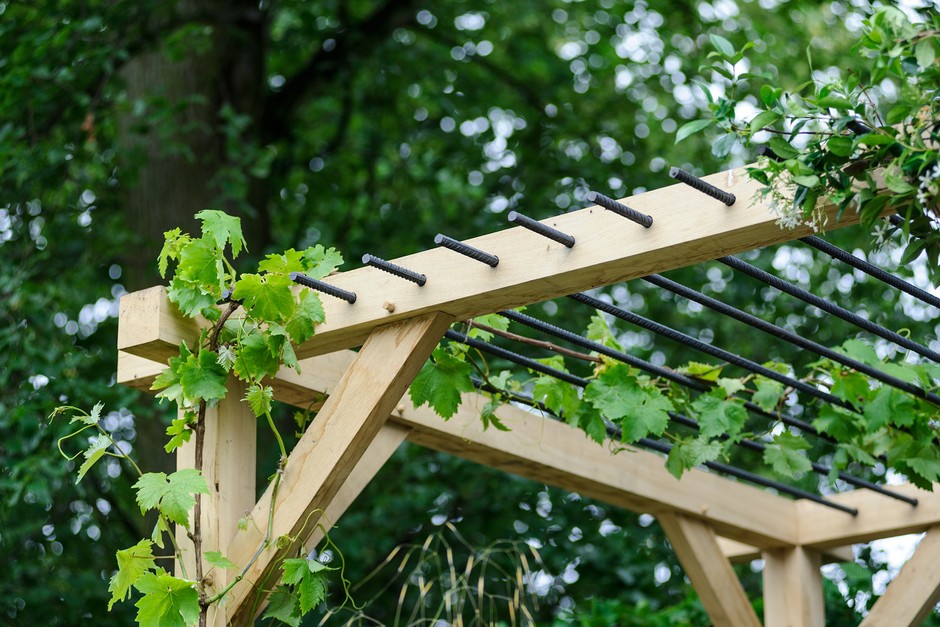
As we step into the warm sunlight of a spring morning, our gaze falls upon the beautiful structures that adorn our gardens and patios – pergolas. These wooden or metal frameworks are designed to provide shade and shelter from the elements, but they often leave us wondering how to add some greenery to their bare spaces. Enter rampicants, the perfect solution for covering your pergola with a lush layer of foliage.
But which plants should you choose, and how do you plant them? In this article, we’ll delve into the world of rampicants and explore the best options for your pergola.
Choosing the Right Rampicants
When it comes to selecting the right rampicant for your pergola, there are many factors to consider. Some plants are better suited for full sun, while others prefer partial shade or even complete darkness. The type of soil you have and the amount of maintenance you’re willing to provide will also play a significant role in choosing the perfect plant.
Here are five popular rampicant options that are sure to impress:
- Bougainvillea: This tropical plant is known for its vibrant pink, purple, or white flowers that cascade down the sides of your pergola like a waterfall.
- Lonicera caprifolium (Honeysuckle): With its abundant flowers and intoxicating scent, honeysuckle is a popular choice for covering pergolas.
- Wisteria sinensis (Chinese Wisteria): This flowering vine is known for its delicate purple blooms that appear in late spring and early summer.
- Gelsomino: If you’re looking for a plant with fragrant flowers, gelsomino is an excellent choice. Its blooms are particularly popular in the months of April and June.
- Stephanotis: This exotic plant produces delicate white flowers that cascade down the sides of your pergola like a misty veil.
How to Plant Rampicants
Before we dive into the best plants for your pergola, let’s cover the basics of planting rampicants. Here are some tips to keep in mind:
- Make sure to choose plants that are suitable for your climate and soil type.
- Plant your rampicant in a location that receives adequate sunlight (at least 4-6 hours of direct sun per day).
- Use a well-draining potting mix and water regularly, but avoid overwatering.
Step-by-Step Guide to Planting Rampicants
Here’s a step-by-step guide on how to plant your rampicant:
- Select the right location: Choose a spot that receives adequate sunlight and has good air circulation.
- Prepare the soil: Add organic matter like compost or manure to improve drainage and fertility.
- Plant the rampicant: Dig a hole that’s twice as wide and just as deep as the plant’s root system. Gently remove the plant from its pot and place it in the hole.
- Secure the plant: Use a soft tie or twine to secure the plant to the pergola post.
- Water thoroughly: Water your rampicant thoroughly, making sure the soil is moist but not waterlogged.
Additional Tips for Planting Rampicants
Here are some additional tips to keep in mind when planting rampicants:
- Avoid planting rampicants too close together, as this can lead to competition for resources.
- Make sure to prune your rampicant regularly to encourage healthy growth and prevent overgrowth.
- Use a trellis or other support system to help train the plant’s tendrils.
Choosing the Right Location
When choosing a location for your rampicant, there are several factors to consider. Here are some tips to keep in mind:
- Sunlight: Make sure the spot receives adequate sunlight (at least 4-6 hours of direct sun per day).
- Soil: Choose a spot with good drainage and fertile soil.
- Wind: Avoid planting your rampicant near areas where strong winds may be a problem.
Soil Requirements
When it comes to soil requirements, there are several things to keep in mind:
- Drainage: Make sure the soil drains well to prevent waterlogged roots.
- Fertility: Choose a spot with fertile soil that’s rich in nutrients.
- pH: Most rampicants prefer a slightly acidic to neutral pH (around 6.0-7.0).
Pruning and Maintenance
Regular pruning and maintenance are essential for keeping your rampicant healthy and thriving. Here are some tips to keep in mind:
- Prune regularly: Prune your rampicant regularly to encourage healthy growth and prevent overgrowth.
- Remove dead flowers: Remove any dead or dying flowers to prevent the spread of disease.
- Fertilize regularly: Fertilize your rampicant regularly to promote healthy growth.
Common Problems with Rampicants
While rampicants can be a beautiful addition to your garden, they’re not immune to problems. Here are some common issues that may arise:
- Pests: Watch out for pests like aphids, whiteflies, and spider mites.
- Diseases: Keep an eye out for diseases like powdery mildew and root rot.
- Overgrowth: Prune your rampicant regularly to prevent overgrowth.
Conclusion
Rampicants are a great way to add some greenery to your pergola, but choosing the right plants and planting them correctly is crucial. With these tips and recommendations, you’ll be well on your way to creating a lush and vibrant oasis in your own backyard.
Frequently Asked Questions (FAQs)
- What are the best rampicants for my climate?
Choose plants that are suitable for your local climate and soil type. Consult with a gardening expert or do some research online to find the perfect plant for your area.
2. How often should I water my rampicant?
Water your rampicant regularly, but avoid overwatering. Check the soil moisture by sticking your finger into the soil up to the first knuckle. If it feels dry, it’s time to water!
3. Can I plant a rampicant in a pot?
Yes, you can plant a rampicant in a pot! Just make sure to choose a large enough container and use a well-draining potting mix.
4. How do I prune my rampicant?
Prune your rampicant regularly to encourage healthy growth and prevent overgrowth. Use scissors or pruning shears to cut back any leggy stems or dead branches.
5. Can I plant multiple rampicants together?
Yes, you can plant multiple rampicants together! Just make sure to choose plants that are compatible with each other in terms of sunlight, water requirements, and soil type.
6. How often should I fertilize my rampicant?
Fertilize your rampicant regularly to promote healthy growth. Use a balanced fertilizer that’s specifically designed for outdoor use.
7. Can I plant a rampicant near a patio or deck?
Yes, you can plant a rampicant near a patio or deck! Just make sure to choose a plant that’s suitable for the area and won’t cause any problems with furniture or other items.
Additional Resources
If you’re looking for more information on rampicants or want to learn how to care for your newly planted rampicant, here are some additional resources:
- Gardening books: Check out gardening books from your local library or purchase one that focuses on pergolas and rampicants.
- Online forums: Join online forums like Reddit’s r/gardening or Gardening Forum to connect with other gardeners and get advice on caring for your rampicant.
- Local nurseries: Visit local nurseries or gardening stores to learn more about the specific plants you’re interested in and get advice from experts.
By following these tips and recommendations, you’ll be well on your way to creating a beautiful and thriving pergola garden. Happy planting!


