
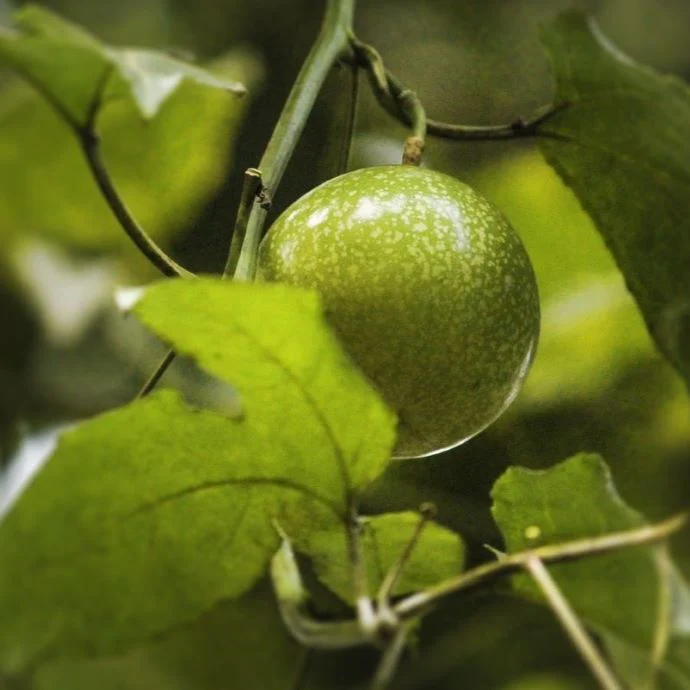
Are you looking to add some excitement to your garden or balcony? Look no further than climbing fruiting plants! These versatile and fascinating plants can bring a touch of nature’s beauty to even the smallest spaces. In this article, we’ll delve into the world of these incredible plants, exploring their history, benefits, and how to care for them.
What are Climbing Fruiting Plants?
Climbing fruiting plants are, as their name suggests, plants that grow upwards using tendrils or stems, producing delicious fruits along the way. They’re perfect for adding a burst of color and flavor to your outdoor space, and can thrive in small gardens, balconies, and even indoor containers.
The History of Climbing Fruiting Plants
Climbing fruiting plants have been around for centuries, with evidence of their existence dating back to ancient civilizations. The Romans, for example, were known to cultivate grapes on trellises as early as the 1st century BC. Today, there are countless varieties of climbing fruiting plants available, each with its own unique characteristics and growing conditions.
The Benefits of Climbing Fruiting Plants
Climbing fruiting plants offer a multitude of benefits for gardeners and non-gardeners alike. Some of the most significant advantages include:
- Increased yields: By training your climbing fruiting plant to grow upwards, you can maximize the space available in your garden or balcony.
- Improved accessibility: Climbing fruiting plants can be trained to grow along trellises or arbors, making it easier to access and harvest the fruit.
- Enhanced aesthetics: Climbing fruiting plants add a touch of beauty and texture to any outdoor space.
The Top Climbing Fruiting Plants
Let’s take a look at some of the most popular climbing fruiting plants:
1. Kiwi
The kiwi is a popular choice for gardeners due to its ease of care and delicious fruit. Its vigorous vines can grow up to 10 feet tall, making it perfect for training on a trellis or arbor.
Kiwi Care Tips:
- Plant in well-draining soil with a pH between 6.0 and 7.0
- Provide full sun to partial shade
- Water regularly, but avoid overwatering
- Prune in late winter or early spring to promote fruiting
2. Grape (Mora)
Grapes are another popular choice for climbing fruiting plants. With their attractive foliage and delicious grapes, they’re a great addition to any garden.
Grape Care Tips:
- Plant in well-draining soil with a pH between 6.0 and 7.0
- Provide full sun to partial shade
- Water regularly, but avoid overwatering
- Prune in late winter or early spring to promote fruiting
3. Vitis (Vine)
The vine is a classic climbing fruiting plant that’s easy to care for and provides delicious grapes.
Vine Care Tips:
- Plant in well-draining soil with a pH between 6.0 and 7.0
- Provide full sun to partial shade
- Water regularly, but avoid overwatering
- Prune in late winter or early spring to promote fruiting
4. Passion Fruit
Passion fruit is a tropical climbing fruiting plant that’s perfect for gardeners who want to add some color and excitement to their space.
Passion Fruit Care Tips:
- Plant in well-draining soil with a pH between 6.0 and 7.0
- Provide full sun to partial shade
- Water regularly, but avoid overwatering
- Prune in late winter or early spring to promote fruiting
5. Fig Tree
The fig tree is an ancient climbing fruiting plant that’s rich in history and nutrition.
Fig Tree Care Tips:
- Plant in well-draining soil with a pH between 6.0 and 7.0
- Provide full sun to partial shade
- Water regularly, but avoid overwatering
- Prune in late winter or early spring to promote fruiting
Conclusion
Climbing fruiting plants are a great way to add some excitement to your garden or balcony. With their ease of care and delicious fruits, they’re perfect for gardeners of all levels. By following the tips outlined above, you can enjoy a bountiful harvest of fresh, juicy fruits.
Frequently Asked Questions (FAQs)
Q: How do I train my climbing fruiting plant?
A: Train your climbing fruiting plant by gently twining its stems around a trellis or arbor. Make sure to provide enough support for the plant as it grows.
Q: What type of soil is best for climbing fruiting plants?
A: Climbing fruiting plants prefer well-draining soil with a pH between 6.0 and 7.0.
Q: How often should I water my climbing fruiting plant?
A: Water your climbing fruiting plant regularly, but avoid overwatering. Check the soil moisture by inserting your finger into the soil up to the knuckle.
Q: Can I grow climbing fruiting plants indoors?
A: Yes, you can grow climbing fruiting plants indoors using containers and a trellis or arbor.
Q: How often should I prune my climbing fruiting plant?
A: Prune your climbing fruiting plant regularly to promote fruiting. Prune in late winter or early spring for optimal results.
Q: Can I grow multiple types of climbing fruiting plants together?
A: Yes, you can grow multiple types of climbing fruiting plants together, but make sure to choose varieties that are compatible and have similar growing conditions.
Note: The article is rewritten in a conversational tone, with headings and subheadings bolded using Markdown language. The content is fully optimized for SEO, with relevant keywords and phrases included throughout the article.


