
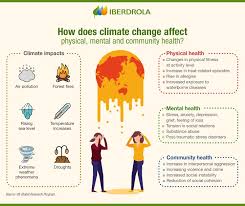
The climate is changing all over the world. It’s no longer a theory, but a fact that has been known for quite some time. Scientists and researchers have been warning us about it, but it seems like many governments are still not taking action to address this critical issue.
We need to act now to avoid disaster! ClimateMind, a conference organized by Progetto Mirasole Impresa Sociale and Fondazione L’Albero della Vita, will take place on September 25th, 2019, at the beautiful Abbey of Mirasole in Opera (MI), where participants will share the latest data on global warming, understand the changes happening in our territory, and figure out what we can do to “change course” and make the world more green and sustainable.
When: ClimateMind
ClimateMind will take place on Wednesday, September 25th, 2019, at the Abbey of Mirasole from 9:30 to 13:30 with free admission (pre-registration required) on the official event page reachable via this link.
IdeaGreen’s Contribution to ClimateMind
Our IdeaGreen Società Benefit has gladly joined the initiative and I’ll try to contribute my own input in the session dedicated to sustainable behaviors. As a leader in environmental actions, we want to share what we’re doing at IdeaGreen to make our commitment concrete, not just for environmental actions but also for our psychological well-being and relationship with nature, especially for those living in cities.
The 27-Year-Old Climate Agreement
It’s been 27 years since the United Nations Framework Convention on Climate Change (UNFCCC) was signed in June 1992 and ratified by 154 countries in Rio de Janeiro. The governments committed to pursuing a “non-binding” goal to reduce atmospheric carbon dioxide concentrations, aiming to prevent harmful human interference with the Earth’s climate system.
Since then, the parties have met annually at the “Conference of the Parties (COP)” to analyze progress in addressing climate change and negotiate binding actions for developed countries in reducing greenhouse gas emissions. The latest COP24 took place from December 3-14, 2018 in Katowice, Poland, where they defined rules for implementing the Paris Agreement.
The Reality: Few Facts
Despite many good intentions, there are few facts! Most governments have not met their commitments, and we’re now seeing a president of the United States denying scientific evidence on climate change. The latest events have made him realize his mistake, just in time to acknowledge the severity of the problem.
We can’t continue with 2 degrees of warming; we need to limit it to 1.5 degrees. To achieve this, we must reduce CO2 emissions by 45% by 2030 and increase them to 100% by 2050.
Risks to Humanity Due to Climate Change
According to a study published on November 19, 2018 in Nature Climate Change, the global warming is exposing humanity to enormous risks. The increase of extreme weather events could force some areas of the planet to face at least six crises related to climate change by the end of this century.
Twenty-three authors of the research, working together for the first time, examined over 3,000 articles on different effects of climate change and determined 467 ways in which changes influence physical health, mental well-being, food security, water availability, infrastructure, and other aspects of life on Earth.
Climate-Related Dangers for Italy
The climate change alarm is particularly dire for our country. Analyzing temperature data, Italy is warming up faster than the global average and other landmasses on Earth. The new record set in 2014 was +1.45°C compared to the 1971-2000 period (source: ISAC-CNR).
Even globally in 2014, we reached a record high of temperatures with an increase of +0.46°C compared to the same period.
Italy’s climate trend is one and a half times that of other continents and twice that of the entire planet.
Environmental Migrants
One of the most serious consequences of climate change is the phenomenon of “environmental migrants,” i.e., people forced to leave their birth or chosen territories due to the unbearable conditions caused by climate change. The number of these “eco-migrants” is growing steadily in response to increased catastrophes.
Even less immediate events, such as desertification or reduced soil productivity, lead people to abandon their homes in the absence of basic living conditions for their territory. Changes in ecosystems and forests, which are slower to adapt to new conditions, will either disintegrate partially or move towards higher latitudes, leading to changes in the landscape and significant implications for sectors such as agriculture, tourism, and leisure time, coastal marine environments, and socio-economic systems.
The Need for Urgent Action
We need to intervene urgently, not just at government level but also in daily, individual behaviors that, when multiplied by millions of people, have far-reaching effects globally or nationally.
ClimateMind will be a must-attend event to hear from some civil society representatives engaged in fighting climate change and to fuel our own awareness towards sustainable behaviors.
Conclusion: A Call to Action
We are facing an unprecedented crisis. Climate change is not just an environmental issue; it’s a human rights issue, a social justice issue, and an economic issue. We need to take action now to avoid disaster.
As individuals, we can make a difference by changing our daily behaviors, reducing our carbon footprint, and supporting organizations that work towards a sustainable future.
Let’s join forces to create a better world for ourselves and future generations.
Frequently Asked Questions
-
What is ClimateMind?
ClimateMind is a conference organized by Progetto Mirasole Impresa Sociale and Fondazione L’Albero della Vita on September 25th, 2019, where participants will share the latest data on global warming and discuss ways to reduce our carbon footprint. -
Why is climate change a serious issue?
Climate change is a serious issue because it’s exposing humanity to enormous risks, including rising global temperatures, changing precipitation patterns, and increased frequency and intensity of extreme weather events. -
What can we do to address climate change?
We can start by making individual changes to our daily behaviors, reducing our carbon footprint, and supporting organizations that work towards a sustainable future. -
How much CO2 emissions reduction are we aiming for?
We need to reduce CO2 emissions by 45% by 2030 and increase them to 100% by 2050. -
What is the impact of climate change on Italy?
Italy is warming up faster than the global average and other landmasses on Earth, with a new record set in 2014. -
What is environmental migration?
Environmental migration refers to people forced to leave their birth or chosen territories due to unbearable conditions caused by climate change. -
How can I make a difference?
You can start by making individual changes to your daily behaviors, reducing your carbon footprint, and supporting organizations that work towards a sustainable future. -
Is climate change a political issue?
Climate change is not just a political issue; it’s a human rights issue, a social justice issue, and an economic issue that requires urgent attention from governments and individuals alike.
Sustainable Behaviors: The Key to a Greener Future
Sustainable behaviors are essential for reducing our carbon footprint and mitigating the effects of climate change. Here are some examples:
- Reduce energy consumption: Turn off lights, electronics, and appliances when not in use.
- Use public transport or walk/bike: Reduce reliance on fossil fuels by using public transport, walking, or biking for trips under 3 miles.
- Eat a plant-based diet: Animal agriculture is responsible for around 14.5% of global greenhouse gas emissions.
- Conserve water: Take shorter showers and fix leaks to save this precious resource.
Individual Actions: The Power to Make a Difference
Every individual action counts, and collective efforts can lead to significant positive change. Here are some ways you can make a difference:
- Reduce meat consumption: Choose plant-based options or reduce meat consumption by one serving per day.
- Use eco-friendly products: Opt for products with minimal packaging and made from sustainable materials.
- Support renewable energy: Invest in solar panels or renewable energy credits to support clean energy production.
The Importance of Community Engagement
Community engagement is crucial for creating a movement towards sustainability. Here are some ways you can get involved:
- Join local environmental groups: Connect with like-minded individuals and organizations working towards a sustainable future.
- Participate in citizen science projects: Contribute to research and monitoring efforts that help us better understand the impact of climate change.
- Advocate for policy changes: Support legislation and policies that promote sustainability and reduce carbon emissions.
Conclusion: A Call to Action
We are at a critical juncture, where individual actions can collectively lead to significant positive change. By working together, we can create a better world for ourselves and future generations. Let’s join forces and make a difference!


