
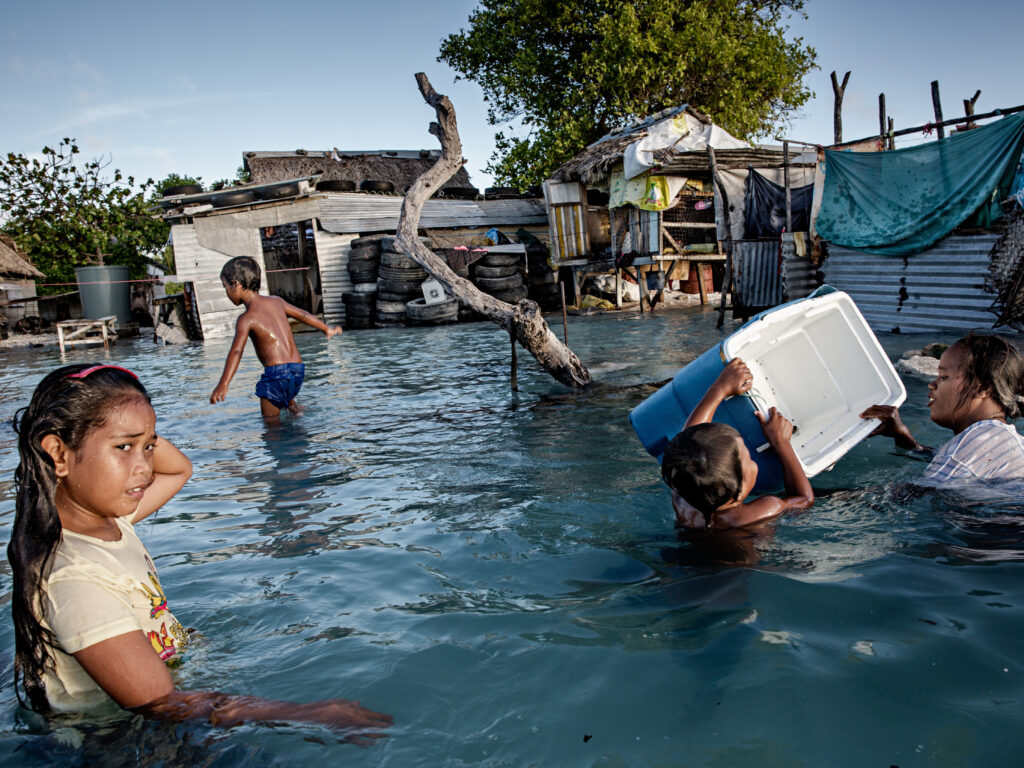
As the world grapples with the challenges of climate change, a growing number of people are being forced to flee their homes due to environmental degradation and extreme weather events. This phenomenon has been dubbed “climate refugees” or “environmental refugees,” and it is essential to understand its causes, consequences, and implications.
What are Climate Refugees?
In the most general sense, climate refugees are individuals who have been forced to leave their traditional habitats due to environmental degradation or changes in the climate. This can include people who are struggling to find food, water, shelter, and other basic necessities in areas that are becoming increasingly inhospitable.
The concept of climate refugees is closely tied to the idea of environmental refugees, which refers to individuals who have been displaced by natural disasters such as hurricanes, droughts, and floods. However, whereas traditional refugees are typically forced to flee due to conflict or persecution, climate refugees are often driven out by environmental factors that are beyond their control.
The Causes of Climate Refugees
There are several factors that contribute to the growing number of climate refugees:
- Climate Change: Rising temperatures, changing precipitation patterns, and increased frequency of extreme weather events are all contributing to environmental degradation and displacement.
- Deforestation: The clearance of forests for agriculture, urbanization, and other purposes is leading to soil erosion, loss of biodiversity, and decreased water quality.
- Water Scarcity: Changes in rainfall patterns and increased evaporation due to warmer temperatures are leading to droughts and water scarcity in many parts of the world.
The Consequences of Climate Refugees
Climate refugees face numerous challenges as they seek to find new homes:
- Food Security: Climate refugees often struggle to access food, water, and other essential resources.
- Shelter: Many climate refugees are forced to live in temporary or informal settlements, which can be vulnerable to natural disasters and other hazards.
- Health: Climate change is also linked to an increased risk of heat-related illnesses, respiratory problems, and other health issues.
The Global Response
The international community has begun to take notice of the climate refugee crisis, with many organizations and governments calling for greater support and protection for those affected:
- UNHCR: The United Nations High Commissioner for Refugees (UNHCR) is working closely with governments, NGOs, and other partners to provide assistance to climate refugees.
- Climate Change Adaptation: Many countries are implementing climate change adaptation measures, such as sea walls, green infrastructure, and early warning systems, to help protect communities from the impacts of climate change.
The Future of Climate Refugees
As the world continues to grapple with the challenges of climate change, it is essential to prioritize the needs and rights of climate refugees:
- Climate Justice: Climate justice advocates are calling for greater recognition and protection for climate refugees, as well as an end to the root causes of environmental degradation.
- International Cooperation: International cooperation is critical in addressing the global impacts of climate change, including the displacement of people.
The climate refugee crisis is a pressing issue that requires immediate attention and action. By understanding its causes, consequences, and implications, we can work towards creating a more just and equitable world for all.
Frequently Asked Questions
- What is the definition of climate refugees?
Climate refugees are individuals who have been forced to leave their traditional habitats due to environmental degradation or changes in the climate. - How many people are climate refugees?
The exact number of climate refugees is difficult to determine, but it is estimated that tens of millions of people will be displaced by 2050 due to the impacts of climate change. - What are some of the challenges faced by climate refugees?
Climate refugees often struggle with access to food, water, shelter, and other essential resources. - How can we support climate refugees?
Supporting climate refugees requires a multifaceted approach that includes providing assistance, advocating for their rights, and addressing the root causes of environmental degradation. - What is the international response to climate refugees?
The international community has begun to take notice of the climate refugee crisis, with many organizations and governments calling for greater support and protection for those affected.
The Role of Technology in Addressing Climate Refugees
Technology can play a critical role in addressing the challenges faced by climate refugees:
- Early Warning Systems: Advanced weather forecasting systems can help communities prepare for natural disasters, reducing the risk of displacement.
- Renewable Energy: Transitioning to renewable energy sources can help reduce greenhouse gas emissions and mitigate the impacts of climate change.
- Disaster Response: Technology-enabled disaster response systems can help responders quickly identify areas of need and provide assistance to those affected.
The Importance of Climate Education
Climate education is critical in raising awareness about the causes and consequences of climate change:
- Integrating Climate Education: Integrating climate education into school curricula can help prepare future generations for the challenges posed by climate change.
- Community-Based Initiatives: Community-based initiatives can help promote climate awareness and action, particularly in areas where access to information is limited.
The Role of Business in Addressing Climate Refugees
Businesses have a critical role to play in addressing the impacts of climate change:
- Sustainable Practices: Implementing sustainable practices such as reducing energy consumption, using renewable energy sources, and promoting eco-friendly products can help mitigate the impacts of climate change.
- Disaster Response: Businesses can provide financial and logistical support to disaster response efforts, helping to alleviate the impact on affected communities.
The climate refugee crisis is a pressing issue that requires immediate attention and action. By understanding its causes, consequences, and implications, we can work towards creating a more just and equitable world for all.


