
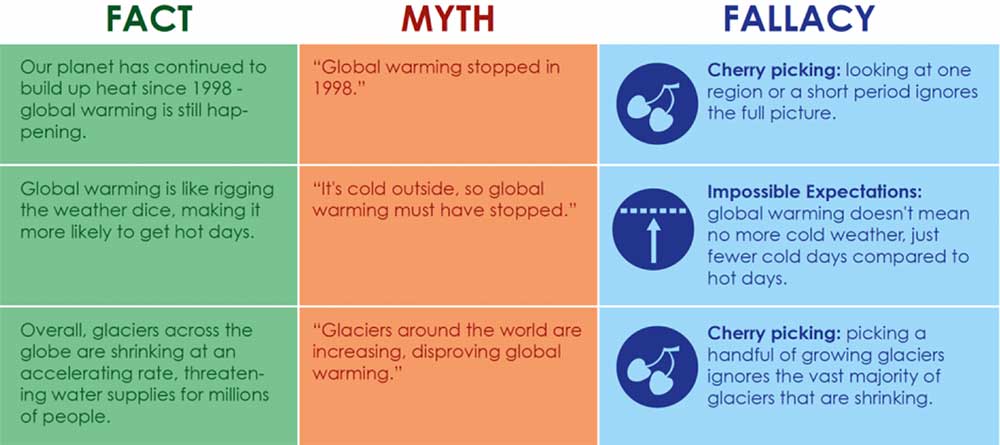
As we navigate the complexities of climate change, it’s essential to understand the tactics used by those who deny its existence or severity. In this article, we’ll delve into the techniques of climate denial, also known as “climate skepticism,” and explore how they manipulate public perception.
The Power of Language: How Words Can Be Misused
Language is a powerful tool that can be used to shape our perceptions and influence our beliefs. Climate deniers often use semantic tricks to distort the meaning of words, making it difficult for us to understand the issue correctly. For instance, they might use phrases like “global warming” instead of “climate change,” which implies a more gradual process rather than an immediate crisis.
5 Common Techniques Used by Climate Deniers
Here are five techniques commonly used by climate deniers:
1. Misleading Indicators
Climate deniers often rely on misleading indicators that create the illusion of a balanced perspective. For example, they might point to a year with below-average temperatures and claim that it proves global warming is not happening. However, this ignores the overall trend of rising temperatures over the past century.
2. Simplification
Climate deniers often oversimplify complex scientific issues, making them easier to understand but also more misleading. For instance, they might say “the climate has always changed” without acknowledging the significant impact of human activities on current warming trends.
3. Conclusion-Driven Arguments
Some climate deniers use flawed logic to reach conclusions that don’t follow from their premises. They might argue that since some natural events, like volcanic eruptions, can cause short-term cooling, we shouldn’t worry about global warming. However, this ignores the long-term pattern of rising temperatures and the disproportionate impact of human activities.
4. False Dichotomies
Climate deniers often create false dichotomies by presenting two opposing options as if they’re the only possibilities. For example, they might say “either we cut emissions drastically or face catastrophic consequences” without acknowledging that reducing emissions can also have economic benefits and improve public health.
5. Minority Amplification
Climate deniers often rely on a tiny minority of voices to create the illusion of consensus. They might cite a few scientists who question climate change, while ignoring the overwhelming majority of experts who agree on its reality and severity. This tactic creates the impression that there’s more debate than there actually is.
The Role of Science in Debating Climate Change
Science plays a crucial role in debating climate change, as it provides us with evidence-based insights into the issue. However, science alone cannot solve the problem; we also need to consider social, economic, and political factors. By understanding the techniques used by climate deniers, we can better appreciate the importance of scientific literacy and critical thinking.
Understanding Climate Change: A Guide for Non-Experts
Climate change is a complex issue that requires a nuanced understanding of science, economics, and politics. Here are some key points to keep in mind:
- The overwhelming majority of scientists agree on the reality and severity of climate change.
- Human activities, such as burning fossil fuels and deforestation, significantly contribute to greenhouse gas emissions.
- Reducing emissions can have economic benefits, improve public health, and create new jobs.
The Impact of Climate Denial
Climate denial has serious consequences, both for the environment and human societies. By ignoring or downplaying the reality of climate change, deniers contribute to:
- Increased greenhouse gas emissions, exacerbating global warming.
- More frequent and severe natural disasters, such as hurricanes, droughts, and wildfires.
- Negative impacts on public health, particularly in vulnerable communities.
Conclusion
Climate denial is a complex issue that requires a thoughtful and informed approach. By understanding the techniques used by climate deniers, we can better appreciate the importance of scientific literacy, critical thinking, and evidence-based decision-making. Ultimately, it’s up to us to take action and work towards a more sustainable future for all.
FAQs
- What are the most common techniques used by climate deniers?
- Climate deniers often rely on misleading indicators, simplification, conclusion-driven arguments, false dichotomies, and minority amplification.
- How can I develop critical thinking skills to evaluate climate change claims?
- Develop a habit of critically evaluating sources, looking for peer-reviewed articles and expert opinions, and considering multiple perspectives before forming an opinion.
- What role do scientists play in debating climate change?
- Scientists provide evidence-based insights into the issue, but they are not the only experts involved; social, economic, and political factors also play a significant role.
- How can I contribute to reducing greenhouse gas emissions?
- Make eco-friendly choices in your daily life, such as using public transport, carpooling, or driving electric vehicles; reduce energy consumption by turning off lights and electronics when not in use.
- What are some effective ways to communicate climate change information to others?
- Use clear, concise language; focus on the benefits of taking action (e.g., improved health, economic growth); and emphasize the urgent need for collective action.
References
- IPCC (2019). Climate Change and Land: an IPCC special report.
- National Oceanic and Atmospheric Administration (2020). Global Temperature Anomalies.
- Union of Concerned Scientists (2020). Climate Change Denial: A Review of the Evidence.
- American Meteorological Society (2020). Climate Change: Causes, Impacts, and Adaptation.
By understanding the techniques used by climate deniers and promoting scientific literacy, we can work towards a more sustainable future for all.


