
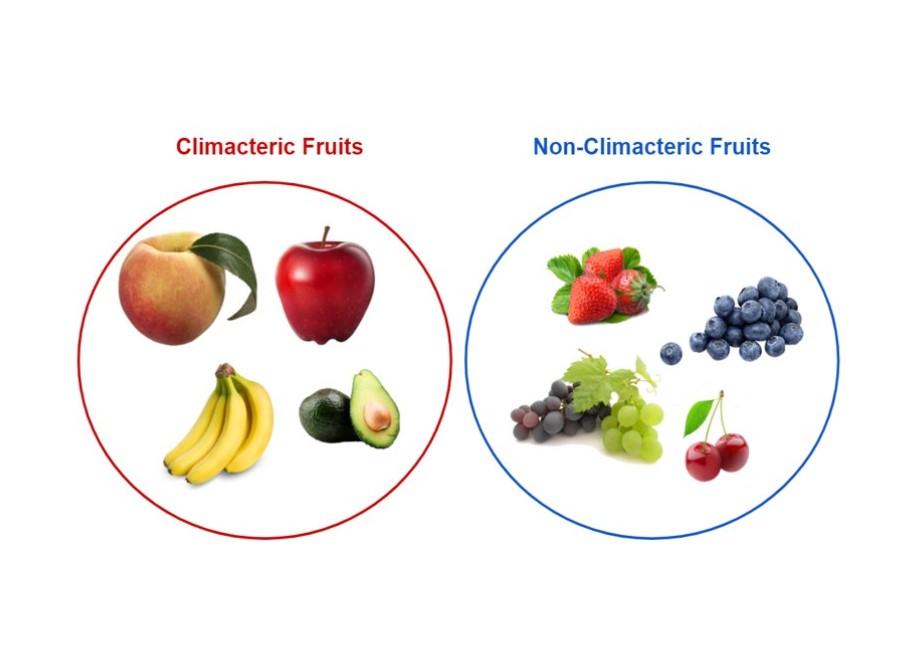
As we enjoy our daily dose of fresh fruits, have you ever wondered what makes some fruits continue to mature even after they’re picked from the tree? The answer lies in a fascinating process called climacterism, which is triggered by a molecule called ethylene. In this article, we’ll delve into the world of climacteric fruits and explore the role of ethylene in their maturity.
What are Climacteric Fruits?
Climacteric fruits are those that continue to ripen after they’re detached from the tree. This phenomenon is induced by a surge in ethylene production, which stimulates various biochemical reactions that lead to fruit softening and sweetness. The most common examples of climacteric fruits include apples, bananas, avocados, pears, kiwis, and many more.
The Role of Ethylene
Ethylene is often referred to as the “plant hormone” due to its ability to regulate various physiological processes in plants. In the case of fruit development, ethylene plays a crucial role in promoting ripening by stimulating the breakdown of starch into sugars. This process occurs through a series of complex biochemical reactions involving enzymes and other molecules.
How Does Ethylene Induce Climacterism?
When fruits are picked from the tree, their natural ethylene production slows down due to the lack of stress stimuli. However, when these fruits are stored or transported, they undergo a series of physiological changes that trigger an increase in ethylene production. This surge in ethylene levels triggers a cascade of reactions that lead to fruit softening, sweetness, and color change.
The Picco Climaterico: A Key Indicator of Fruit Maturity
The picco climaterico (peak climacteric) refers to the sudden increase in respiration rates that occurs during the ripening process. This event is triggered by a rapid production of ethylene, which stimulates the breakdown of starch and the accumulation of sugars.
Etilene in Other Plants
Ethylene’s role extends beyond fruit development, influencing various plant processes such as seed germination, leaf senescence, and flower abscission. In agriculture, ethylene inhibitors are used to prolong the vase life of cut flowers and to prevent premature senescence.
Conserving Climacteric Fruits
To preserve climacteric fruits like bananas and apples, farmers often employ strategies such as storing them in low-oxygen environments or using controlled atmosphere chambers. These methods inhibit ethylene production, thereby slowing down the ripening process.
Applications of Ethylene in Agriculture
Ethylene has numerous applications in agriculture, including:
- Promoting fruit maturity: By increasing ethylene levels, farmers can accelerate the ripening process and improve fruit quality.
- Regulating flower abscission: Ethylene inhibitors are used to delay or prevent flower shedding, ensuring a more consistent harvest.
- Synchronizing plant growth: Ethylene can be manipulated to synchronize plant growth patterns, improving crop yields and reducing waste.
Ethylene in Post-Harvest Management
Ethylene plays a crucial role in post-harvest management, where it’s used to prolong the shelf life of various fruits and vegetables. This is achieved by controlling ethylene production and respiration rates through methods such as:
- Modified atmosphere storage: Storing fruits in environments with controlled oxygen levels can inhibit ethylene production.
- Ethylene production regulation: Using ethylene inhibitors or scavengers can slow down ethylene production, thereby slowing down ripening.
- Cold storage: Storing fruits at low temperatures can slow down metabolic processes and reduce ethylene production.
Conclusion
The story of climacteric fruits is one of complex biochemical reactions and the fascinating role of ethylene. By understanding how this molecule influences fruit development, we can unlock new opportunities for sustainable agriculture and improve our daily lives through better access to fresh, nutritious produce.
Frequently Asked Questions (FAQs)
- What triggers climacterism?
Climacterism is triggered by a surge in ethylene production, which stimulates various biochemical reactions that lead to fruit softening and sweetness. - Which fruits are climacteric?
Examples of climacteric fruits include apples, bananas, avocados, pears, kiwis, and many more. - How does ethylene affect flower abscission?
Ethylene inhibitors can delay or prevent flower shedding, ensuring a more consistent harvest. - Can ethylene be used to improve crop yields?
Yes, ethylene can be manipulated to synchronize plant growth patterns, improving crop yields and reducing waste. - How are climacteric fruits preserved?
Farmers often employ strategies such as storing them in low-oxygen environments or using controlled atmosphere chambers to prevent premature ripening. - What is the picco climaterico?
The picco climaterico (peak climateric) refers to the sudden increase in respiration rates that occurs during the ripening process, triggered by a rapid production of ethylene. - Can ethylene be used to promote fruit maturity?
Yes, increasing ethylene levels can accelerate the ripening process and improve fruit quality. - How does ethylene affect seed germination?
Ethylene plays a role in promoting seed germination by stimulating cellular growth and differentiation.
Future Research Directions
While significant progress has been made in understanding the role of ethylene in climacteric fruits, there are still many unanswered questions. Future research directions could include:
- Investigating the molecular mechanisms underlying ethylene’s role in fruit development.
- Developing new strategies for preserving climacteric fruits using ethylene inhibitors or scavengers.
- Exploring the applications of ethylene in agriculture beyond fruit maturity and post-harvest management.
Conclusion
The story of climacteric fruits is one of complex biochemical reactions and the fascinating role of ethylene. By understanding how this molecule influences fruit development, we can unlock new opportunities for sustainable agriculture and improve our daily lives through better access to fresh, nutritious produce.


