
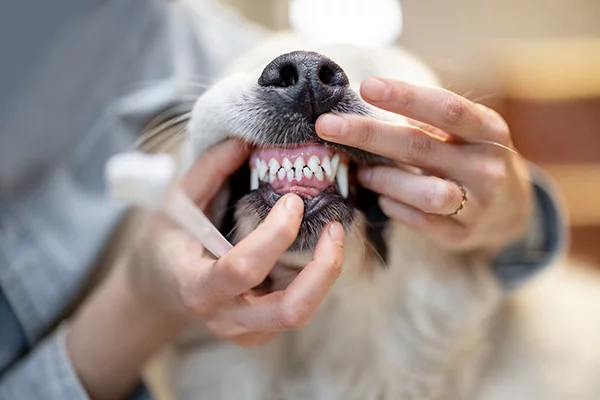
As a dog owner, you may think that brushing your furry friend’s teeth is not essential. However, this couldn’t be further from the truth. Neglecting your dog’s oral health can lead to a range of problems, from mild discomfort to life-threatening conditions. In this article, we’ll explore the importance of brushing your dog’s teeth and provide tips on how to make it a part of your daily routine.
Why Brushing Your Dog’s Teeth Matters
Dogs are prone to developing oral health issues, such as tartar buildup, gum disease, and bad breath. If left unchecked, these problems can lead to:
- Tooth loss
- Gastrointestinal problems
- Systemic infections
- Bad breath
Tartar: The Silent Danger
Tartar is a hard, yellowish deposit that forms on your dog’s teeth when plaque isn’t removed regularly. It can cause inflammation of the gums and lead to periodontitis, a painful and potentially life-threatening condition.
Periodontitis is a bacterial infection of the gums and bone that surround the teeth. If left untreated, it can progress to more serious health problems, such as heart disease, diabetes, and even kidney failure.
Plaque: The Hidden Enemy
Plaque is a sticky film of bacteria that forms on your dog’s teeth. If left unchecked, it can harden into tartar and cause oral health problems.
Plaque is composed of both living bacteria and dead cells from the mouth. It is a primary source of tartar buildup and dental caries (tooth decay) in dogs.
Bad Breath: A Sign of Trouble
Bad breath in dogs can be a sign of underlying oral health issues. It’s essential to investigate the cause of bad breath and address any potential problems.
Bad breath in dogs can be caused by a variety of factors, including:
- Tartar buildup
- Gum disease
- Dental caries (tooth decay)
- Gastrointestinal problems
Prevention is Key
Preventing oral health issues requires regular brushing, dental check-ups, and a balanced diet. Here are some tips on how to keep your dog’s teeth clean:
- Brush your dog’s teeth daily with a veterinarian-recommended toothbrush and toothpaste.
- Provide dental chews or toys to help remove plaque and tartar.
- Feed a balanced diet that includes dental-friendly ingredients.
Dental Care for Puppies
Puppies need regular dental care to prevent oral health issues. Here are some tips on how to brush your puppy’s teeth:
- Start brushing your puppy’s teeth when they’re 2-3 months old.
- Use a soft-bristled toothbrush and gentle toothpaste.
- Make it fun by using positive reinforcement techniques.
Dental Care for Older Dogs
As dogs age, their dental health needs may change. Here are some tips on how to care for older dogs’ teeth:
- Brush your dog’s teeth regularly to prevent tartar buildup.
- Provide dental chews or toys to help remove plaque and tartar.
- Consider a dental diet specifically designed for older dogs.
How Often Should I Brush My Dog’s Teeth?
Brushing your dog’s teeth daily is essential to preventing oral health issues. However, the frequency of brushing may vary depending on your dog’s age, size, and breed.
For example:
- Puppies: Start brushing their teeth at 2-3 months old and continue until they’re about 1 year old.
- Adult dogs: Brush their teeth daily to prevent tartar buildup.
- Senior dogs: Consider a dental diet specifically designed for older dogs and brush their teeth regularly to prevent tartar buildup.
What Kind of Toothpaste is Best for Dogs?
Toothpaste specifically designed for dogs should be used when brushing your dog’s teeth. Human toothpaste can be toxic to dogs, so it’s essential to use a product that’s safe and effective.
When choosing a toothpaste for your dog, consider the following factors:
- Ingredients: Look for a toothpaste with ingredients such as baking soda, hydrogen peroxide, or vitamin E.
- Brand reputation: Choose a reputable brand known for producing high-quality dental products.
How Do I Know if My Dog Has Oral Health Issues?
Oral health issues can be subtle and may not always cause obvious symptoms. However, there are some signs to look out for that may indicate your dog has oral health problems:
- Bad breath
- Yellow teeth
- Loose gums
- Swollen gums
- Redness of the gums


