
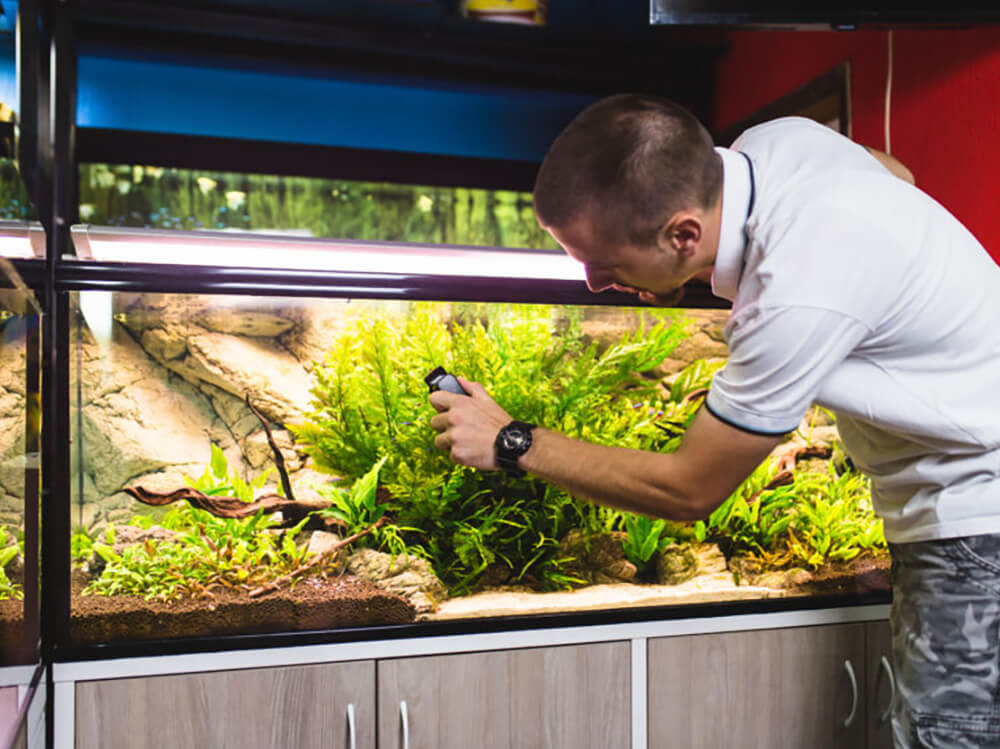
Cleaning the aquarium is one of the most important aspects of maintaining the quality of water and creating a suitable environment for plants and fish. While setting up an aquarium can be a relatively low-maintenance task, it’s essential to establish a regular cleaning routine to keep your aquatic ecosystem thriving.
Why Regular Aquarium Cleaning Matters
Just like any living being, an aquarium needs proper care and maintenance to stay healthy. A clean aquarium is essential for the well-being of both plants and fish. Poor water quality can lead to stress, disease, and even death in your aquatic friends.
Regular cleaning also helps to prevent the buildup of algae, which can quickly take over the tank if not addressed. Algae can be a nuisance, but it’s also a sign that there’s something wrong with the water quality or chemistry. By keeping your aquarium clean, you’ll be able to identify any issues early on and make adjustments as needed.
The Pre-Invasion Phase: Setting Up Your Aquarium
When setting up your aquarium, you’re about to embark on an exciting journey. The initial phase involves creating a habitat that will support the life of your future pets. You’ll need to consider factors like water quality, temperature, and lighting when selecting equipment.
Setting up an aquarium requires patience and dedication. The anticipation period can be long, but it’s essential for creating a healthy environment for your aquatic friends.
What to Consider When Setting Up Your Aquarium
Here are some key things to consider when setting up your aquarium:
- Water quality: Make sure you have a good understanding of water quality parameters like pH, ammonia, nitrite, and nitrate.
- Temperature: Research the optimal temperature range for the species you plan to keep in your aquarium.
- Lighting: Choose lighting that’s suitable for the type of plants and fish you’ll be keeping.
- Filteration: Select a filter that’s designed for your tank size and type of fish.
- Decorations: Add decorations like rocks, plants, and other ornaments to create hiding places and visual interest.
The Importance of Regular Cleaning
Regular cleaning is crucial for maintaining the health and well-being of your aquarium. Over time, debris and waste products can accumulate in the tank, leading to poor water quality.
Fortunately, regular cleaning doesn’t have to be invasive or traumatic for your fish. With the right tools and techniques, you can keep your aquarium clean without stressing out your aquatic friends.
What You Need to Clean Your Aquarium
To start cleaning your aquarium, you’ll need a few essential items:
- Siphon pump: This is used to remove debris from the gravel at the bottom of the tank.
- Large container or bucket: Use this to collect water and other debris during the cleaning process.
- Gravel rake: This helps to remove algae and other debris from the substrate.
- Algae scraper: This is used to clean the glass walls of the tank, removing any algae or grime buildup.
- Spunges: These are used to wipe down decorations and accessories.
You may also need additional tools depending on the size and type of your aquarium.
The Cleaning Process: A Step-by-Step Guide
Here’s a step-by-step guide to cleaning your aquarium:
- Turn off the equipment: Before starting the cleaning process, make sure to turn off all the equipment in your aquarium.
- Remove decorations and accessories: Take out any decorations or accessories from the tank to prevent damage during the cleaning process.
- Siphon the gravel: Use a siphon pump to remove debris and waste products from the gravel at the bottom of the tank.
- Clean the glass walls: Use an algae scraper to clean the glass walls of the tank, removing any algae or grime buildup.
The Importance of Water Changes
Regular water changes are essential for maintaining good water quality in your aquarium. Over time, waste products can accumulate in the tank, leading to poor water quality.
Aim to perform partial water changes every week to keep your aquarium clean and healthy.
How to Perform a Partial Water Change
To perform a partial water change, follow these steps:
- Turn off the equipment: Before starting the water change process, make sure to turn off all the equipment in your aquarium.
- Remove decorations and accessories: Take out any decorations or accessories from the tank to prevent damage during the cleaning process.
- Siphon the gravel: Use a siphon pump to remove debris and waste products from the gravel at the bottom of the tank.
- Add fresh water: Add fresh, dechlorinated water to the tank, making sure to match the temperature and pH levels of the existing water.
Tips and Tricks for Cleaning Your Aquarium
Here are some additional tips and tricks for cleaning your aquarium:
- Use a gravel rake to remove debris and waste products from the substrate.
- Clean the filter regularly to prevent clogging and maintain good water quality.
- Avoid over-cleaning, as this can stress out your aquatic friends.
Common Mistakes to Avoid When Cleaning Your Aquarium
Here are some common mistakes to avoid when cleaning your aquarium:
- Over-cleaning: Don’t clean the tank too often, as this can stress out your fish.
- Under-cleaning: Don’t underestimate the importance of regular cleaning. Failure to do so can lead to poor water quality and disease in your aquatic friends.
- Using tap water: Don’t use tap water for water changes, as it may contain chlorine or other additives that can harm your fish.
Conclusion
Cleaning your aquarium is an essential part of maintaining its health and well-being. By following these steps and tips, you’ll be able to keep your aquarium clean and thriving.
If you’re new to aquarium-keeping, don’t worry – it’s easy to get started. With regular cleaning and proper care, your aquatic friends will thrive in their new home.
Frequently Asked Questions
Here are some frequently asked questions about cleaning your aquarium:
-
Q: How often should I clean my aquarium?
A: The frequency of cleaning depends on the size and type of your aquarium, as well as the number of fish you have.
2. Q: What tools do I need to clean my aquarium?A: You’ll need a siphon pump, large container or bucket, gravel rake, algae scraper, and spunges to clean your aquarium.
3. Q: How do I turn off the equipment in my aquarium?A: Make sure to turn off all the equipment in your aquarium before starting the cleaning process.
4. Q: Can I use tap water for water changes?A: No, it’s best not to use tap water for water changes, as it may contain chlorine or other additives that can harm your fish.
5. Q: How do I add fresh water to my aquarium?A: Make sure to add fresh, dechlorinated water to the tank, matching the temperature and pH levels of the existing water.
By following these tips and guidelines, you’ll be able to keep your aquarium clean and thriving, providing a healthy environment for your aquatic friends to enjoy.


