
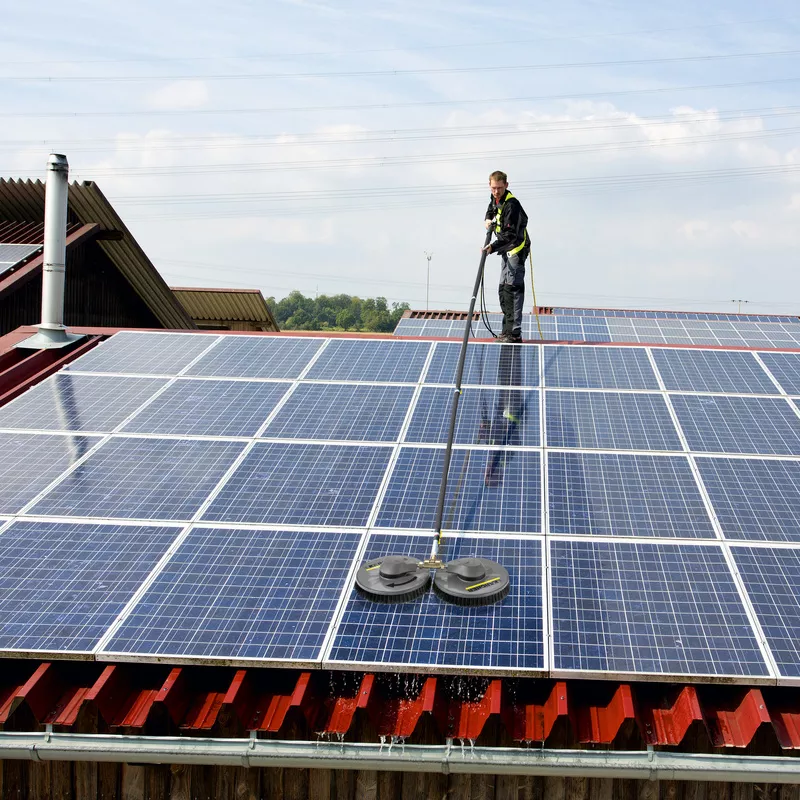
As one of the most common causes of reduced solar panel efficiency, dirt and debris can significantly impact your energy production. Pollen, leaves, dirt, resin, animal droppings, and various other impurities accumulate on solar panels, resulting in a decrease in power output. In dry periods, these impurities tend to stratify, making them harder to remove.
2. The Importance of Regular Cleaning
Regular cleaning is essential for maintaining optimal solar panel performance. During siccose seasons, it’s crucial to clean your solar panels regularly to prevent the buildup of dirt and debris. By doing so, you can ensure that your solar panels continue to generate maximum energy.
In addition to improving energy efficiency, regular cleaning can also help extend the lifespan of your solar panels. Dirt and debris can cause corrosion and other forms of damage that can reduce your solar panels’ performance over time. Regular cleaning helps prevent these issues, ensuring that your solar panels remain in good condition for years to come.
3. Choosing the Right Cleaning Method
When it comes to cleaning your solar panels, there are several methods available. One approach is to use a soft-bristled brush or broom to gently sweep away loose debris. However, for more stubborn impurities, you may need to employ a specialized cleaning solution or device.
For instance, you can use a high-pressure washer with a low-pressure nozzle to clean your solar panels. This method is effective for removing dirt and debris from large surfaces, but be cautious not to use too much pressure, which can damage your solar panels.
Another option is to use a soft-bristled brush and demineralized water to gently scrub away dirt and debris. This method is gentler on your solar panels and can help prevent mineral deposits from forming.
4. The Benefits of Using Water
Water is an effective cleaning agent for solar panels. However, not all water is created equal. Tap water can leave behind mineral deposits and other substances that can harm your solar panels over time. To avoid this, it’s recommended to use demineralized water or the purest possible water source.
Demineralized water, which has been treated to remove impurities, is a popular choice for cleaning solar panels. This type of water helps prevent mineral deposits from forming on your solar panels, ensuring that they continue to perform optimally.
5. The Risks of Using Tap Water
Tap water contains minerals such as calcium and magnesium, which can deposit onto your solar panels and reduce their efficiency. In addition, tap water can leave behind a residue that can attract dirt and debris, making it harder to clean your solar panels in the future.
Using tap water to clean your solar panels can also lead to corrosion, which can further reduce their performance. Corrosion occurs when minerals in the water react with the metal components of your solar panels, causing damage over time.
6. The Importance of Proper Drying
After cleaning your solar panels with water, it’s essential to dry them thoroughly to prevent mineral deposits from forming. This can be achieved by using a soft cloth or towel to gently pat the panels dry.
Proper drying is crucial for maintaining optimal solar panel performance. Moisture can cause corrosion and other forms of damage that can reduce your solar panels’ efficiency over time.
7. DIY Cleaning Methods
For those who prefer to clean their own solar panels, there are several DIY methods available. One approach is to use a soft-bristled brush and demineralized water to gently scrub away dirt and debris.
Another option is to use a high-pressure washer with a low-pressure nozzle to clean your solar panels. However, be cautious not to use too much pressure, which can damage your solar panels.
8. Professional Cleaning Options
If you’re unsure about how to clean your solar panels or if you have a large installation, it’s recommended to hire a professional cleaning service. Many companies specialize in cleaning solar panels and offer a range of services, including regular maintenance and repairs.
Professional cleaning services can help ensure that your solar panels continue to perform optimally by removing dirt and debris, inspecting for damage, and making any necessary repairs.
9. The Benefits of Using a Pressure Washer
A pressure washer can be an effective tool for cleaning solar panels, especially those located on rooftops or in hard-to-reach areas. However, be cautious not to use too much pressure, which can damage your solar panels.
Using a pressure washer with a low-pressure nozzle can help remove dirt and debris from large surfaces while minimizing the risk of damage to your solar panels.
10. Specialized Cleaning Equipment
There are several specialized cleaning devices available that can help you clean your solar panels more efficiently. One approach is to use a machine with an osmosis inverse filter, which can purify the water before it’s applied to the solar panels.
Specialized cleaning equipment can help ensure that your solar panels continue to perform optimally by removing dirt and debris, inspecting for damage, and making any necessary repairs.
11. DIY Pressure Washer
For those who prefer to clean their own solar panels, there are several DIY pressure washer options available. One approach is to use a garden hose and a soft-bristled brush to gently scrub away dirt and debris.
However, be cautious not to use too much pressure or damage your solar panels when using a DIY pressure washer.
12. The Benefits of Using a Fitting System
A fitting system can be an effective tool for connecting your cleaning equipment to the solar panels. This ensures that the water is applied evenly and doesn’t damage the panels.
Using a fitting system can help prevent mineral deposits from forming on your solar panels, ensuring that they continue to perform optimally.
13. Why Cleaning Your Solar Panels Matters
In addition to improving energy efficiency, cleaning your solar panels can also help extend their lifespan. Dirt and debris can cause corrosion and other forms of damage that can reduce your solar panels’ performance over time.
Regular cleaning helps prevent these issues, ensuring that your solar panels remain in good condition for years to come.
14. Regular Maintenance is Key
Regular maintenance is essential for ensuring the optimal performance of your solar panels. This includes regular cleaning, inspection, and repair to identify any issues before they become major problems.
Regular maintenance can help extend the lifespan of your solar panels by preventing damage caused by dirt and debris.
15. Conclusion
In conclusion, cleaning your solar panels is an essential step in maintaining their efficiency and lifespan. By using the right techniques and equipment, you can ensure that your solar panels continue to generate maximum energy for years to come.
Regular cleaning, inspection, and repair are crucial for maintaining optimal solar panel performance. Don’t wait until it’s too late – schedule regular maintenance today to ensure your solar panels remain in top condition.
FAQs
Q: How often should I clean my solar panels?
A: Regular cleaning is essential for maintaining optimal solar panel performance. Aim to clean your solar panels at least twice a year during siccose seasons.
Q: What type of water should I use to clean my solar panels?
A: Demineralized water or the purest possible water source is recommended for cleaning solar panels.
Q: Can I use tap water to clean my solar panels?
A: No, tap water can leave behind mineral deposits and other substances that can harm your solar panels over time.
Q: How do I prevent damage to my solar panels when using a pressure washer?
A: Be cautious not to use too much pressure, which can damage your solar panels. Instead, use a soft-bristled brush and demineralized water to gently scrub away dirt and debris.
Q: Can I clean my solar panels myself?
A: Yes, you can clean your own solar panels using a soft-bristled brush and demineralized water. However, be cautious not to use too much pressure or damage your solar panels.
Q: What are the benefits of hiring a professional cleaning service for my solar panels?
A: Professional cleaning services offer regular maintenance and repairs, ensuring that your solar panels continue to perform optimally.
Q: How can I ensure my solar panels last longer?
A: Regular cleaning, inspection, and repair can help extend the lifespan of your solar panels.
Q: What type of equipment do you recommend for cleaning solar panels?
A: Specialized cleaning devices with an osmosis inverse filter can be effective tools for cleaning solar panels.


