
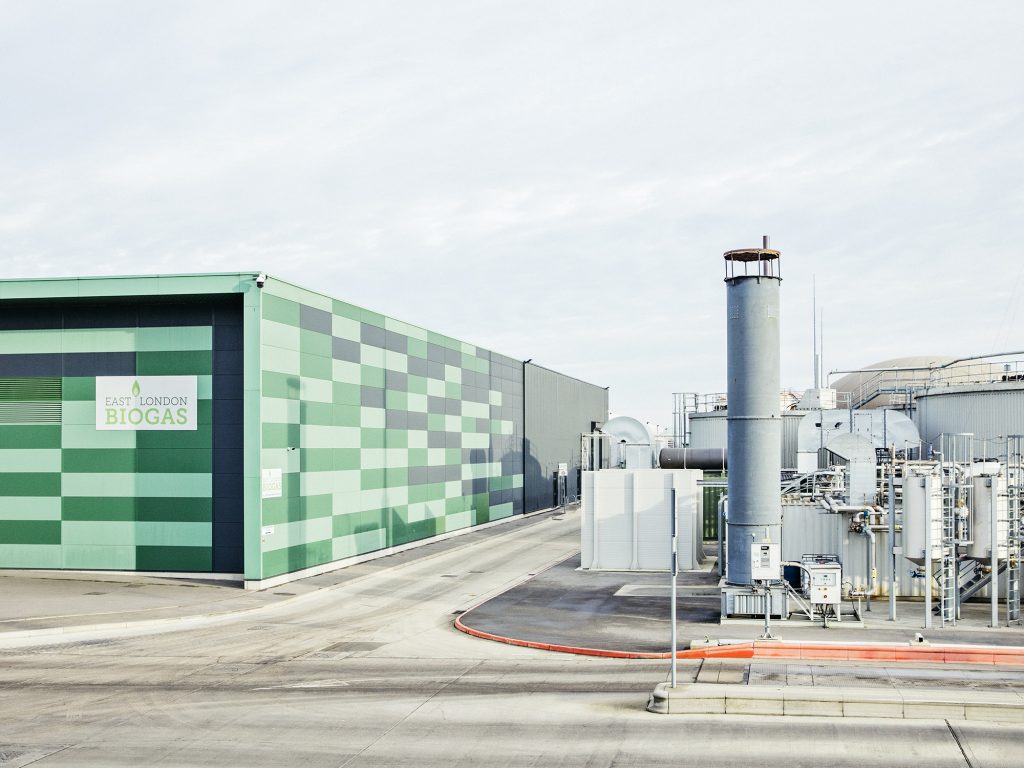
As the world shifts towards a more sustainable future, cities like London are leading the charge. A groundbreaking project is set to transform the city’s energy landscape by harnessing the power of food waste. This innovative initiative will convert kitchen scraps into clean electricity, reducing London’s carbon footprint and paving the way for a greener tomorrow.
The Problem of Food Waste
Food waste has long been a pressing issue in London, with millions of tons of edible ingredients ending up in landfills each year. This not only contributes to greenhouse gas emissions but also wastes valuable resources that could be used to feed the city’s growing population. The solution lies in finding alternative uses for this waste, and what better way than to turn it into energy?
Food waste is a significant problem worldwide, with an estimated one-third of all food produced globally being lost or wasted. In London alone, over 800,000 tonnes of food are discarded each year, which would be enough to feed the entire city’s population for a week. The economic cost of this waste is staggering, with estimates suggesting it costs the UK economy around £2.5 billion annually.
The Solution: A New Era of Energy Generation
A state-of-the-art facility will be built at Beston, a site located just outside London, to process food waste into electricity. This cutting-edge technology will enable the production of clean energy from the treatment of oils and food scraps generated by London’s restaurants and cafes. The resulting electricity will be fed directly onto the National Grid, providing power for over 40,000 homes.
The facility is designed to work in conjunction with existing power plants to provide additional clean energy for London’s residents. This innovative approach not only reduces greenhouse gas emissions but also helps to stabilize the grid and ensure a reliable supply of electricity.
How it Works
The process is straightforward: all food waste will be channeled into the facility at Beston, where it will be treated to produce energy from vehicles. This energy will then be injected into the grid and distributed to households across London. The facility will have the capacity to handle 30 tons of waste per day, generating approximately 130 GWh of electricity annually.
The treatment process involves a combination of anaerobic digestion and gasification technologies. Anaerobic digestion breaks down organic matter in the absence of oxygen, producing biogas (a mixture of methane and carbon dioxide) which is then cleaned and burned to produce electricity. Gasification takes place at high temperatures in the absence of air, resulting in the production of syngas, a cleaner-burning fuel that can be used to generate electricity.
A Breakthrough in Sustainability
This project marks a significant milestone in London’s journey towards sustainability. For the first time, food waste will be converted into energy, reducing the city’s reliance on fossil fuels and lowering greenhouse gas emissions. The facility is expected to make a substantial impact, with estimates suggesting it could cut emissions by up to 20%.
The Economic Benefits
While the initial investment in this project is significant – estimated at £200 million over 20 years – the long-term benefits far outweigh the costs. By reducing energy waste and increasing efficiency in the city’s wastewater treatment systems, the facility will save London millions of pounds each year on maintenance costs.
In addition to cost savings, the facility will also create new job opportunities in the waste management and energy sectors. The project is expected to generate significant economic benefits for the local community, including increased employment opportunities and local spending.
A New Era for Food Waste Management
The Beckton Energy Recovery Facility has already shown that it is possible to harness the power of food waste to generate clean electricity. With this new project, London will become a global leader in sustainable energy production, demonstrating that even the most seemingly intractable problems can be solved with innovative thinking.
This project sets a new precedent for food waste management and highlights the potential for urban areas to play a critical role in reducing greenhouse gas emissions. By embracing this groundbreaking initiative, London is paving the way for other cities to follow suit and make a significant contribution towards a more sustainable future.
Conclusion: A Brighter Future for London
As we look towards a more sustainable future, it’s clear that cities like London are at the forefront of innovation. By embracing this groundbreaking project, London is not only reducing its carbon footprint but also paving the way for other cities to follow suit. The power of food waste has been harnessed, and the results are nothing short of remarkable.
The success of this project serves as a testament to the ingenuity and determination of the people involved in making a difference. As we continue on our journey towards a more sustainable future, it’s essential that we prioritize initiatives like this one, which demonstrate the potential for innovation and collaboration to drive meaningful change.
Frequently Asked Questions
- What type of food waste will be used in this project?
The facility will accept all types of food waste, including oils and scraps generated by restaurants and cafes. - How much energy will the facility produce annually?
The facility is expected to generate approximately 130 GWh of electricity per year. - Will the facility replace existing power plants or increase energy production?
The facility will work in conjunction with existing power plants to provide additional clean energy for London’s residents. - What are the estimated carbon emissions savings from this project?
The project is expected to reduce greenhouse gas emissions by up to 20%. - How much will it cost to implement and maintain this project?
The initial investment is estimated at £200 million over 20 years, with ongoing maintenance costs expected to be significantly lower. - Will the facility create jobs or stimulate local economic growth?
Yes, the project is expected to create new job opportunities in the waste management and energy sectors. - How will the facility be monitored and regulated to ensure its safety and effectiveness?
The facility will be subject to regular monitoring and regulation by local authorities to ensure compliance with environmental standards. - Can I visit the facility or learn more about this project?
Yes, information on the facility’s operations, management, and benefits can be found through various online resources and government reports.
By continuing to push the boundaries of innovation and sustainability, London will remain at the forefront of urban development, setting an example for cities around the world to follow. The power of food waste has been harnessed, and the results are nothing short of remarkable – a brighter future for London is within reach.


