
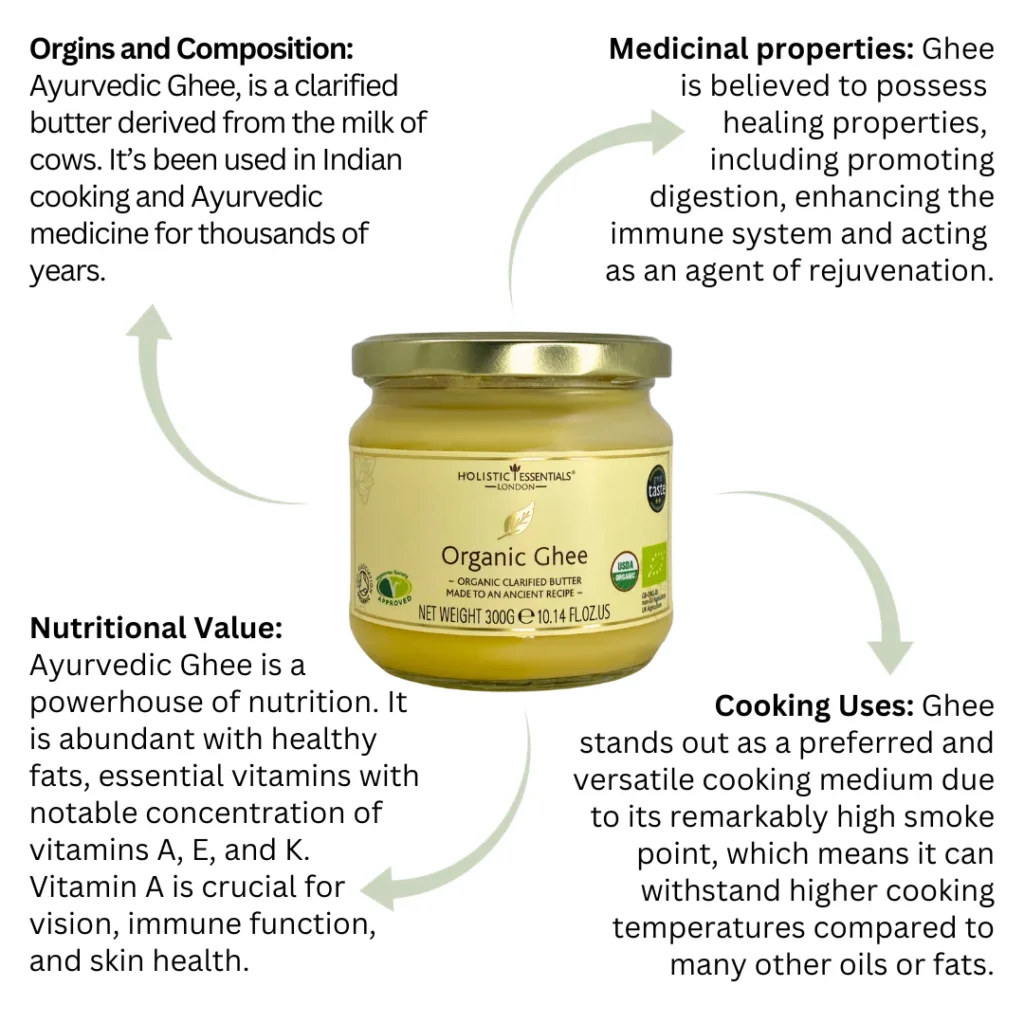
Clarified butter, also known as ghee, is a type of butter that has undergone an additional process called clarification. In this article, we will delve into the world of clarified butter, exploring its properties, benefits, and uses in cooking.
What is Clarified Butter?
Clarified butter is a type of butter that has been heated to separate it from its milk solids and water content. This process, known as clarification, removes the proteins and lactose from the butter, resulting in a clear and odorless liquid with a high smoke point.
Clarified butter is often referred to as ghee in Indian cuisine, where it has been used for centuries as a cooking fat. The word “ghee” is derived from the Sanskrit word “ghṛta,” which means “to heat.” Clarified butter is an integral part of traditional Indian cooking and is often used in recipes such as naan bread, tandoori chicken, and palak paneer.
Differences between Whole Butter and Clarified Butter
Whole butter, also known as regular butter, contains milk proteins that can burn at low temperatures, affecting its smoke point. In contrast, clarified butter has a higher smoke point due to the removal of these proteins. This makes it ideal for cooking at high temperatures.
The main differences between whole butter and clarified butter are:
- Smoke Point: Whole butter has a lower smoke point (around 320°F/160°C) than clarified butter (around 485°F/252°C).
- Milk Solids: Clarified butter is made by heating the butter to remove its milk solids, resulting in a clear and odorless liquid.
- Flavor: Whole butter has a richer flavor due to its milk solids content, while clarified butter has a more neutral taste.
Properties of Clarified Butter
Clarified butter is composed of approximately 99% fat, with the remaining 1% consisting of water, lactose, and milk solids. The fatty acid composition of clarified butter includes:
- Saturated fats: 65.8g
- Monounsaturated fats: 28g
- Polysaturated fats: 4.6g
- Cholesterol: 0.28g
- Water: 0.1g
Clarified butter also contains vitamins A, E, and K, making it a nutritious addition to your diet.
Does Clarified Butter Have Negative Effects?
While clarified butter can be a healthy choice in moderation, it is not suitable for everyone. Individuals with hyperlipidemia, obesity, or other health conditions should limit their consumption of clarified butter due to its high saturated fat content.
Consuming large amounts of saturated fats can increase cholesterol levels and contribute to cardiovascular disease. However, moderate consumption of clarified butter (1-2 tablespoons per day) is unlikely to have a significant impact on cardiovascular health.
Impact on Cholesterol Levels
Contrary to popular belief, clarified butter does not significantly raise cholesterol levels when consumed in moderation. In fact, a study published in the US National Library of Medicine – National Institutes of Health found that clarified butter is rich in vitamins liposoluble with antioxidant properties, which may help reduce cholesterol levels and reduce the risk of cardiovascular diseases.
The study concluded that consuming 2 tablespoons (30g) of ghee per day for 8 weeks significantly improved lipid profiles and reduced oxidative stress in healthy adults. This suggests that clarified butter can be a beneficial addition to your diet when consumed in moderation.
Conclusion
Clarified butter can be a valuable addition to your cooking repertoire, offering a higher smoke point and improved flavor profile compared to whole butter. However, it’s essential to consume it in moderation due to its high saturated fat content. By incorporating clarified butter into your diet, you can enjoy a delicious and healthy cooking experience.
Frequently Asked Questions
Q: Is clarified butter suitable for everyone?
A: No, individuals with hyperlipidemia, obesity, or other health conditions should limit their consumption of clarified butter due to its high saturated fat content.
Q: Does clarified butter raise cholesterol levels?
A: Contrary to popular belief, clarified butter does not significantly raise cholesterol levels when consumed in moderation. In fact, it contains vitamins liposoluble with antioxidant properties that may help reduce cholesterol levels and reduce the risk of cardiovascular diseases.
Q: How do I use clarified butter in cooking?
A: You can use clarified butter as a substitute for whole butter in many recipes by reducing the amount by 20%. For example, if a recipe calls for 150g of butter, you can use 120g of clarified butter instead.
Q: Is clarified butter suitable for people with dairy allergies?
A: Clarified butter is made from butter and does not contain lactose or casein, making it a good option for those with dairy allergies. However, it’s essential to consult with a healthcare professional before consuming any new food.
Q: Can I use clarified butter as a substitute for other fats?
A: Yes, you can use clarified butter as a substitute for other fats in cooking due to its high smoke point and improved flavor profile.
Q: Is clarified butter beneficial for cardiovascular health?
A: Yes, clarified butter is rich in vitamins liposoluble with antioxidant properties that may help reduce cholesterol levels and reduce the risk of cardiovascular diseases.
Health Benefits of Clarified Butter
Clarified butter has several potential health benefits due to its nutrient-rich composition:
- Reduced Cholesterol Levels: Moderate consumption of clarified butter may help reduce cholesterol levels by improving lipid profiles.
- Improved Cardiovascular Health: The antioxidant properties in clarified butter may help reduce oxidative stress and improve cardiovascular health.
- Vitamin Content: Clarified butter is rich in vitamins A, E, and K, making it a nutritious addition to your diet.
However, more research is needed to confirm the potential health benefits of clarified butter. As with any food, moderation is key when consuming clarified butter as part of a balanced diet.
Culinary Uses for Clarified Butter
Clarified butter is an excellent cooking fat due to its high smoke point and improved flavor profile. It can be used in a variety of dishes, including:
- Sauteing: Clarified butter makes an excellent sautéing agent due to its high heat tolerance.
- Roasting: The nutty flavor of clarified butter complements roasted vegetables and meats perfectly.
- Baking: Clarified butter can be used in baked goods, such as cakes and pastries, for added flavor and moisture.
Tips for Using Clarified Butter
When using clarified butter in cooking, keep the following tips in mind:
- Use in Moderation: Clarified butter is high in saturated fats, so use it in moderation to avoid overconsumption.
- Choose High-Quality Butter: Select high-quality butter with a high fat content for the best flavor and nutritional benefits.
- Store Properly: Store clarified butter in an airtight container in the refrigerator or freezer to maintain its quality and shelf life.
By incorporating clarified butter into your cooking repertoire, you can enjoy a delicious and healthy culinary experience.


