
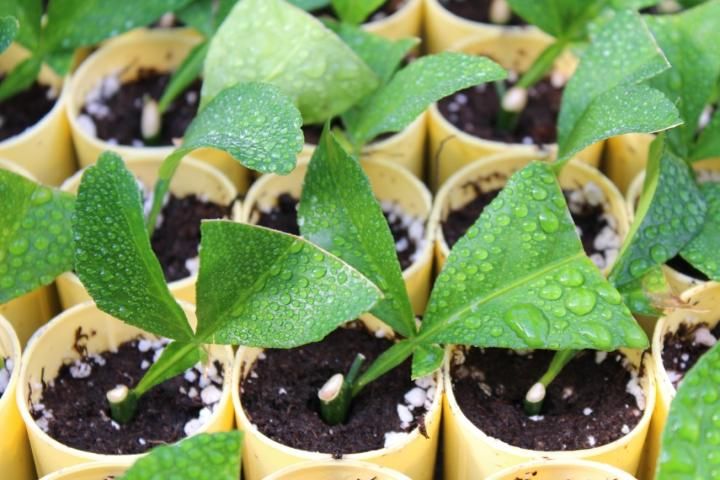
As a gardener, propagating citrus trees can be an intimidating task. However, with the right techniques and timing, you can successfully multiply your favorite citrus varieties. In this article, we’ll explore the different methods of propagating citrus, including seed, cutting, grafting, and budding.
What is Propagation?
Propagation is the process of creating new plants from existing ones. It’s a crucial skill for gardeners and horticulturists, as it allows them to multiply their favorite varieties and share them with others. When choosing a propagation method, it’s essential to consider the type of citrus tree you’re working with.
Methods of Propagation
Seed
Seeding is the most traditional method of propagating citrus trees. It’s often used to produce portinnests, which are young plants with a robust root system and excellent growth potential. However, seeding has some limitations:
- Not suitable for hybrid varieties
- Requires precise timing (spring, March to April)
- Takes 3 months for the seedling to reach 10 cm in height
- Can take 1-2 years before the plant can be grafted
Cutting
Cutting is a popular method of propagating citrus trees. It involves taking a stem cutting from a mature tree and rooting it in soil or water. This method has some advantages:
- Produces identical copies of the parent plant
- Can be used for both hybrid and non-hybrid varieties
However, there are also some drawbacks to consider:
- The cuttings often have a weak root system
- Limited success rate
- Best done in June-July
Grafting
Grafting is a more advanced technique that involves joining a piece of stem (called a scion) from one tree onto the root system of another tree (called a rootstock). This method offers several benefits:
- Produces stronger, healthier plants
- Can be used for both hybrid and non-hybrid varieties
- Suitable for various types of citrus trees
However, grafting requires some expertise and specialized equipment.
Budding
Budding is another advanced technique that involves removing a small bud from one tree and joining it to the root system of another tree. This method also offers several benefits:
- Produces strong, healthy plants
- Suitable for various types of citrus trees
However, budding requires some expertise and specialized equipment.
Choosing the Right Method
When choosing a propagation method, consider the type of citrus tree you’re working with, as well as your level of expertise. If you’re new to propagation, it’s recommended to start with seed or cutting methods. As you gain more experience, you can move on to grafting and budding.
Tips and Tricks
- Use fresh, healthy material for planting
- Provide optimal growing conditions (light, water, temperature)
- Monitor your plants closely for signs of stress or disease
By following these tips and choosing the right propagation method, you’ll be well on your way to successfully multiplying your favorite citrus trees.
Frequently Asked Questions
Q: What is the best time to propagate citrus trees?
A: The best time to propagate citrus trees depends on the method used. For seeding and cutting methods, spring (March to April) is usually the best time. For grafting and budding methods, early summer (April to May) is often preferred.
Q: How long does it take for a propagated citrus tree to mature?
A: The time it takes for a propagated citrus tree to mature varies depending on the method used and the specific variety. Generally, seedlings can take 2-5 years to reach maturity, while grafted trees can produce fruit within 1-3 years.
Q: Can I propagate citrus trees indoors?
A: Yes, you can propagate citrus trees indoors using a propagation tray or container with well-draining soil and adequate light. However, ensure that the temperature remains between 65°F to 75°F (18°C to 24°C) for optimal growth.
Q: How often should I water my propagated citrus tree?
A: Water your propagated citrus tree regularly, but avoid overwatering. The frequency of watering depends on the climate and soil type. Generally, aim to provide about 1-2 inches (2.5-5 cm) of water per week.
Q: Can I propagate citrus trees from cuttings?
A: Yes, you can propagate citrus trees from cuttings using a rooting hormone and well-draining soil. The success rate depends on the type of cutting taken and the care provided during propagation.
Q: How do I protect my propagated citrus tree from pests and diseases?
A: Regularly inspect your propagated citrus tree for signs of pests or diseases, such as aphids, whiteflies, or root rot. Use organic or integrated pest management (IPM) methods to control any issues that arise.
Propagation Techniques
Softwood Cuttings
Softwood cuttings are taken from the top growth of a mature citrus tree during spring and early summer. They have a high success rate due to their high water content and soft, woody tissue.
- Take 10-15 cm long cuttings with at least two nodes
- Remove lower leaves, leaving only two or three sets of leaves at the top
- Dip the cutting in rooting hormone powder or liquid
- Plant immediately in well-draining soil
Semi-Ripened Cuttings
Semi-ripened cuttings are taken from mature citrus trees during mid to late summer. They have a moderate success rate due to their partially dried out tissue.
- Take 15-20 cm long cuttings with at least two nodes
- Remove lower leaves, leaving only one or two sets of leaves at the top
- Dip the cutting in rooting hormone powder or liquid
- Plant immediately in well-draining soil
Hardwood Cuttings
Hardwood cuttings are taken from mature citrus trees during late summer and early fall. They have a low success rate due to their fully dried out tissue.
- Take 10-15 cm long cuttings with at least two nodes
- Remove lower leaves, leaving only one set of leaves at the top
- Dip the cutting in rooting hormone powder or liquid
- Plant immediately in well-draining soil
Common Mistakes
Overwatering
Overwatering is a common mistake when propagating citrus trees. This can lead to root rot, which can be fatal to the plant.
- Check the soil moisture regularly
- Avoid watering excessively
- Use a moisture meter to determine the optimal water level
Underwatering
Underwatering is also a common mistake when propagating citrus trees. This can lead to drought stress and reduced growth.
- Check the soil moisture regularly
- Water sparingly, but consistently
- Avoid overwatering, which can cause root rot
Inadequate Light
Inadequate light can slow down or prevent propagation of citrus trees. Provide plants with at least 4-6 hours of direct sunlight per day.
- Use grow lights if necessary
- Prune branches to increase leaf density and promote rooting
- Monitor plant growth and adjust lighting as needed
Incorrect Temperature
Incorrect temperature can affect the success rate of propagation. Most citrus trees prefer daytime temperatures between 65°F-75°F (18°C-24°C) and nighttime temperatures around 55°F-65°F (13°C-18°C).
- Use a thermometer to monitor temperature
- Provide adequate heating or cooling as needed
- Avoid sudden temperature changes
Grafting Techniques
Top Grafting
Top grafting involves joining a piece of stem from one tree onto the top of another tree.
- Select healthy scions and rootstocks
- Cut a small incision on the rootstock, about 1-2 cm deep
- Insert the scion into the incision, securing it with twine or tape
- Plant in well-draining soil and provide adequate moisture
Root Grafting
Root grafting involves joining a piece of stem from one tree onto the roots of another tree.
- Select healthy scions and rootstocks
- Cut a small incision on the rootstock, about 1-2 cm deep
- Insert the scion into the incision, securing it with twine or tape
- Plant in well-draining soil and provide adequate moisture
Layering
Layering involves bending a branch from one tree onto the ground and securing it with wire.
- Select healthy branches from mature trees
- Bend the branch down to the ground, securing it with wire
- Cover the buried section of the branch with soil and mulch
- Allow roots to develop before cutting the branch from the parent tree
Budding Techniques
Single Bud Grafting
Single bud grafting involves removing a single bud from one tree and joining it to the root system of another tree.
- Select healthy scions and rootstocks
- Cut a small incision on the rootstock, about 1-2 cm deep
- Insert the bud into the incision, securing it with twine or tape
- Plant in well-draining soil and provide adequate moisture
Multiple Bud Grafting
Multiple bud grafting involves removing multiple buds from one tree and joining them to the root system of another tree.
- Select healthy scions and rootstocks
- Cut small incisions on the rootstock, about 1-2 cm deep
- Insert each bud into its respective incision, securing it with twine or tape
- Plant in well-draining soil and provide adequate moisture
T-Budding
T-budding involves joining two branches from one tree to form an ‘T’ shape.
- Select healthy scions and rootstocks
- Cut small incisions on the rootstock, about 1-2 cm deep
- Insert each branch into its respective incision, securing it with twine or tape
- Plant in well-draining soil and provide adequate moisture
By following these propagation techniques and tips, you can successfully multiply your favorite citrus trees.


