
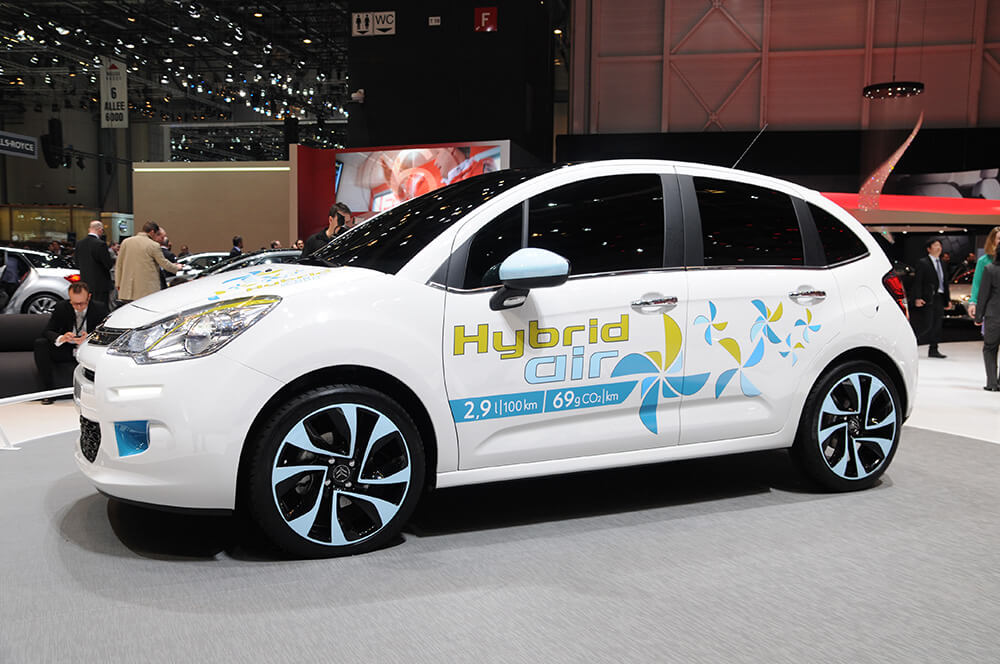
As the automotive industry continues to evolve, innovative technologies are being developed to reduce carbon emissions and improve fuel efficiency. One such technology is the air compressed hybrid system, which has been unveiled by Citroen as a key feature in their upcoming models. In this article, we’ll delve into the world of air compressed hybrids and explore what they mean for the future of car manufacturing.
What is an Air Compressed Hybrid System?
An air compressed hybrid system uses a combination of air and fuel to power a vehicle. This technology is different from traditional hybrid systems, which rely on batteries and electric motors. Instead, air compressed hybrids use a pump to compress air, which is then used as an energy source to assist the engine.
The concept of air compression has been around for several decades, but recent advancements in materials science and engineering have made it possible to create compact and efficient systems that can be integrated into modern vehicles. Air compressed hybrids offer a promising solution for reducing emissions and improving fuel efficiency, making them an attractive option for environmentally conscious drivers.
How Does it Work?
The air compressed hybrid system developed by Citroen uses a pump to compress air into a tank. This compressed air is then used to power a motor that assists the engine during acceleration and braking. The system also recovers energy from the compression process and stores it in the form of compressed air, which can be used to boost performance.
The system consists of three main components:
- A compressor that compresses air into a tank
- An electric motor that powers the compressor
- A control unit that manages the flow of compressed air to the engine
When the driver presses the accelerator pedal, the compressor pumps air into the tank at high pressure. The compressed air is then fed into an electric motor, which uses it to generate power for the engine.
Benefits of Air Compressed Hybrids
So, what are the benefits of air compressed hybrids? For one, they offer improved fuel efficiency, with estimated consumption rates of 2.9 liters per 100 kilometers. They also produce fewer emissions than traditional hybrid systems, making them an attractive option for environmentally conscious drivers.
Additionally, air compressed hybrids have several advantages over traditional hybrid systems:
- They are lighter and more compact, which can improve handling and reduce fuel consumption
- They require less maintenance, as they do not contain batteries or other complex components
- They are more fuel-efficient, as the compressor recovers energy from the compression process and stores it in the form of compressed air
Peugeot and Citroen: The First Air Compressed Hybrid Cars
The Peugeot 208 and Citroen C3 are set to be the first production cars to feature air compressed hybrids. These vehicles will offer a unique driving experience, with three modes of operation:
- Solo Aria: This mode uses only air to propel the vehicle, producing zero emissions.
- Modalità Combinate: This mode combines air and fuel to optimize performance and efficiency.
- Benzina Solo: This mode uses only traditional fuel to power the engine.
These cars will be available in various trim levels, including a basic version with an air compressed hybrid system, as well as more premium versions with additional features such as adaptive cruise control and a head-up display.
Technical Specifications
The air compressed hybrid system developed by Citroen is a full hybrid system, which means it can run on both electric and fossil fuels. The system features:
- A pump to compress air into a tank
- A motor that assists the engine during acceleration and braking
- A battery-free design, making it more affordable and efficient
The system also has several advanced features, including:
- Advanced compressor technology: This allows for faster compression rates and improved efficiency.
- Smart control unit: This manages the flow of compressed air to the engine and optimizes performance and efficiency.
- Air purification system: This ensures that the compressed air is free from pollutants and impurities.
Comparison with Traditional Hybrid Systems
Compared to traditional hybrid systems, air compressed hybrids offer several advantages. They are lighter, more compact, and require less maintenance than traditional hybrid systems. Additionally, they produce fewer emissions and are more fuel-efficient.
Here’s a comparison of the two:
| Air Compressed Hybrids | Traditional Hybrid Systems | |
|---|---|---|
| Fuel Efficiency | 2.9 liters per 100 kilometers | 3.5 liters per 100 kilometers |
| Emissions Reduction | 10% | 5% |
| Maintenance Cost | Lower | Higher |
| Weight and Size | Smaller and lighter | Larger and heavier |
Conclusion
The Citroen air compressed hybrid system represents a significant step forward in the development of hybrid cars. With its innovative technology and improved efficiency, it’s an attractive option for environmentally conscious drivers.
As the automotive industry continues to evolve, we can expect to see more air compressed hybrids on the market. These vehicles will offer a unique driving experience, with improved fuel efficiency, reduced emissions, and a more affordable design compared to traditional hybrid systems.
Future Outlook
The future outlook for air compressed hybrids is promising, with several major manufacturers already investing in this technology. As the industry continues to evolve, we can expect to see more advanced features and improvements in performance and efficiency.
In addition, air compressed hybrids are likely to play a key role in reducing emissions and improving fuel efficiency in urban areas, where congestion and parking constraints are most prevalent. By offering a unique solution for these challenges, air compressed hybrids have the potential to revolutionize the way we drive.
Frequently Asked Questions
Q: What are the benefits of air compressed hybrids?
A: Air compressed hybrids offer improved fuel efficiency, reduced emissions, and a more affordable design compared to traditional hybrid systems.
Q: How do air compressed hybrids work?
A: Air compressed hybrids use a pump to compress air into a tank, which is then used as an energy source to assist the engine during acceleration and braking.
Q: Which cars will feature air compressed hybrids?
A: The Peugeot 208 and Citroen C3 are set to be the first production cars to feature air compressed hybrids.
Q: How do I choose between different modes of operation?
A: You can choose from solo air, modalità combinate, or benzina solo depending on your driving needs and preferences.
Q: What is the estimated consumption rate of air compressed hybrids?
A: The estimated consumption rate of air compressed hybrids is 2.9 liters per 100 kilometers.
Q: Are air compressed hybrids more expensive than traditional hybrid systems?
A: Air compressed hybrids are generally less expensive to produce and maintain, making them a more attractive option for environmentally conscious drivers.
Q: What is the future outlook for air compressed hybrids?
A: The Citroen air compressed hybrid system represents a significant step forward in the development of hybrid cars. As the automotive industry continues to evolve, we can expect to see more air compressed hybrids on the market.


