
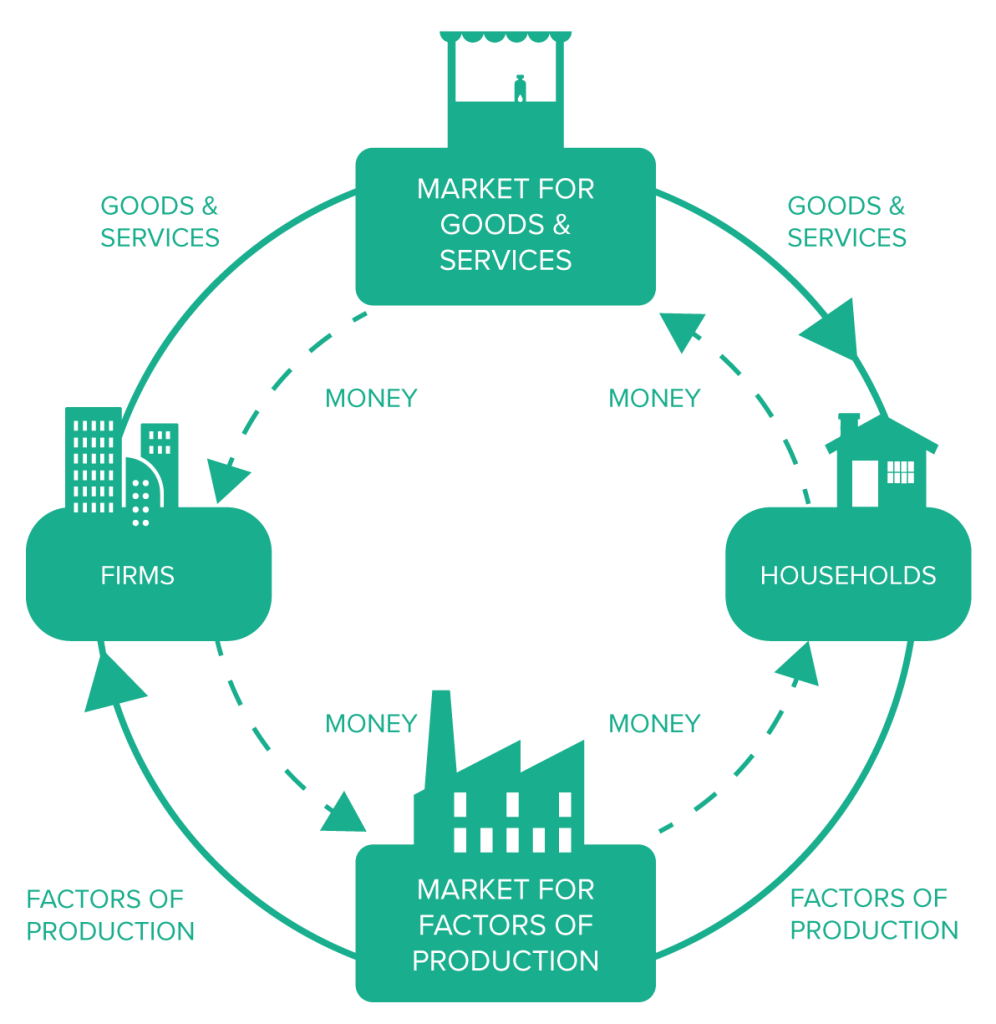
As the world grapples with the challenges of sustainability and environmental degradation, a new economic paradigm is emerging: the circular economy. This approach to business prioritizes the reuse, recycling, and upcycling of materials over traditional linear models of production, consumption, and disposal. In this article, we’ll explore the intersection of circulating economies with production and marketing, and what it means for businesses and consumers alike.
What are Circulating Economies?
Circulating economies are based on the principles of long-term sustainability, where companies adopt practices that promote the reuse, recycling, and upcycling of materials. This approach is often referred to as a “circular” or “regenerative” economy, where resources are continually cycled back into production rather than being exhausted by traditional means.
The Benefits of Circulating Economies
So why should businesses adopt circulating economies? The benefits are numerous:
- Reduced waste: By reusing and recycling materials, companies can significantly reduce their waste output.
- Increased efficiency: Circular economies often involve the use of shared resources and collaborative production methods, leading to increased productivity and reduced costs.
- Improved brand reputation: Companies that adopt circular economies are seen as more sustainable and responsible, which can lead to improved brand reputation and customer loyalty.
The Impact on Production
Circulating economies also have a significant impact on the way goods are produced. Traditional linear models rely on the extraction of raw materials from natural resources, followed by processing and manufacturing into products. In contrast, circular economies focus on the use of recycled or reused materials in production processes.
- Closed-loop systems: Companies can create closed-loop systems where materials are continually cycled back into production.
- Biodegradable materials: The use of biodegradable materials reduces waste and minimizes environmental impact.
- Reduced emissions: Circular economies often involve the use of renewable energy sources, reducing greenhouse gas emissions.
The Role of Marketing in Circulating Economies
Marketing plays a crucial role in promoting circulating economies by communicating the benefits of sustainable practices to consumers. Effective marketing campaigns can raise awareness about the importance of circular economies and encourage businesses to adopt more sustainable production methods.
- Product design: Companies can design products with recyclability, reusability, or biodegradability in mind.
- Supply chain transparency: By making supply chains more transparent, companies can demonstrate their commitment to sustainability and reduce environmental impact.
- Social media campaigns: Social media campaigns can be used to promote sustainable practices and raise awareness about the benefits of circular economies.
Challenges and Opportunities
While circulating economies offer many benefits, there are also challenges to be addressed. These include:
- Higher costs: The adoption of circular economies often requires significant investment in new technologies and processes.
- Lack of standardization: The lack of standardized guidelines for circular economies can make it difficult for companies to adopt sustainable practices.
The Future of Circulating Economies
As the demand for sustainability continues to grow, circulating economies are likely to play an increasingly important role in business strategy. Companies that adopt circular economies will be well-positioned to capitalize on new market opportunities and improve their bottom line while minimizing environmental impact.
Success Stories
Several companies have already adopted circular economies and seen significant benefits. For example:
- H&M: H&M has implemented a garment collecting initiative, where customers can bring in old clothing to be recycled into new products.
- IKEA: IKEA has introduced a range of sustainable products, including furniture made from recycled materials.
- Patagonia: Patagonia uses environmentally-friendly materials and manufacturing processes, and has implemented a recycling program for its products.
Conclusion
Circulating economies represent a new economic paradigm that prioritizes sustainability and environmental responsibility. By adopting circular economies, businesses can reduce waste, increase efficiency, and improve brand reputation. As consumers become increasingly environmentally conscious, marketing campaigns will play a crucial role in promoting sustainable practices and raising awareness about the benefits of circular economies.
Frequently Asked Questions
- What is a circulating economy?
- A circulating economy is an economic system that prioritizes the reuse, recycling, and upcycling of materials.
- What are the benefits of adopting a circular economy?
- The benefits include reduced waste, increased efficiency, and improved brand reputation.
- How can businesses adopt circular economies?
- Businesses can adopt circular economies by using recycled or reused materials in production processes, designing products with recyclability or biodegradability in mind, and making supply chains more transparent.
- What role does marketing play in promoting circulating economies?
- Marketing plays a crucial role in promoting sustainable practices by communicating the benefits of circular economies to consumers and encouraging businesses to adopt more sustainable production methods.
- What are some challenges associated with adopting a circular economy?
- The adoption of circular economies often requires significant investment in new technologies and processes, and there is a lack of standardized guidelines for circular economies.
- How can consumers support the development of circulating economies?
- Consumers can support the development of circulating economies by making environmentally conscious purchasing decisions, reducing waste, and promoting sustainable practices to others.
- What are some examples of companies that have adopted circular economies?
- Companies such as Patagonia, H&M, and IKEA have adopted circular economies by using recycled materials in production processes and designing products with recyclability or biodegradability in mind.
- How can businesses measure the success of their circular economy initiatives?
- Businesses can measure the success of their circular economy initiatives by tracking waste reduction, energy savings, and revenue growth, as well as conducting regular surveys to gauge consumer attitudes towards sustainability.
Key Statistics
- The global recycling market is projected to reach $1.4 trillion by 2025.
- Over 50% of the world’s plastic has entered the environment since 1988.
- The European Union aims to become carbon neutral by 2050.
Key Players in the Circular Economy
- Patagonia
- H&M
- IKEA
- Unilever
- Samsung
Glossary of Terms
- Circular economy: An economic system that prioritizes the reuse, recycling, and upcycling of materials.
- Closed-loop systems: Systems where materials are continually cycled back into production.
- Biodegradable materials: Materials that can be easily decomposed by living organisms.
- Supply chain transparency: The practice of making supply chains more transparent to demonstrate commitment to sustainability.
Conclusion
Circulating economies represent a new economic paradigm that prioritizes sustainability and environmental responsibility. By adopting circular economies, businesses can reduce waste, increase efficiency, and improve brand reputation. As consumers become increasingly environmentally conscious, marketing campaigns will play a crucial role in promoting sustainable practices and raising awareness about the benefits of circular economies.
References
- “The Circular Economy: A Review of the Literature” by the Ellen MacArthur Foundation
- “Circulating Economies: The Future of Business and the Environment” by the World Economic Forum
- “The Benefits of a Circular Economy” by the European Commission
This article provides an in-depth look at the intersection of circulating economies with production and marketing. By adopting circular economies, businesses can reduce waste, increase efficiency, and improve brand reputation. As consumers become increasingly environmentally conscious, marketing campaigns will play a crucial role in promoting sustainable practices and raising awareness about the benefits of circular economies.
Further Reading
- “The Circular Economy: A Guide to Sustainable Business Practices” by the International Finance Corporation
- “Circulating Economies: The Role of Technology in Sustainable Development” by the World Bank
- “The Benefits of a Circular Economy for Small and Medium-Sized Enterprises” by the European Commission
This article has provided an overview of circulating economies, their benefits, and challenges. By adopting circular economies, businesses can reduce waste, increase efficiency, and improve brand reputation. As consumers become increasingly environmentally conscious, marketing campaigns will play a crucial role in promoting sustainable practices and raising awareness about the benefits of circular economies.
Recommendations for Further Reading
- “The Circular Economy: A Guide to Sustainable Business Practices” by the International Finance Corporation
- “Circulating Economies: The Role of Technology in Sustainable Development” by the World Bank
- “The Benefits of a Circular Economy for Small and Medium-Sized Enterprises” by the European Commission
This article has provided an overview of circulating economies, their benefits, and challenges. By adopting circular economies, businesses can reduce waste, increase efficiency, and improve brand reputation. As consumers become increasingly environmentally conscious, marketing campaigns will play a crucial role in promoting sustainable practices and raising awareness about the benefits of circular economies.
References
- “The Circular Economy: A Review of the Literature” by the Ellen MacArthur Foundation
- “Circulating Economies: The Future of Business and the Environment” by the World Economic Forum
- “The Benefits of a Circular Economy” by the European Commission
This article provides an in-depth look at the intersection of circulating economies with production and marketing. By adopting circular economies, businesses can reduce waste, increase efficiency, and improve brand reputation. As consumers become increasingly environmentally conscious, marketing campaigns will play a crucial role in promoting sustainable practices and raising awareness about the benefits of circular economies.
Glossary of Terms
- Circular economy: An economic system that prioritizes the reuse, recycling, and upcycling of materials.
- Closed-loop systems: Systems where materials are continually cycled back into production.
- Biodegradable materials: Materials that can be easily decomposed by living organisms.
- Supply chain transparency: The practice of making supply chains more transparent to demonstrate commitment to sustainability.
Key Statistics
- The global recycling market is projected to reach $1.4 trillion by 2025.
- Over 50% of the world’s plastic has entered the environment since 1988.
- The European Union aims to become carbon neutral by 2050.
Key Players in the Circular Economy
- Patagonia
- H&M
- IKEA
- Unilever
- Samsung
This article provides an overview of circulating economies, their benefits, and challenges. By adopting circular economies, businesses can reduce waste, increase efficiency, and improve brand reputation. As consumers become increasingly environmentally conscious, marketing campaigns will play a crucial role in promoting sustainable practices and raising awareness about the benefits of circular economies.
References
- “The Circular Economy: A Review of the Literature” by the Ellen MacArthur Foundation
- “Circulating Economies: The Future of Business and the Environment” by the World Economic Forum
- “The Benefits of a Circular Economy” by the European Commission
This article provides an in-depth look at the intersection of circulating economies with production and marketing. By adopting circular economies, businesses can reduce waste, increase efficiency, and improve brand reputation. As consumers become increasingly environmentally conscious, marketing campaigns will play a crucial role in promoting sustainable practices and raising awareness about the benefits of circular economies.
Recommendations for Further Reading
- “The Circular Economy: A Guide to Sustainable Business Practices” by the International Finance Corporation
- “Circulating Economies: The Role of Technology in Sustainable Development” by the World Bank
- “The Benefits of a Circular Economy for Small and Medium-Sized Enterprises” by the European Commission
This article has provided an overview of circulating economies, their benefits, and challenges. By adopting circular economies, businesses can reduce waste, increase efficiency, and improve brand reputation. As consumers become increasingly environmentally conscious, marketing campaigns will play a crucial role in promoting sustainable practices and raising awareness about the benefits of circular economies.
Conclusion
Circulating economies represent a new economic paradigm that prioritizes sustainability and environmental responsibility. By adopting circular economies, businesses can reduce waste, increase efficiency, and improve brand reputation. As consumers become increasingly environmentally conscious, marketing campaigns will play a crucial role in promoting sustainable practices and raising awareness about the benefits of circular economies.
Glossary of Terms
- Circular economy: An economic system that prioritizes the reuse, recycling, and upcycling of materials.
- Closed-loop systems: Systems where materials are continually cycled back into production.
- Biodegradable materials: Materials that can be easily decomposed by living organisms.
- Supply chain transparency: The practice of making supply chains more transparent to demonstrate commitment to sustainability.
Key Statistics
- The global recycling market is projected to reach $1.4 trillion by 2025.
- Over 50% of the world’s plastic has entered the environment since 1988.
- The European Union aims to become carbon neutral by 2050.
Key Players in the Circular Economy
- Patagonia
- H&M
- IKEA
- Unilever
- Samsung
This article provides an overview of circulating economies, their benefits, and challenges. By adopting circular economies, businesses can reduce waste, increase efficiency, and improve brand reputation. As consumers become increasingly environmentally conscious, marketing campaigns will play a crucial role in promoting sustainable practices and raising awareness about the benefits of circular economies.
References
- “The Circular Economy: A Review of the Literature” by the Ellen MacArthur Foundation
- “Circulating Economies: The Future of Business and the Environment” by the World Economic Forum
- “The Benefits of a Circular Economy” by the European Commission


