
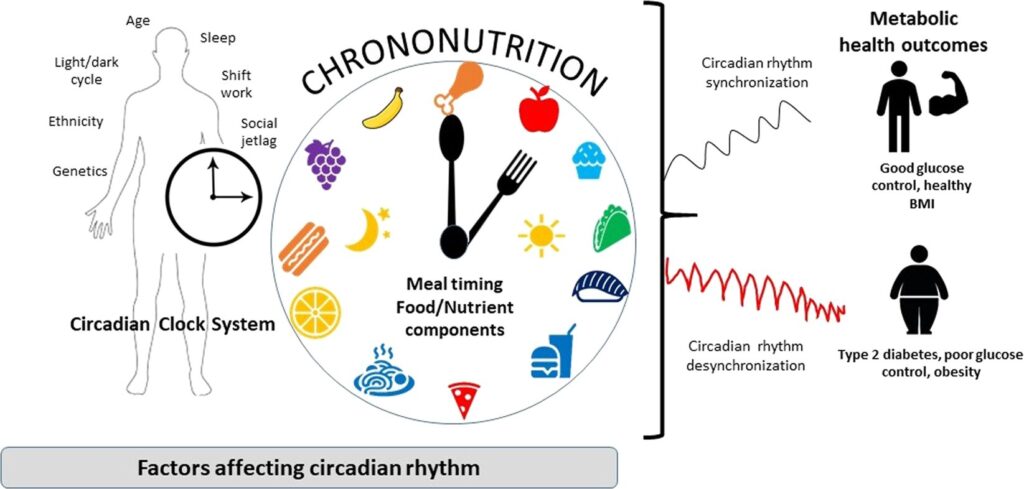
As humans, we have an internal biological clock that regulates our bodily functions, from heart rate to digestion. However, with the increasing demands of modern life, many of us have lost touch with this natural rhythm and are left feeling disconnected from our bodies.
What are Circadian Rhythms?
Circadian rhythms refer to the internal processes that occur in living organisms, including humans, over a 24-hour period. These rhythms are controlled by an internal “clock” called the suprachiasmatic nucleus (SCN), which responds to light and darkness signals from the environment.
Think of your body’s internal clock as an orchestra conductor, providing the timing for all the different organs and systems to work together in harmony. When these rhythms are disrupted, it can lead to a range of problems, from fatigue and insomnia to digestive issues and even mental health concerns.
Why are Circadian Rhythms Important?
Understanding and respecting our circadian rhythms is crucial for maintaining good health and well-being. Here are some reasons why:
- Our bodies have natural peaks and valleys in terms of energy levels, hormone production, and metabolism. By aligning our daily activities with these rhythms, we can optimize our performance and reduce stress.
- Disruptions to our circadian rhythms have been linked to an increased risk of chronic diseases, such as heart disease, diabetes, and certain types of cancer.
- Our bodies are programmed to respond to light and darkness signals from the environment. By respecting these natural cues, we can improve our sleep quality, reduce eye strain, and even boost our mood.
The Connection between Circadian Rhythms and Nutrition
Our eating habits play a significant role in maintaining our circadian rhythms. Here’s how:
- Our bodies have natural cycles of hunger and fullness, which are regulated by hormones such as insulin and leptin.
- Eating at the right times can help regulate these hormone cycles, leading to improved digestion, reduced inflammation, and even weight management.
- A well-balanced diet that takes into account our circadian rhythms can also support overall health and well-being.
The Impact of Circadian Rhythms on Our Organs
Our organs have unique rhythms that are influenced by our circadian cycles. Here’s how:
- The pancreas, for example, produces insulin and glucagon in response to light and darkness signals.
- The liver and kidneys also have natural cycles of activity, which can be disrupted by factors such as sleep deprivation or stress.
The Importance of Respect Nature: Sleep
Getting enough sleep is essential for maintaining our circadian rhythms. When we don’t get enough rest, it can disrupt our internal clock and lead to a range of problems.
Here are some tips for improving your sleep:
- Establish a consistent bedtime routine to signal to your body that it’s time to sleep.
- Create a relaxing sleep environment by reducing noise, light, and temperature extremes.
- Avoid stimulating activities before bedtime, such as watching TV or scrolling through social media.
The Connection between Circadian Rhythms and Mental Health
Our mental health is deeply connected to our circadian rhythms. When we disrupt these natural cycles, it can lead to a range of problems, including:
- Anxiety and depression
- Mood swings and irritability
- Difficulty concentrating and memory problems
Here are some tips for maintaining good mental health in relation to our circadian rhythms:
- Establish a consistent sleep schedule to regulate your mood and reduce stress.
- Engage in physical activity during the day to boost your energy levels and improve your mood.
- Practice relaxation techniques, such as deep breathing or meditation, to manage stress and anxiety.
The Role of Technology in Our Circadian Rhythms
Technology plays a significant role in our circadian rhythms. Here’s how:
- Smartphones and computers can disrupt our natural sleep patterns by emitting blue light that suppresses melatonin production.
- Social media can also interfere with our circadian rhythms by stimulating us to stay up late.
- The use of electronic devices can lead to sleep deprivation, which can have serious consequences for our health and well-being.
Tips for Maintaining a Healthy Circadian Rhythm
Here are some tips for maintaining a healthy circadian rhythm:
- Establish a consistent bedtime routine to signal to your body that it’s time to sleep.
- Create a relaxing sleep environment by reducing noise, light, and temperature extremes.
- Avoid stimulating activities before bedtime, such as watching TV or scrolling through social media.
- Engage in physical activity during the day to boost your energy levels and improve your mood.
- Practice relaxation techniques, such as deep breathing or meditation, to manage stress and anxiety.
Conclusion
In conclusion, our circadian rhythms play a crucial role in maintaining good health and well-being. By understanding and respecting these natural cycles, we can optimize our performance, reduce stress, and even boost our mental health. So next time you’re feeling tired or sluggish, take a step back and tune into your internal clock – your body will thank you.
Frequently Asked Questions (FAQs)
- What are the benefits of following a circadian rhythm?
- Improved sleep quality
- Enhanced physical performance
- Reduced stress and anxiety
- Improved digestion and metabolism
- How can I improve my sleep quality?
- Establish a consistent bedtime routine
- Create a relaxing sleep environment
- Avoid stimulating activities before bedtime
- What are the consequences of disrupting our circadian rhythms?
- Fatigue and insomnia
- Digestive issues and metabolic problems
- Increased risk of chronic diseases
- How can I maintain good mental health in relation to my circadian rhythms?
- Establish a consistent sleep schedule
- Engage in physical activity during the day
- Practice relaxation techniques


