
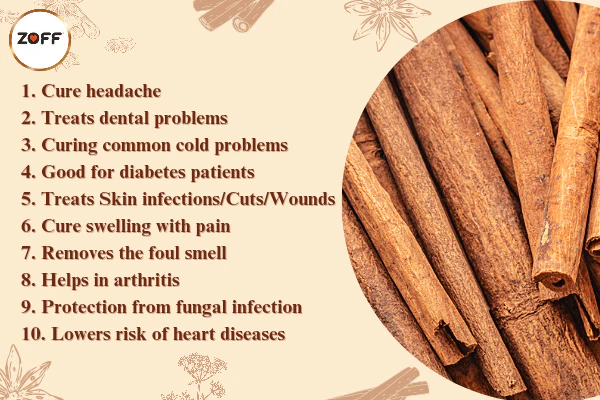
Cinnamon, also known as cinnamomum or technically Cinnamomum verum, is an evergreen tree native to Sri Lanka from which the eponymous spice is derived. This versatile spice has been a staple in Italian cuisine for centuries, prized for its unique blend of dry, pungent, and sweet aromas.
What is Cinnamon?
Unlike other spices, cinnamon does not come from seeds or fruit; instead, it’s obtained from the bark and twigs of the tree. These strips, once freed from their outer resinous coating and processed, take on the classic appearance of a small, fragrant parchment-like material with a dark brown color, reminiscent of nuts.
Cinnamon is available in two forms: whole sticks or powder. The oil extracted from cinnamon bark through maceration in sea water and subsequent distillation is also less commonly used in cooking but more widely employed as a natural remedy for various health issues.
The Power of Cinnamon
With its potent antioxidant properties, exceeding 62 times those of an apple, cinnamon has long been used as a natural remedy against colds, as well as an antibacterial and antispasmodic agent. Studies have shown that cinnamon can lower cholesterol levels and triglycerides, contributing to alleviating hypertension-related issues, while also possessing an anti-respiratory function.
Moreover, research suggests that cinnamon plays a role in regulating blood sugar post-prandially for both obese and normal-weight individuals, with its antimicrobial properties enhancing peripheral circulation. Cinnamon is widely used in Ayurvedic medicine due to these properties.
A 2011 study published by the University of Tel Aviv discovered that an extract from cinnamon may inhibit Alzheimer’s disease development. Led by Dr. Michael Ovadia, this study was featured in PLoS One.
Using Cinnamon
Beyond traditional cooking applications like sweet baked goods and marmalades, cinnamon also has alternative uses; you can use it to make natural perfumes, deodorants, or homemade soap. For more specific recipes, refer to the provided guides on making natural scrubs, fragrances, soaps, fruit preserves, and fig jam.
Some of the most popular ways to incorporate cinnamon into your daily routine include:
- Adding it to your morning coffee: Mixing a pinch of cinnamon powder with your morning coffee can help regulate blood sugar levels and boost energy.
- Using it in baking: Cinnamon is an essential spice in many baked goods, including cakes, cookies, and muffins. It adds a warm and comforting flavor that’s perfect for the holiday season.
- Making natural perfumes: Cinnamon oil can be used to create a unique and invigorating perfume blend. Simply mix it with other essential oils like lavender or rosemary for a refreshing scent.
- Using it in skincare: Cinnamon has antibacterial properties that make it an effective ingredient in homemade skincare products. Mix it with olive oil and honey to create a soothing face mask.
Tips for Storing Cinnamon
To preserve the aromatic properties of cinnamon sticks, store them in tightly sealed glass containers away from heat sources and light.
When storing whole sticks of cinnamon, make sure to:
- Keep them dry: Moisture can cause the spice to become stale and lose its flavor.
- Avoid direct sunlight: Direct sunlight can cause the spice to degrade quickly.
- Use airtight containers: This will help keep the spice fresh for longer.
Infusing with Cinnamon
For those who do not want to use cinnamon as a spice blend with other ingredients can create an infusion. Simply place the cinnamon stick in a cup and add boiling water, then let it infuse for 15 minutes before straining the liquid.
This natural drink can be consumed both morning and evening on an empty stomach. It’s said to help regulate blood sugar levels, reduce inflammation, and promote digestion.
Frequently Asked Questions
Q: What are some alternative uses of cinnamon beyond cooking?
A: Cinnamon has several alternative uses such as making perfumes, deodorants, or homemade soap.
Q: Can I consume the powder form of cinnamon for health benefits?
A: While some powdered forms can be used in baking, it’s recommended to use whole sticks or buy a high-quality oil extract from the bark for maximum antioxidant properties.
Q: Is it safe to use cinnamon if I have sensitive skin?
A: Cinnamon is not recommended as it can cause skin irritation and allergic reactions due to its intense aroma and spice content.
Q: Can I grow my own cinnamon tree or purchase it in local markets?
A: While cinnamon trees are native to Sri Lanka, they’re also cultivated in many tropical regions around the world. However, the majority of commercially available cinnamon is obtained from plantations in Indonesia and Sri Lanka, making them a more accessible choice for consumers.
Q: How do I properly store whole sticks of cinnamon?
A: Whole sticks should be stored in tightly sealed glass containers away from heat sources and light to preserve their fragrance.
Q: Can I make my own homemade soap using cinnamon oil or powder?
A: Yes, but ensure proper usage instructions are followed for both the safe extraction process and handling the resulting soap product.
Q: How can I use cinnamon to boost digestion?
A: Cinnamon can help in improving digestion by reducing inflammation in the digestive tract. However, it’s always recommended to consult with a healthcare professional before taking any new supplement or making significant changes to your diet.
Q: What precautions should be taken when consuming cinnamon oil?
A: Always follow proper usage guidelines and start with small amounts as excessive consumption may lead to adverse reactions.
Q: Is there an age limit for using cinnamon for its benefits?
A: As long as the individual is in good health, there’s no specific age limit on consuming or using cinnamon for its medicinal properties.


