
Introduction
The Cineraria, also known as Senecio, is a genus of plants native to the Canary Islands. It belongs to the Asteraceae family and is widely distributed across the globe, even in regions with diverse climates. This versatile plant has been cultivated for various purposes and comes in many different varieties.
Varieties of Cineraria
The Cineraria has numerous varieties, each with unique characteristics. Two of the most common species are the Maritima and the Cruenta. The Maritima is widely appreciated for its adaptability to garden conditions, both in ground and in containers. It features a cespugious growth habit, making it an ideal choice for ornamental purposes. Its white-silver foliage, covered with fine hairs, creates a striking appearance.
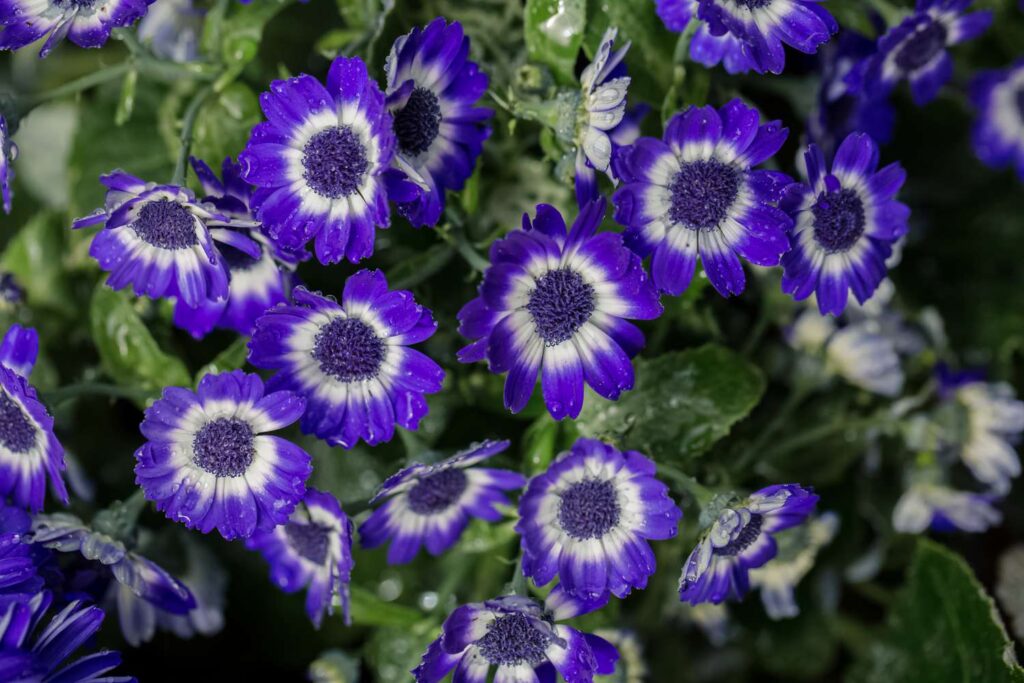
The Cineraria maritima has succulent-like properties, often used to decorate gardens and terraces. When exposed to the Mediterranean climate, it produces visually appealing reflections, even when blanketed by wind and sea spray. The Cruenta variety is highly sought after for its vibrant blue flowers, which can also appear in shades of celestial or rose. However, it’s worth noting that the most widely cultivated species, Cineraria cruenta, boasts a predominantly blue hue.
The Grandiflora, Multiflora nana, and Stellata are examples of hybridized varieties, bred to emphasize their scenic and ornamental features. These hybrids also exhibit differences in size, with smaller varieties more suitable for container cultivation. Even the smallest plants maintain the characteristic fronded and lobe-shaped leaves typical of Cineraria.
Characteristics of Cineraria
The Cineraria is a highly adaptable plant that thrives in various conditions. It belongs to the same genus as other Senecio species, which range from annuals to perennials, shrubs to small trees. The leaves are elongated and lobe-shaped, reducing in size towards the end of the stem.
During flowering season, nearly all leaves disappear, replaced by a profusion of flowers. These can be monochromatic, displaying shades such as golden yellow, crimson red, azure blue, or radiant violet. While some inflorescences display bicolor patterns, most are predominantly single-colored.
Cultivation of Cineraria
To cultivate the Cineraria in full ground, it’s recommended to choose a suitable variety, such as Senecio Cruentus. Like other varieties, this plant requires adequate light but should not be exposed to direct sunlight or excessive heat. It prefers cooler temperatures and well-draining fertile soil.
For optimal growth, it’s best to plant the Cineraria in springtime, choosing well-drained soil with adequate nutrients. If you live in an area prone to frost, consider growing the plant indoors before transplanting to outdoor conditions to prevent damage.
In all seasons, regular watering is necessary but must be balanced, avoiding overwatering that can lead to stagnation. Pruning is essential for varieties exhibiting cespugious or arbustive growth habits, providing aesthetic appeal as well.
Cineraria in Vase
If you’re new to growing Cineraria in containers, it’s relatively easy and straightforward. Choose a potting mix rich in organic matter like peat moss and perlite to ensure good drainage.
The ideal temperature for the plant is above 15°C (59°F). Place it away from direct sunlight and heating sources. Avoid exposing it to cold air drafts or frosty temperatures, as this can reduce its lifespan.
Properties of Cineraria
The Maritima variety is particularly prized for its medicinal properties, making it a valued official herb in traditional medicine. Its applications include treating eye issues such as conjunctivitis and iritis with ointments. It’s also used in homeopathy for various eye problems including fatigue and increased sensitivity.
Propagation of Cineraria
Cineraria plants can be propagated through division, seed, or layering. The best method depends on the desired outcome and the individual plant’s growth habits.
Division is a popular method among experienced gardeners, as it allows for precise control over the number of roots and the shape of the new plants. This technique also promotes healthy root growth and encourages vigorous flowering.
Seed propagation can be more challenging, especially for hybridized varieties, which often require specific growing conditions to germinate. However, it’s a cost-effective method that can provide a high success rate with proper care.
Layering is another effective way to propagate Cineraria plants. This technique involves bending the stem of the plant down towards the soil and covering it with mulch or a container filled with soil. Over time, roots will develop on the buried section of the stem, allowing for easy separation from the parent plant.
Common Problems with Cineraria
While Cineraria is generally an easy-to-grow plant, it’s not immune to problems that can affect its health and appearance. Some common issues include:
- Root bound: If the roots become too large for their container, the plant may begin to decline.
- Overwatering: Too much water can cause the roots to rot, leading to root death and reduced flowering.
- Pests: Aphids, whiteflies, and spider mites are common pests that can infest Cineraria plants.
To prevent or treat these problems, it’s essential to monitor your plant’s health regularly and take prompt action when necessary.
Conclusion
The Cineraria is an incredibly versatile plant that thrives across a range of environments, making it perfect for gardeners seeking a variety to add to their collection. With numerous varieties to choose from, you’re sure to find the perfect fit for your space and needs. Whether you prefer its striking appearance or its medicinal properties, the Cineraria is an excellent choice for any gardener looking to expand their plant knowledge.
Tips and Tricks
- When growing Cineraria in containers, ensure the potting mix remains moist but not waterlogged.
- Provide support for climbing varieties to prevent them from becoming leggy or top-heavy.
- Regular pruning can help maintain the shape of your Cineraria plant and encourage more flowering.
- Experiment with different fertilizers and mulch types to optimize soil quality and reduce pests.
By following these tips and understanding the unique characteristics of the Cineraria, you’ll be well on your way to becoming a successful gardener.


