
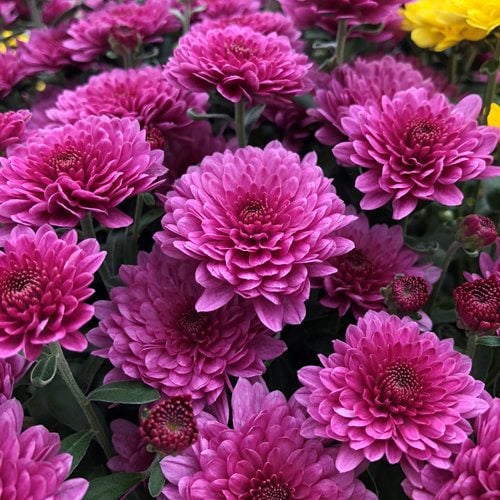
As the seasons change and winter sets in, many of us turn to the classic symbol of chrysanthemum to bring a touch of warmth and comfort into our lives. But beyond its association with autumnal hues, this beloved flower has a rich history and meaning that spans cultures and continents.
In this article, we’ll delve into the world of chrysanthemum, exploring its various species, cultivation methods, and significance in different parts of the globe.
Varieties of Chrysanthemum
With over 200 species to choose from, chrysanthemums come in a stunning array of colors, shapes, and sizes. Some popular varieties include:
- White Chrysanthemum: Producing delicate white blooms, this variety is ideal for adding a touch of elegance to any garden or arrangement.
- Yellow Chrysanthemum: Brightening up even the darkest corners, these vibrant yellow flowers are sure to bring a smile to your face.
- Tricolor Chrysanthemum: With its striking combination of colors, this variety is perfect for adding a pop of color to your garden or decor.
Cultivating Chrysanthemums
Whether you’re a seasoned gardener or just starting out, chrysanthemums are relatively easy to cultivate. Here are some tips to get you started:
- Planting: In the spring, plant seeds indoors 6-8 weeks before the last frost date in your area.
- Soil: Chrysanthemums prefer well-draining soil with a pH between 6.0 and 7.0.
- Watering: Keep the soil consistently moist during the first few months after planting, then reduce watering to once a week.
The Significance of Chrysanthemum
In many Asian cultures, chrysanthemums are associated with longevity, honor, and loyalty. In fact, they’re often referred to as the “flower of immortality.” But their significance extends beyond these cultural nuances:
- Symbolism: Chrysanthemums have been used in traditional medicine for centuries, valued for their antibacterial and anti-inflammatory properties.
- Folklore: According to legend, a young girl’s tears were said to be the source of the flower’s healing powers.
Chrysanthemum in Japanese Culture
In Japan, chrysanthemums are deeply ingrained in the culture and have been used for centuries as a symbol of good luck and prosperity. The flower is often depicted in art and literature, and its beauty has inspired countless poets and artists.
- Seasonal Symbolism: In Japan, chrysanthemums are associated with the fall season, symbolizing the harvest and the changing of the seasons.
- Royal Significance: Chrysanthemums have been a favorite flower of Japanese royalty for centuries, often used in ceremonies and rituals to mark important life events.
Chrysanthemum in Chinese Culture
In China, chrysanthemums are associated with longevity and honor, making them a popular choice for weddings and other special occasions. The flower is also valued for its medicinal properties, used in traditional medicine to treat a range of ailments.
- Symbolism: In Chinese culture, chrysanthemums symbolize loyalty, dedication, and perseverance.
- Seasonal Significance: Chrysanthemums are often associated with the autumn season, marking the end of summer and the beginning of winter.
Chrysanthemum in Western Culture
In Western cultures, chrysanthemums have long been prized for their beauty and symbolic meaning. The flower has been used in arrangements and bouquets to add a touch of elegance and sophistication.
- Seasonal Significance: In Western cultures, chrysanthemums are often associated with the fall season, symbolizing the harvest and the changing of the seasons.
- Symbolism: Chrysanthemums have been used as a symbol of gratitude and appreciation in Western cultures, often given as a gift to express thanks and admiration.
Caring for Your Chrysanthemum
To keep your chrysanthemum looking its best, follow these simple care tips:
- Watering: Keep the soil consistently moist during the first few months after planting, then reduce watering to once a week.
- Fertilizing: Feed your chrysanthemum with a balanced fertilizer once a month to promote healthy growth and blooming.
- Pruning: Prune your chrysanthemum regularly to maintain its shape and encourage new growth.
Conclusion
Chrysanthemums are a beautiful and meaningful flower that has been cherished for centuries. Whether you’re looking to cultivate these lovely blooms in your garden or simply want to appreciate their beauty, there’s no denying the significance of this classic flower. By understanding the history, symbolism, and care requirements of chrysanthemum, you can deepen your appreciation for this timeless treasure.


