
Introduction
In today’s world of smart home devices, thermostats are one of the most underrated heroes. Not only do they help you save energy, but they also improve your comfort and reduce your environmental impact. But what exactly is a thermostat, and how does it work? In this article, we’ll delve into the world of thermostats, exploring their features, benefits, and types.
What is a Thermostat?
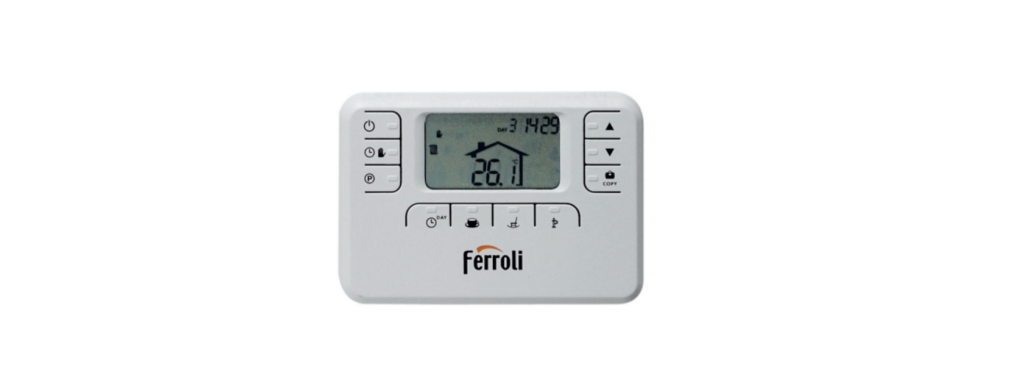
A thermostat is an electronic device that regulates the temperature in a room or building. It uses sensors to monitor the current temperature and compares it to a set point, adjusting the heating or cooling system accordingly. In simple terms, a thermostat acts as a “brain” for your heating and cooling system, making sure it runs efficiently and effectively.
Types of Thermostats
There are two main types of thermostats: traditional and smart. Traditional thermostats use a simple on/off switch to control the heating and cooling system, while smart thermostats can learn your schedule and preferences to optimize energy usage.
Smart thermostats can be further divided into two subcategories:
- Programmable Thermostats: These thermostats allow you to program a temperature schedule, setting it to heat or cool at specific times of the day.
- Wi-Fi Thermostats: These thermostats connect to your Wi-Fi network and can be controlled remotely using a smartphone app.
How Does a Thermostat Work?
A thermostat consists of several components:
- Temperature Sensor: This sensor measures the current temperature in the room or building.
- Microcontroller: This tiny computer processes the temperature data and compares it to the set point.
- Heating/Cooling System: The heating or cooling system is controlled by the thermostat, using a combination of sensors and actuators.
When you set the temperature on your thermostat, it sends a signal to the microcontroller, which adjusts the heating or cooling system accordingly. In smart thermostats, this process can be optimized using advanced algorithms and machine learning techniques.
Benefits of Using a Thermostat
Using a thermostat can have numerous benefits, including:
- Energy Savings: By regulating the temperature, you can reduce energy consumption and lower your utility bills.
- Comfort: A thermostat ensures that your home is always at a comfortable temperature, whether you’re hot or cold.
- Environmental Benefits: By reducing energy consumption, you’re also reducing your carbon footprint.
How to Choose the Right Thermostat
With so many options available, choosing the right thermostat can be overwhelming. Here are some factors to consider:
- Budget: Thermostats can range from under $20 to over $200.
- Smart Features: Do you want a programmable or Wi-Fi-enabled thermostat?
- Energy Efficiency: Look for thermostats with high energy efficiency ratings.
Thermostat Types: Smart, Programmable, and Wi-Fi
Here’s a brief overview of each type:
- Smart Thermostats: These thermostats use advanced algorithms to optimize energy usage and can be controlled remotely using a smartphone app.
- Programmable Thermostats: These thermostats allow you to program a temperature schedule, setting it to heat or cool at specific times of the day.
- Wi-Fi Thermostats: These thermostats connect to your Wi-Fi network and can be controlled remotely using a smartphone app.
Thermostat Features: What to Look For
When shopping for a thermostat, consider the following features:
- Remote Control: Can you control the thermostat from another room or even from your phone?
- Smart Home Integration: Does the thermostat integrate with other smart home devices?
- Energy Efficiency: Is the thermostat energy-efficient and eco-friendly?
Thermostat FAQs
Here are some frequently asked questions about thermostats:
Q: How does a thermostat work?
A: A thermostat works by using sensors to monitor the current temperature and comparing it to a set point, adjusting the heating or cooling system accordingly.
Q: What is the difference between a smart and programmable thermostat?
A: A smart thermostat uses advanced algorithms to optimize energy usage, while a programmable thermostat allows you to program a temperature schedule.
Q: Can I control my thermostat remotely using a smartphone app?
A: Yes, many modern thermostats can be controlled remotely using a smartphone app.
Conclusion
In conclusion, thermostats are an essential component of any smart home system. By understanding how they work and choosing the right type for your needs, you can enjoy energy savings, comfort, and environmental benefits. Remember to consider factors like budget, smart features, and energy efficiency when selecting a thermostat.
Frequently Asked Questions
Q: How do I install a thermostat?
A: Installation typically involves connecting the thermostat to your heating or cooling system and configuring it using a smartphone app or remote control.
Q: Can I use a thermostat with my existing HVAC system?
A: Yes, most thermostats are compatible with existing HVAC systems. Consult your manufacturer’s instructions for specific installation requirements.
Q: How often should I replace my thermostat?
A: The lifespan of a thermostat varies depending on the type and quality. Typically, smart thermostats can last up to 10 years, while programmable thermostats may need to be replaced every 5-7 years.
Q: Can I use a thermostat with my existing power grid?
A: Yes, most modern thermostats are designed to work seamlessly with your existing power grid. However, consult your manufacturer’s instructions for specific requirements.
Q: How can I optimize the performance of my thermostat?
A: To optimize the performance of your thermostat, ensure it is properly installed and configured, use energy-efficient settings, and consider upgrading to a smart thermostat if you have an older model.
Q: Can I integrate multiple thermostats with my home automation system?
A: Yes, many modern thermostats can be integrated with popular home automation systems like Amazon Alexa or Google Home. Consult your manufacturer’s instructions for specific integration requirements.
Thermostat Maintenance
Proper maintenance is essential to ensure the optimal performance of your thermostat. Here are some tips:
- Regular Cleaning: Clean the thermostat regularly to remove dust and debris that can affect its accuracy.
- Battery Replacement: Replace batteries in programmable thermostats every 6-12 months, or as indicated by the manufacturer.
- Software Updates: Keep your thermostat’s software up-to-date to ensure it receives the latest security patches and features.
Thermostat Troubleshooting
If you encounter any issues with your thermostat, here are some troubleshooting steps:
- Check for Power Issues: Ensure that the thermostat is receiving power from a reliable source.
- Verify Thermostat Settings: Check that the thermostat settings are correct, including temperature settings and schedule programming.
- Reset Thermostat: If necessary, reset the thermostat to its default settings.
Thermostat Security
When it comes to security, thermostats can be vulnerable to hacking or tampering. Here are some tips to ensure your thermostat’s security:
- Use Strong Passwords: Use strong passwords and keep them confidential.
- Keep Software Up-to-Date: Regularly update your thermostat’s software to patch security vulnerabilities.
- Monitor for Suspicious Activity: Keep an eye out for suspicious activity on your thermostat, such as unusual energy usage or unauthorized changes.
Conclusion
In conclusion, thermostats are a crucial component of any smart home system. By understanding how they work, choosing the right type for your needs, and maintaining them properly, you can enjoy energy savings, comfort, and environmental benefits. Remember to consider factors like budget, smart features, and energy efficiency when selecting a thermostat.
Additional Resources
For further information on thermostats, we recommend the following resources:
- National Institute of Building Sciences: A great resource for learning more about thermal loads, HVAC systems, and energy-efficient design.
- U.S. Department of Energy: Offers guidance on energy-efficient home upgrades, including thermostat installation and maintenance.
- Smart Home Forum: An online community where you can connect with other smart home enthusiasts and learn from their experiences.
Thermostat Comparison Chart
Here’s a comparison chart to help you choose the right thermostat for your needs:
| Feature | Smart Thermostats | Programmable Thermostats | Wi-Fi Thermostats |
|---|---|---|---|
| Energy Efficiency | High | Medium | High |
| Remote Control | Yes | No | Yes |
| Smart Home Integration | Yes | No | Yes |
| Battery Replacement Required | Yes | Yes | No |
| Software Updates Required | Yes | Yes | Yes |
Final Thoughts
In the world of smart home technology, thermostats are an essential component. By understanding how they work, choosing the right type for your needs, and maintaining them properly, you can enjoy energy savings, comfort, and environmental benefits.


