
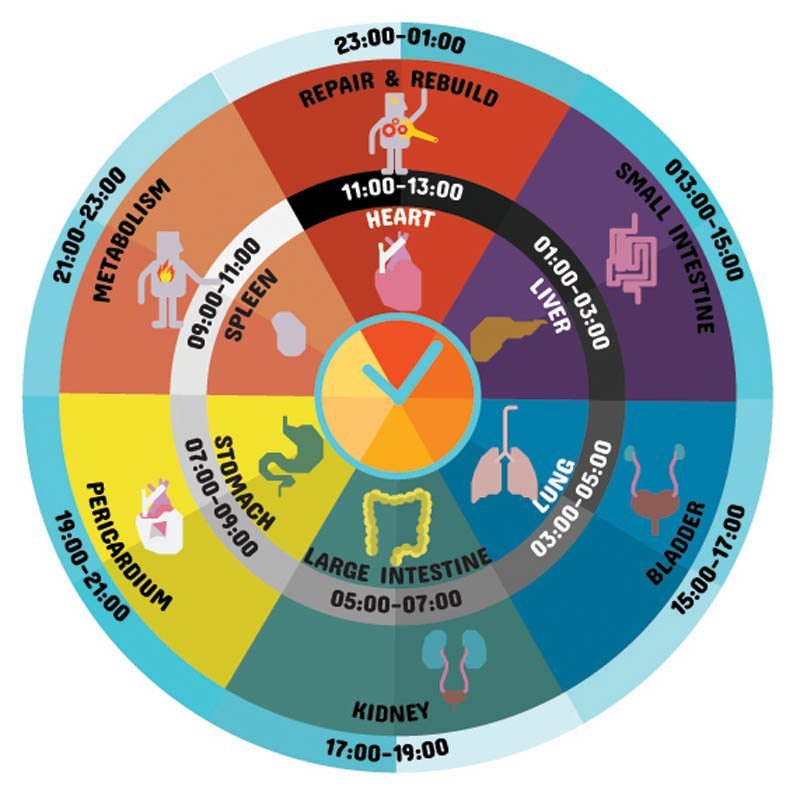
Understanding the Importance of Chronobiology
As we navigate our daily lives, it’s easy to overlook the intricate mechanisms that govern our bodies. However, chronobiology, the study of the biological processes that occur in a cyclical manner, plays a crucial role in maintaining our overall health and well-being. In this article, we’ll delve into the world of chronobiology, exploring its significance, key concepts, and practical applications.
What is Chronobiology?
Chronobiology is an interdisciplinary field that examines the periodic phenomena in living organisms, including humans. It seeks to understand how our bodies respond to external cues, such as light, temperature, and hormonal fluctuations, and how these responses impact our behavior, physiology, and overall health. By studying chronobiology, we can gain insights into the complex interactions between our internal biological clock and the external environment.
The Connection Between Chronobiology and Our Daily Lives
Our daily routines often revolve around the 24-hour circadian cycle, which regulates our sleep-wake patterns, hormone secretion, and various physiological processes. However, this natural rhythm can be disrupted by factors such as:
- Irregular work schedules
- Exposure to artificial light sources
- Unhealthy eating habits
- Lack of physical activity
By understanding how chronobiology affects our daily lives, we can make informed decisions about our routines, nutrition, and overall lifestyle.
Cronobiology and Nutrition: The Importance of Timing
When it comes to nutrition, timing is everything. Our bodies respond differently to food at various times of the day, depending on our internal biological clock. For example:
- Eating a large meal in the evening can disrupt sleep patterns
- Consuming high-carbohydrate foods before bedtime can lead to energy crashes and poor sleep quality
By synchronizing our eating habits with our natural circadian rhythms, we can experience numerous benefits, including improved digestion, increased energy levels, and enhanced mental clarity.
Cronobiology and Hormonal Regulation
Hormones play a vital role in regulating various physiological processes, from growth and development to metabolism and mood. Chronobiology helps us understand how hormonal fluctuations occur throughout the day, influenced by factors such as:
- Light exposure
- Meal timing
- Physical activity
By recognizing these patterns, we can take steps to optimize our hormone regulation, leading to improved overall health and well-being.
Cronobiology and Organ Function
Every organ in our body has its unique rhythm, responding to internal and external cues. By understanding these rhythms, we can:
- Identify optimal times for exercise and physical activity
- Adjust our sleep schedules to maximize rest and relaxation
- Optimize our meal plans to align with our natural circadian cycles
Ritmi Circadiani: The Building Blocks of Chronobiology
The 24-hour circadian cycle is the foundation of chronobiology, but it’s not the only factor at play. We also have infradian rhythms (longer than 24 hours) and ultradian rhythms (shorter than 24 hours), which influence our physiological processes.
Infradian rhythms govern phenomena like menstrual cycles, seasonal migrations, and tidal patterns, while ultradian rhythms regulate processes such as REM sleep, breathing, and hormone secretion.
The Role of Melatonin in Chronobiology
Melatonin is a hormone produced by the pineal gland that regulates our sleep-wake cycle. Its levels typically rise in the evening, promoting relaxation and sleep, and decrease in the morning, allowing us to feel more alert and awake. By understanding how melatonin influences our chronobiological rhythms, we can:
- Develop strategies to improve sleep quality
- Optimize our exposure to light sources to regulate melatonin production
The Impact of Technology on Chronobiology
Our increasing reliance on technology has led to significant changes in our daily routines and interactions with the external environment. For example:
- Artificial lighting: LED lights, smartphones, and computers can suppress melatonin production, disrupting our natural sleep-wake cycles.
- Social media: Exposure to screens before bedtime can lead to a cascade of negative effects on chronobiology.
By acknowledging these factors, we can take steps to mitigate their impact on our chronobiological rhythms and promote overall well-being.
Conclusion
Chronobiology offers a fascinating glimpse into the intricate mechanisms that govern our bodies. By understanding how chronobiology affects our daily lives, nutrition, hormonal regulation, and organ function, we can make informed decisions about our routines, lifestyle choices, and overall health. As we continue to navigate the complexities of modern life, embracing the wisdom of chronobiology can help us unlock our full potential and live healthier, happier lives.
Frequently Asked Questions (FAQs)
- What is the main difference between circadian rhythms and infradian rhythms?
Circadian rhythms refer to the 24-hour cycles that regulate our sleep-wake patterns, hormone secretion, and various physiological processes. Infradian rhythms are longer than 24 hours and govern phenomena like menstrual cycles, seasonal migrations, and tidal patterns. - How can I optimize my nutrition based on chronobiology?
By understanding how our bodies respond to food at different times of the day, we can synchronize our eating habits with our natural circadian rhythms. For example, eating a light breakfast in the morning and avoiding heavy meals before bedtime. - What are some common ways that artificial light exposure affects chronobiology?
Artificial light sources, especially those emitting blue light, can suppress melatonin production, leading to disrupted sleep patterns and other health issues. - How can I use chronobiology to optimize my exercise routine?
By recognizing the natural fluctuations in hormone secretion and energy levels throughout the day, we can adjust our workout schedules to maximize benefits and minimize fatigue. - Can chronobiology help with stress management?
Yes! By understanding how our bodies respond to various stimuli, we can develop strategies to manage stress more effectively, such as timing relaxation techniques with natural circadian rhythms. - How does chronobiology relate to mental health?
Chronobiology has a significant impact on mental health, influencing factors like mood regulation, motivation, and overall well-being. By synchronizing our routines with our internal biological clock, we can reduce stress and anxiety. - What are some common misconceptions about chronobiology?
One common misconception is that chronobiology is only relevant for people with circadian rhythm disorders. However, the principles of chronobiology apply to everyone, regardless of age or health status.
Incorporating Chronobiology into Your Daily Life
Start by tracking your natural rhythms and adjusting your routines accordingly. Experiment with different meal times, exercise schedules, and relaxation techniques to find what works best for you. Remember, small changes can add up over time, leading to a more harmonious balance between our internal biological clock and the external world.
Some practical tips to get you started:
- Keep a sleep diary to track your patterns and identify potential disruptions
- Experiment with different meal times and schedules to optimize nutrition
- Incorporate natural light exposure into your daily routine
- Practice relaxation techniques, such as meditation or deep breathing, during optimal chronobiological periods
By embracing the wisdom of chronobiology, we can unlock the secrets of our bodies and live healthier, happier lives.


