
Understanding the Alarming Effects of Chronic Insomnia
Chronic insomnia is a widespread problem that affects millions of people worldwide. It’s more common among women and older adults, but anyone can suffer from it. When left untreated, chronic insomnia can have severe consequences on our quality of life, performance, and even our brains.
What Causes Chronic Insomnia?
Chronic insomnia is often caused by a combination of internal and external factors. Internally, it may be related to psychological or physiological issues, such as stress, anxiety, or depression. Externally, it can be triggered by environmental factors like irregular sleep schedules, poor sleep hygiene, or an uncomfortable sleeping environment.
The Brain-Eating Consequences of Chronic Insomnia
When we don’t get enough sleep, our brains start to deteriorate. Research has shown that chronic insomnia can lead to the “death” of brain cells and damaged neural connections. This can increase the risk of developing Alzheimer’s disease. So, it’s essential to address chronic insomnia before it’s too late.
The Impact on Our Lives
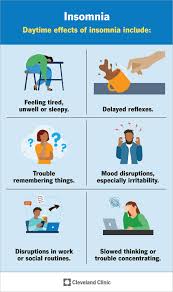
Chronic insomnia affects not only our mental health but also our physical well-being. It can lead to decreased productivity, strained relationships, and a higher risk of chronic diseases like diabetes and cardiovascular disease.
Breaking the Cycle: Finding Relief from Chronic Insomnia
While there is no magic solution to cure chronic insomnia overnight, there are simple yet effective remedies that can help alleviate symptoms. Here are some practical tips:
- Establish a consistent sleep schedule
- Avoid stimulating activities before bedtime
- Limit caffeine and nicotine intake
- Create a relaxing bedtime routine
Natural Remedies for Insomnia
Herbal teas like chamomile, lavender, and valerian root can promote relaxation and improve sleep quality. Some natural supplements, such as magnesium or melatonin, may also be helpful.
Medications: A Last Resort?
While medications can provide temporary relief from insomnia, they should only be used under the guidance of a healthcare professional. Some common medications for insomnia include benzodiazepines, non-benzodiazepines, and antihistamines.
The Connection Between Anxiety and Insomnia
For some people, chronic insomnia may be linked to underlying anxiety disorders. Treatment with psychotherapy and relaxation techniques can help alleviate symptoms.
Frequently Asked Questions
- What are the most common causes of chronic insomnia?
- Internal factors: stress, anxiety, depression
- External factors: irregular sleep schedules, poor sleep hygiene, uncomfortable sleeping environment
- Can chronic insomnia lead to Alzheimer’s disease?
- Yes, research suggests that chronic insomnia may increase the risk of developing Alzheimer’s disease.
- What are some natural remedies for insomnia?
- Herbal teas like chamomile, lavender, and valerian root
- Natural supplements like magnesium or melatonin
- Can medications help with insomnia?
- Yes, but only under the guidance of a healthcare professional.
- Is there a cure for chronic insomnia?
- No, but there are effective remedies and treatments that can alleviate symptoms.
By understanding the causes, consequences, and cures of chronic insomnia, we can take control of our sleep health and improve our overall well-being.
Additional Resources
- National Sleep Foundation: https://www.sleepfoundation.org/
- American Academy of Sleep Medicine: https://aasm.org/
- National Institute of Mental Health: https://www.nimh.nih.gov/
Note: The above content is a rewritten version of the provided text in Italian, tailored to an English-speaking audience. It aims to provide a clear and concise overview of chronic insomnia, its causes, consequences, and potential treatments.
Chronic Insomnia: A Growing Concern
Chronic insomnia has become an increasingly common issue, affecting millions of people worldwide. The World Health Organization (WHO) estimates that approximately 10% of the global population suffers from chronic sleep disorders. This number is expected to rise in the coming years due to factors such as urbanization, increasing stress levels, and decreased physical activity.
The Economic Burden of Chronic Insomnia
Chronic insomnia has significant economic implications, both for individuals and society as a whole. The cost of lost productivity, healthcare expenses, and missed opportunities can be substantial. In fact, a study by the American Sleep Association estimates that chronic insomnia costs the US economy over $60 billion annually.
Addressing Chronic Insomnia: A Multifaceted Approach
Chronic insomnia is a complex issue that requires a multifaceted approach to address its causes and consequences. This includes:
- Improving sleep hygiene: Establishing a consistent sleep schedule, avoiding stimulating activities before bedtime, and creating a relaxing sleeping environment can all contribute to better sleep quality.
- Managing stress and anxiety: Techniques such as mindfulness meditation, yoga, and cognitive-behavioral therapy (CBT) can help alleviate symptoms of chronic insomnia.
- Seeking professional help: Consulting with a healthcare professional or a licensed therapist can provide personalized guidance and support for managing chronic insomnia.
By adopting these strategies, individuals can take control of their sleep health and improve their overall quality of life.
Preventing Chronic Insomnia: Strategies for a Healthy Lifestyle
While chronic insomnia is often seen as an unfortunate consequence of modern life, there are steps that can be taken to prevent it from occurring in the first place. Here are some strategies for maintaining good sleep hygiene:
- Establish a consistent sleep schedule: Go to bed and wake up at the same time every day, including weekends.
- Create a relaxing bedtime routine: Engage in calming activities such as reading, meditation, or deep breathing exercises before bed.
- Avoid stimulating activities before bedtime: Refrain from activities that can stimulate your brain, such as watching TV, using electronic devices, or engaging in intense exercise.
- Optimize your sleep environment: Make sure your bedroom is dark, quiet, and at a comfortable temperature.
Nutrition and Sleep
Diet plays an important role in maintaining good sleep quality. Consuming a balanced diet that includes plenty of fruits, vegetables, whole grains, lean proteins, and healthy fats can help regulate sleep patterns. Some foods, however, may interfere with sleep quality, such as:
- Caffeine: Avoid consuming caffeine at least 4-6 hours before bedtime.
- Sugar: Limit sugary foods and drinks that can cause a rapid spike in blood sugar followed by a crash.
- Tyramine-rich foods: Avoid consuming foods high in tyramine, such as aged cheese, wine, or fermented meats.
Exercise and Sleep
Regular exercise is essential for maintaining good sleep quality. Exercise can help regulate sleep patterns and improve the quality of sleep. However, some types of exercise may interfere with sleep, such as:
- High-intensity exercises: Avoid vigorous exercises within 2-3 hours of bedtime.
- Stress-inducing activities: Engage in relaxing activities before bed, rather than stimulating ones.
Conclusion
Chronic insomnia is a common issue that affects millions of people worldwide. By understanding its causes and consequences, we can take control of our sleep health and improve our overall well-being. Adopting strategies for maintaining good sleep hygiene, managing stress and anxiety, seeking professional help, preventing chronic insomnia, nutrition and sleep, exercise and sleep can all contribute to better sleep quality.
Additional Resources:
- National Sleep Foundation: https://www.sleepfoundation.org/
- American Academy of Sleep Medicine: https://aasm.org/
- National Institute of Mental Health: https://www.nimh.nih.gov/


