
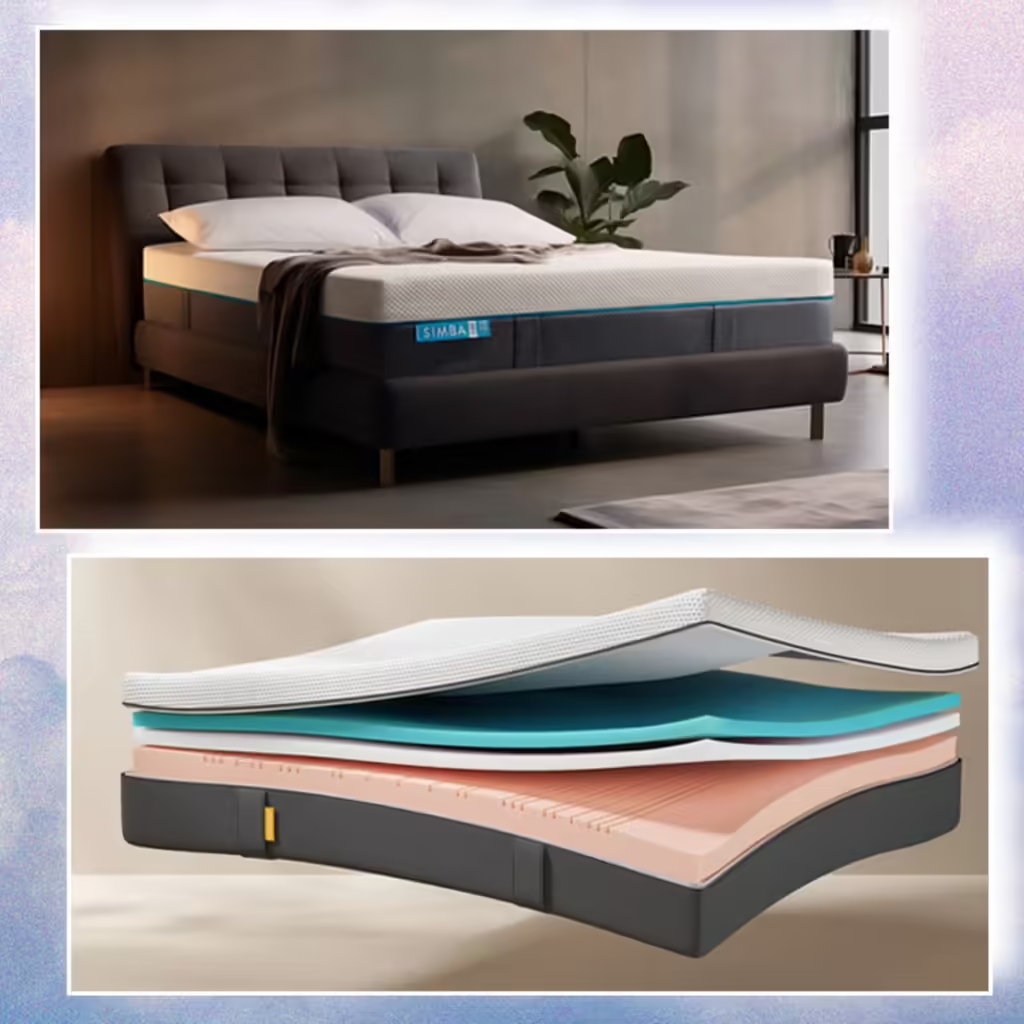
Choosing the Right Mattress: A Guide to Finding Your Dream Bed
As you lay your head on a new mattress, it’s easy to forget that what works for one person might not be ideal for another. The right mattress can make all the difference in getting a good night’s sleep, but with so many options available, it can be overwhelming to choose the perfect one.
Understanding Your Needs
Before you start shopping for a new mattress, it’s essential to consider your personal needs and preferences. Ask yourself:
- Do you move around a lot during the night or tend to sleep in a specific position?
- How much do you weigh, and will that impact your choice of mattress firmness?
- Do you suffer from back pain or other discomforts while sleeping?
These questions can help you narrow down your options and find a mattress that meets your unique needs.
The Importance of Mattress Firmness
Mattress firmness is a crucial factor to consider. The right level of firmness can make all the difference in getting a good night’s sleep, but it’s not a one-size-fits-all solution. Here are some general guidelines:
- Low-firmness mattresses (2-4 on a 1-10 scale) are ideal for side sleepers or those who prefer a soft mattress.
- Medium-firmness mattresses (5-7 on a 1-10 scale) are suitable for back sleepers or those who like a balanced feel.
- High-firmness mattresses (8-10 on a 1-10 scale) are best for stomach sleepers or those who prefer a firmer mattress.
However, these are general guidelines, and the perfect firmness level for you will depend on your individual needs and preferences.
The Role of Materials
Different materials can significantly impact the comfort and support of a mattress. Here are some common types of mattresses:
- Memory Foam: Known for its ability to conform to the body, memory foam is ideal for side sleepers or those who tend to sleep hot.
- Innerspring Mattresses: These classic mattresses use coils to provide support and pressure relief.
- Hybrid Mattresses: Combining innerspring and memory foam, hybrid mattresses offer a balance of comfort and support.
When choosing a mattress material, consider your personal preferences and needs. For example, if you tend to sleep hot, a memory foam or hybrid mattress might be an excellent choice.
Additional Factors to Consider
In addition to firmness and materials, there are several other factors to consider when shopping for a new mattress:
- Motion Transfer: If you share a bed with a partner, look for mattresses with minimal motion transfer to ensure a comfortable sleeping experience.
- Breathability: A breathable mattress can help regulate body temperature and prevent overheating.
- Edge Support: If you sleep near the edge of the bed, look for mattresses with good edge support to prevent rolling off.
By considering these factors, you can find a mattress that meets your unique needs and preferences.
Tips for Buying Online
Buying a mattress online can be convenient, but it’s essential to do your research and read reviews from other customers. Here are some tips for buying a mattress online:
- Look for Return Policies: Make sure the seller offers a reasonable return policy in case you’re not satisfied with the mattress.
- Read Reviews: Check out reviews from other customers to get an idea of the mattress’s comfort, support, and durability.
- Check Warranty Information: Look for warranties that cover materials and workmanship to ensure your investment is protected.
By following these tips, you can find a great online mattress that meets your needs and preferences.
What to Expect When Trying Out a Mattress
If you’re shopping for a new mattress in-store or trying out one online, it’s essential to know what to expect. Here are some things to keep in mind:
- Take Your Time: Don’t rush the process. Take time to lie down on different mattresses and get a feel for their comfort and support.
- Pay Attention to Pressure Points: Look for pressure points or areas that feel uncomfortable when lying on the mattress.
- Consider Your Sleeping Position: Consider how you sleep and choose a mattress that meets your specific needs.
By taking these steps, you can find a mattress that provides the perfect balance of comfort and support.
Conclusion
Choosing the right mattress is a personal decision that requires consideration of various factors. By understanding your needs, considering mattress firmness and materials, and taking additional factors into account, you can find a mattress that provides the perfect balance of comfort and support.
And if you’re still unsure, don’t hesitate to ask for advice from friends or family members who have experience with mattresses.
Frequently Asked Questions
- What is the best way to determine my ideal mattress firmness?
A: Determine your ideal firmness by considering your sleeping position and personal preferences. For example, side sleepers tend to prefer lower-firmness mattresses, while back sleepers prefer medium-firmness. - How do I choose a breathable mattress?
A: Look for mattresses with materials that allow for airflow, such as ventilated foam or natural fibers. - What is the difference between memory foam and innerspring mattresses?
A: Memory foam conforms to the body, while innerspring mattresses use coils to provide support and pressure relief. - Can I return a mattress if I’m not satisfied with it?
A: Yes, many mattress sellers offer return policies. Look for warranties that cover materials and workmanship to ensure your investment is protected. - How do I buy a mattress online safely?
A: Research the seller, read reviews from other customers, and look for return policies that cover materials and workmanship. - What are some common issues with hybrid mattresses?
A: Some people may experience motion transfer or edge support issues with hybrid mattresses. - How do I determine my ideal mattress size?
A: Consider the dimensions of your bedroom and choose a mattress that fits comfortably in the space.
If you have any further questions, feel free to ask!


