
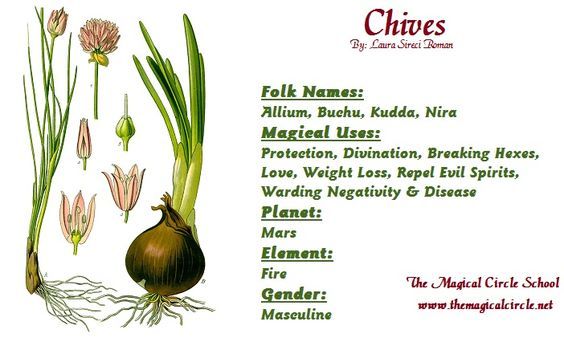
What is Onion Grass?
Onion grass, also known as Allium schoenoprasum, is a perennial herb that belongs to the Lilliaceae family. This plant is closely related to other popular culinary herbs like garlic, chives, and leeks. Onion grass has been used for centuries in traditional medicine due to its numerous health benefits and versatility in cooking.
Properties and Remedies
Onion grass has been used for various purposes, including medicinal uses, food preparation, and gardening. Its unique properties make it an excellent natural remedy for several ailments. Some of the key uses of onion grass include:
- Antiscorbutic: Onion grass is rich in vitamin C, making it an effective antiscorbute.
- Antiseptic: The plant has antibacterial and antifungal properties, which can help prevent infections.
- Cardio tonic: Onion grass contains compounds that may help regulate heart rate and lower blood pressure.
- Wound healing: The plant’s antimicrobial and anti-inflammatory properties can aid in wound healing.
Nutritional Value
Onion grass is a nutrient-rich herb that provides several essential minerals, including:
- Vitamin C: High amounts of vitamin C make onion grass an excellent natural remedy for scurvy.
- Potassium: The plant is rich in potassium, which can help lower blood pressure and support overall cardiovascular health.
Culinary Uses
Onion grass has several culinary uses. It can be consumed fresh or dried, and its leaves can be used as a substitute for onions in recipes. Some popular ways to use onion grass include:
- Infusions: Onion grass infusions can be made by steeping the leaves in hot water, which makes it an excellent natural remedy for digestive issues.
- Salad garnishes: The plant’s delicate flowers and leaves can add a touch of elegance to salads and other dishes.
- Cooking: Onion grass can be used as a flavor enhancer in soups, stews, and other savory dishes.
Growing Onion Grass
If you’re interested in growing onion grass at home or in your garden, there are several tips to keep in mind:
- Soil conditions: Onion grass prefers well-draining soil with a slightly acidic pH.
- Light requirements: The plant requires partial shade and can tolerate some direct sunlight.
- Watering: Onion grass needs consistent moisture, especially during its active growing phase.
Health Benefits of Onion Grass
Onion grass has been used for centuries in traditional medicine due to its numerous health benefits. Some of the key health benefits of onion grass include:
- Antioxidant properties: The plant contains antioxidants that can help protect against oxidative stress and inflammation.
- Digestive health: Onion grass infusions have been shown to aid in digestion and relieve symptoms of irritable bowel syndrome (IBS).
- Immune system support: The plant’s antimicrobial and antiviral properties can help boost the immune system.
Onion Grass and Mental Health
Onion grass has also been used for its potential benefits on mental health. Some of the key ways that onion grass may impact mental health include:
- Anxiety relief: The plant’s anxiolytic properties have been shown to reduce anxiety in some studies.
- Depression support: Onion grass infusions have been traditionally used to aid in depression treatment.
- Cognitive function: The plant contains compounds that may help improve cognitive function and memory.
Onion Grass and Skin Health
Onion grass has also been used for its potential benefits on skin health. Some of the key ways that onion grass may impact skin health include:
- Acne relief: The plant’s antibacterial properties have been shown to reduce acne severity.
- Wound healing: Onion grass infusions can aid in wound healing and promote tissue repair.
- Anti-aging properties: The plant contains antioxidants that may help reduce the appearance of fine lines and wrinkles.
Precautions and Side Effects
While onion grass is generally considered safe to use, there are some precautions and potential side effects to be aware of:
- Allergic reactions: Some individuals may experience allergic reactions to onion grass, such as skin irritation or respiratory issues.
- Interactions with medications: Onion grass may interact with certain medications, such as blood thinners or diabetes medications.
Conclusion
Onion grass is a versatile herb that offers numerous health benefits and culinary uses. Its unique properties make it an excellent natural remedy for various ailments, from digestive issues to skin problems. By exploring the many benefits of onion grass, you can incorporate this powerful herb into your daily life and enjoy its numerous advantages.



