
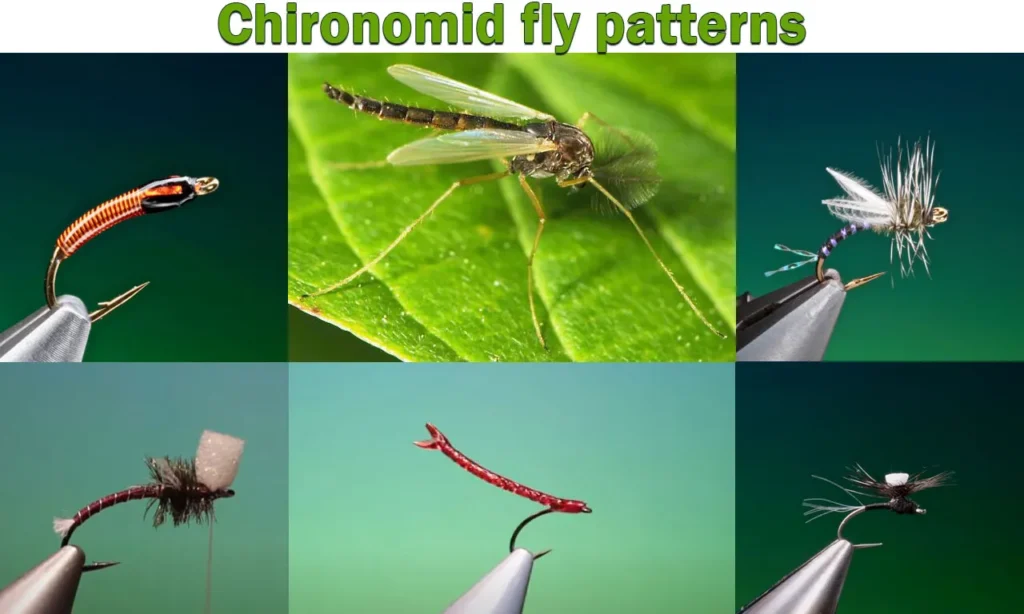
What are Chironomids?
Chironomids, also known as non-biting midges or fairy flies, are a type of insect that belongs to the family Chironomidae. They are small, usually dark-colored, and have a distinctive appearance. These insects are often mistaken for mosquitoes due to their similar appearance, but they lack the sucking apparatus found in female mosquitoes.
Types of Chironomids
There are over 400 species of chironomids, with the most common being Chironomus pulmosus and Chironomus salinarius. These species are often found near water bodies such as canals, lakes, and wetlands.
Chironomids: Algae Consequences
Studies have shown that an increase in chironomid populations is linked to the phenomenon of eutrophication, where excess nutrients lead to excessive algae growth. This not only affects the environment but also has negative consequences for human health, including increased allergies and respiratory issues.
Chironomids: Life Cycle
Female chironomids lay large numbers of eggs in water, which hatch into larvae after a few days. The larvae feed on organic matter and remain in the water throughout the winter. As temperatures rise in spring and summer, they emerge as adult flies, attracted to light sources.
Chironomid Farming
While chironomids are often considered pests, some individuals and organizations are interested in farming them for their larval stage. These larvae serve as a food source for many aquatic animals, including fish and other predators. The larvae can be harvested, dried, or frozen to produce a natural food supplement.
Biological Control of Chironomids
To manage chironomid populations, biological control methods can be employed. Predators such as the common frog, Phoenicurus phoenicurus (wood warbler), Triturus vulgaris (smooth newt), and salamanders like damigelle are effective in controlling chironomid larvae.
Managing Chironomids at Home
If you’re dealing with chironomids on your property or in your home, there are several ways to eliminate them:
- Use insecticidal sprays on surfaces and infested areas
- Apply insecticides directly to walls and windows to prevent flying
- Install screens on vents and doors to keep flies out
- Install a mosquito net or mesh around outdoor living spaces
Prevention is Key
For those with ponds or canals, maintaining good water quality and controlling algae growth can help reduce chironomid populations. Regularly adding water treatments that promote healthy aquatic ecosystems can also prevent the proliferation of these insects.
By understanding the life cycle, habits, and consequences of chironomids, we can better manage their presence in our homes, communities, and ecosystems.
Frequently Asked Questions
- What causes an increase in chironomid populations?
Eutrophication, excessive algae growth, and poor water quality are some factors that contribute to the proliferation of chironomids. - How do chironomids affect human health?
Excessive exposure to chironomids can lead to allergies, respiratory issues, and skin irritation in some individuals. - Can chironomids be farmed for food or other purposes?
Yes, chironomid larvae are an important food source for many aquatic animals and can also be harvested for use as a natural food supplement or fertilizer. - What methods are effective for controlling chironomid populations?
Biological control methods using predators, insecticidal sprays, screens, and ventilation systems can help manage chironomid infestations.
Additional Tips
- Keep your home clean and free of debris to reduce the number of attractants for chironomids.
- Regularly inspect your property for signs of chironomid activity, such as larvae or adult flies.
- Consider consulting with a pest control professional if you have a severe infestation.
By taking proactive steps to manage chironomid populations, we can reduce the negative impacts they have on our environment and health.


