
Introduction
In today’s fast-paced world, it’s easy to get caught up in the latest technology and trends. But what if we told you that there’s a whole new frontier waiting to be explored – one that combines fun, learning, and innovation? Enter robots for kids! These incredible machines are designed specifically for young minds, teaching them valuable skills while sparking their imagination.
The Rise of Robot Education
In recent years, robotics has become an increasingly popular way to engage children in STEM education (Science, Technology, Engineering, and Mathematics). But it’s not just about coding and algorithms – robots can also help kids develop essential life skills like problem-solving, critical thinking, and creativity. From interactive games to real-world applications, the possibilities are endless.
Robotics for Children with Disabilities
One of the most significant benefits of robotics is its potential to empower children with disabilities. With specialized robots designed to meet their unique needs, kids can participate in educational activities and social interactions that were previously out of reach. For example, robots like Nao, Zeno, and Buddy are specifically created to engage children with autism, teaching them important skills through play-based learning.
The Benefits of Robot-Based Learning
Robotics-based learning offers a range of benefits for children with disabilities. Some of the most significant advantages include:
- Increased accessibility: Robots can provide an inclusive way for children with disabilities to participate in educational activities and social interactions.
- Personalized learning: Robots can be tailored to meet the individual needs of each child, providing personalized learning experiences that cater to their unique abilities and interests.
- Improved communication skills: Robots can help children develop essential communication skills like language and social interaction, which are critical for success in all areas of life.
Top Robot Picks for Kids
So, which robots make the cut? Here are some top picks for kids of all ages:
Robots for Young Children (3+ years)
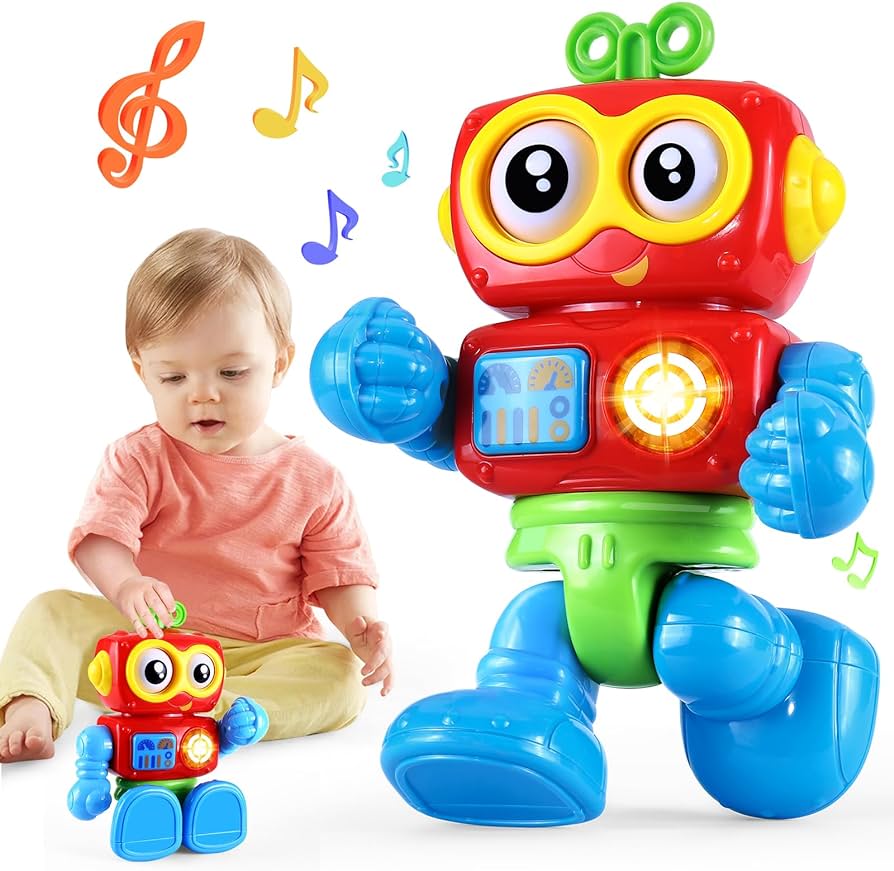
- Fisher Price’s Roby Robot: A fun and interactive robot that teaches children to follow instructions, think critically, and move around confidently.
- Cubetto: A simple yet engaging robot that introduces young children to programming concepts through play-based learning.
Robotics for Older Kids (8+ years)
- Cozmo: An entertaining robot that recognizes emotions and responds accordingly, promoting empathy and social skills.
- Tinkerbots: A build-it-yourself robot kit that encourages creativity, problem-solving, and STEM education.
The Best Robot for Autistic Children
For kids with autism, robots like Nao and Zeno can provide a unique opportunity for social interaction and learning. These specially designed robots use play-based activities to teach essential skills, helping children develop their communication and emotional regulation abilities.
- Nao: A humanoid robot that uses natural language processing to understand and respond to emotions.
- Zeno: A robot designed specifically for autistic children, using sensory-friendly materials and calming colors to create a soothing environment.
Robotics and Social Skills
One of the most significant benefits of robotics is its potential to improve social skills in children with autism. Robots can provide a safe and supportive environment for kids to practice social interactions, build relationships, and develop essential life skills like communication and empathy.
- Emotional intelligence: Robots can help children develop emotional intelligence by teaching them to recognize and understand emotions.
- Social cues: Robots can provide children with autism with the opportunity to practice social cues like eye contact, body language, and facial expressions.
Conclusion
In conclusion, robots have the potential to revolutionize the way we learn and play. From interactive games to specialized robots designed for kids with disabilities, there’s something for every age group and skill level. As we continue to push the boundaries of innovation and technology, one thing is certain – robots will play an increasingly important role in shaping the future of education and entertainment.
Frequently Asked Questions
Q: What are some benefits of using robots for kids?
A: Robots can provide a range of benefits for children, including improved cognitive skills, enhanced creativity, and increased confidence. They also offer opportunities for social interaction and play-based learning.
Q: How do I choose the right robot for my child?
A: Consider your child’s age, skill level, and interests when selecting a robot. You can also look for robots designed specifically for children with disabilities or special needs.
Q: Can robots really help kids develop STEM skills?
A: Absolutely! Robots can provide an engaging way to introduce children to essential STEM concepts like coding, programming, and problem-solving.
Q: Are robots safe for young children?
A: Generally, yes. Many robots designed for kids are equipped with safety features like automatic shut-off, secure batteries, and durable construction.
Q: Can I use robots as a tool for special education?
A: Yes! Robots can be a valuable resource in special education settings, providing personalized learning experiences and promoting inclusive play.
Q: How do I maintain my child’s robot?
A: Regularly update software, clean the robot’s sensors, and perform routine maintenance tasks to keep your child’s robot running smoothly.


