
As we navigate the complex world of nutrition and health, it’s essential to focus on foods that offer a wealth of benefits. One such food is the humble chickpea, also known as garbanzo beans. In this article, we’ll delve into the nutritional properties and health benefits of chickpeas, exploring their unique characteristics, culinary uses, and potential applications in various aspects of our lives.
The Chickpea Plant: A Brief Overview
Chickpeas are a type of legume belonging to the Fabaceae family, which also includes beans, lentils, and peas. The plant is native to the Middle East and has been cultivated for thousands of years, with evidence of its use dating back to ancient civilizations in Egypt and Mesopotamia.
Nutritional Properties: A Comprehensive Analysis
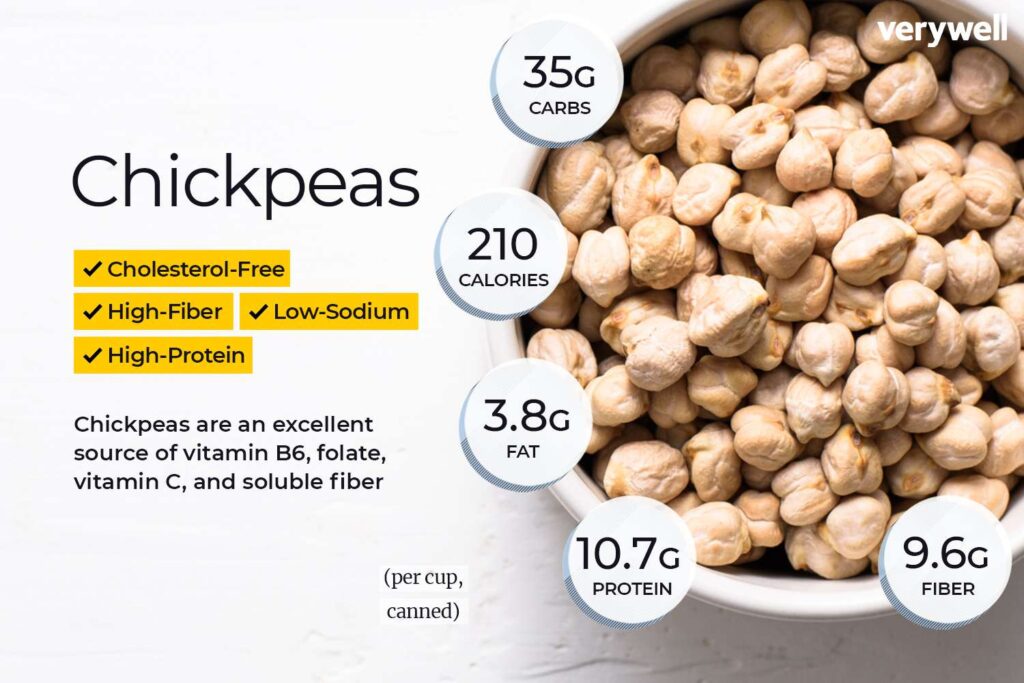
Chickpeas are a nutrient-dense food, providing a range of essential vitamins, minerals, and proteins. Here’s a breakdown of their nutritional profile:
- Protein content: 8.86g per 100g serving
- Calorie content: 164 kcal per 100g serving
- Fiber content: 27.42g (including both soluble and insoluble fiber)
- Fat content: 2.59g (mostly unsaturated)
- Vitamin and mineral content:
- Vitamin A: 1μg
- Thiamin (Vitamin B1): 0.116mg
- Riboflavin (Vitamin B2): 0.063mg
- Niacin (Vitamin B3): 0.526mg
- Pantothenic acid (Vitamin B5): 0.286mg
- Vitamin B6: 0.139mg
- Folate (Vitamin B9): 172μg
- Vitamin C: 1.3mg
- Vitamin E: 0.35mg
- Vitamin K: 4μg
- Minerals:
- Calcium: 49mg
- Iron: 2.89mg
- Magnesium: 48mg
- Phosphorus: 168mg
- Potassium: 291mg
- Sodium: 7mg
- Zinc: 1.53mg
The Effects of Cooking and Soaking on Chickpeas
While chickpeas are nutritious in their raw form, cooking and soaking can have a significant impact on their nutritional content. Cooking can break down some of the complex carbohydrates, while soaking can help to reduce phytic acid levels and make nutrients more bioavailable.
- Cooking: Water-soluble vitamins like vitamin C and B vitamins may be lost during cooking. However, heat-stable vitamins like thiamin, riboflavin, and niacin are less affected.
- Soaking: Soaking chickpeas can help to reduce phytic acid levels by up to 80%. Phytic acid inhibits the absorption of minerals like zinc, iron, and calcium. Soaking can also make nutrients more bioavailable by increasing their solubility.
Health Benefits: Unlocking the Power of Chickpeas
Chickpeas have been associated with several potential health benefits, including:
- Lowering cholesterol levels through their high fiber content
- Regulating blood sugar levels due to their soluble fiber and antioxidants
- Supporting cardiovascular health through their potassium, magnesium, and omega-3 fatty acid content
- Aiding in weight management due to their high fiber and protein content
- Providing anti-inflammatory effects through their polyphenol and flavonoid content
Culinary Uses: Cooking with Chickpeas
Chickpeas are a versatile ingredient that can be used in a variety of dishes, from soups and stews to salads and sandwiches. Here are some tips for cooking with chickpeas:
- Rinse and soak dried chickpeas overnight before cooking
- Cook chickpeas in water or broth to reduce sodium levels
- Add aromatics like onions, garlic, and spices to enhance flavor
- Use chickpeas as a protein source in place of meat or other legumes
Growing Chickpeas: A Guide for Home Gardeners
Chickpeas are a relatively easy crop to grow, requiring minimal maintenance and care. Here’s a step-by-step guide for growing chickpeas at home:
- Choose a variety of chickpea suitable for your climate and region
- Prepare the soil by loosening it to a depth of 12-18 inches
- Sow seeds in well-draining soil with full sun exposure
- Water regularly, providing about 1 inch of water per week
- Monitor for pests and diseases, taking action promptly if necessary
Storage and Preservation
Chickpeas can be stored for up to a year in an airtight container in the refrigerator or freezer. To freeze chickpeas, rinse them thoroughly, then spread them on a baking sheet and place them in the freezer until frozen solid. Transfer the frozen chickpeas to airtight containers or zip-top bags for long-term storage.
Cultural Significance
Chickpeas have been an integral part of many cultures throughout history. In India, chickpea flour is used to make roti, a type of flatbread. In Ethiopia, chickpeas are a staple ingredient in stews and salads. Chickpeas are also a key ingredient in hummus, a popular Middle Eastern dip.
Conclusion
Chickpeas are a nutrient-dense food that offers a wealth of health benefits and culinary uses. By understanding their nutritional properties, cooking methods, and growth requirements, we can unlock the full potential of this incredible ingredient. Whether you’re a seasoned gardener or a busy home cook, chickpeas are a great addition to your kitchen.
Additional Tips
- Use chickpea flour as a gluten-free substitute in baked goods
- Add chickpeas to soups and stews for an extra boost of protein and fiber
- Roast chickpeas in the oven with herbs and spices for a crispy snack
- Make hummus by blending cooked chickpeas with tahini, garlic, and lemon juice
FAQs
- Q: What is the difference between green and brown chickpeas?
A: Green chickpeas are unripe seeds that have not been fully matured, while brown chickpeas are fully ripe and ready for consumption. - Q: Can I use canned chickpeas as a substitute for fresh ones?
A: While canned chickpeas can be convenient, they often contain added salt and preservatives. Fresh or cooked chickpeas are generally recommended for optimal nutrition. - Q: How do I store chickpeas to maintain their nutritional value?
A: Store chickpeas in an airtight container, refrigerating them at 40°F (4°C) or below to preserve their nutrient content. - Q: Can I grow chickpeas in containers?
A: Yes, chickpeas can be grown in containers, provided they receive sufficient sunlight and water. - Q: Are chickpeas suitable for people with gluten intolerance?
A: Chickpeas are naturally gluten-free, making them a great option for those with gluten sensitivity or intolerance. - Q: Can I use chickpeas as a meat substitute?
A: While chickpeas can provide some protein and texture similar to meat, they lack the essential amino acids found in animal products. A balanced diet that includes a variety of protein sources is recommended. - Q: Are chickpeas high in phytic acid?
A: Yes, chickpeas do contain phytic acid, which can inhibit mineral absorption. Soaking and cooking can help reduce phytic acid levels. - Q: Can I use chickpea flour as a substitute for wheat flour?
A: While chickpea flour can be used in some recipes, it lacks the structure and elasticity provided by wheat flour. A combination of flours or additional ingredients may be necessary.
By understanding the nutritional properties, cooking methods, and growth requirements of chickpeas, we can unlock their full potential as a nutritious and versatile ingredient. Whether you’re a seasoned gardener or a busy home cook, chickpeas are a great addition to your kitchen.


