
Chickpeas, one of the oldest legumes in human history, have been a staple food source for thousands of years. These versatile beans have been consumed globally, with various cultures incorporating them into their traditional dishes. From salads to stews, chickpeas are an essential ingredient in many cuisines. In this article, we will delve into the nutritional properties and health benefits of chickpeas.
Introduction
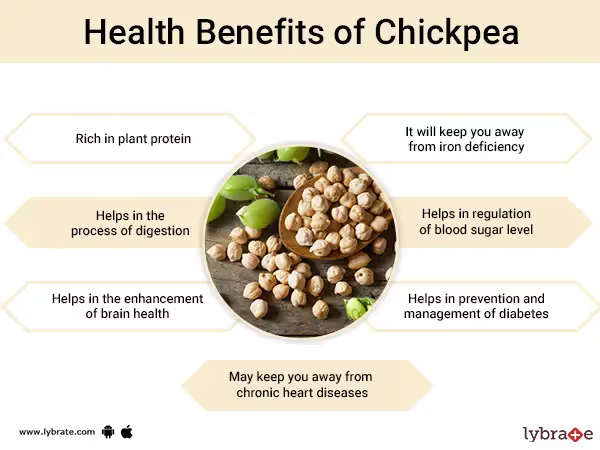
Chickpeas are a nutrient-rich food source that provides numerous health benefits. They are rich in protein, fiber, and various minerals and vitamins. Chickpeas have been found to lower cholesterol levels, regulate blood circulation, and maintain stable glucose levels. These legumes have also been linked to improved digestion, weight management, and reduced risk of chronic diseases.
The Nutritional Profile of Chickpeas
Chickpeas are an excellent source of essential nutrients, including:
- Water Content: 10.6%
- Protein: 19.3%
- Fiber: 17.5%
- Minerals: Potassium, calcium, phosphorus, magnesium, sodium, iron, zinc, copper, manganese, and selenium
- Vitamins: Vitamin B1, vitamin B2, vitamin B3, vitamin B5, vitamin B6, folate, vitamin C, K, and J
- Amino Acids: Aspartic acid, glutamic acid, leucine, lysine, phenylalanine, arginine, serine, valine, and isoleucine
Culinary Uses of Chickpeas
Chickpeas are a versatile ingredient that can be used in various dishes. They have a relatively long cooking time due to the soaking process, which can take anywhere from 12 to 18 hours. However, when cooked in a terracotta pot with cold water and a lid for three hours at low heat, they increase in volume.
Some popular culinary uses of chickpeas include:
- Salads: Chickpeas are a great addition to salads, providing protein, fiber, and various minerals.
- Stews: Chickpeas can be used in stews, adding texture and flavor to these hearty dishes.
- Curries: Chickpeas are commonly used in curries, providing a rich source of protein and fiber.
Health Benefits of Chickpeas
Chickpeas have been found to have numerous health benefits. Some of the most significant benefits include:
- Lowering Cholesterol Levels: The high content of soluble fiber in chickpeas helps lower cholesterol levels, reducing the risk of heart disease.
- Regulating Blood Circulation: The presence of magnesium and folate in chickpeas helps regulate blood circulation, reducing the risk of arrhythmias and other cardiovascular diseases.
- Maintaining Stable Glucose Levels: The high content of fiber in chickpeas helps maintain stable glucose levels, reducing the risk of type 2 diabetes.
Potential Side Effects
While chickpeas are a nutritious food source, they can cause some side effects in certain individuals. Some potential side effects include:
- Digestive Issues: Individuals with colitis or other digestive issues may experience difficulty digesting chickpeas due to their high cellulose content.
- Allergic Reactions: Some individuals may be allergic to chickpeas, experiencing symptoms such as hives, itching, and swelling.
Conclusion
Chickpeas are a nutritious food source that provides numerous health benefits. They are rich in protein, fiber, and various minerals and vitamins. Chickpeas have been found to lower cholesterol levels, regulate blood circulation, and maintain stable glucose levels. While they can cause some side effects in certain individuals, the potential benefits of chickpeas far outweigh these drawbacks.
Frequently Asked Questions
- What is the cooking time for chickpeas?
Chickpeas require soaking for at least 12 hours to cook. - Can I digest chickpeas if I have colitis?
Due to their high cellulose content, individuals with colitis may find it challenging to digest chickpeas. - What are the health benefits of Omega-3 fatty acids in chickpeas?
Omega-3 fatty acids help regulate blood circulation and prevent depression. - How can I incorporate chickpeas into my diet?
Chickpeas can be used in various dishes, such as salads, stews, and curries. - What are the potential side effects of consuming chickpeas?
Individuals with colitis or digestive issues may experience difficulty digesting chickpeas due to their high cellulose content.
Additional Resources
- National Nutrient Database for Standard Reference
- United States Department of Agriculture (USDA)
- Centers for Disease Control and Prevention (CDC)
By incorporating chickpeas into your diet, you can enjoy a variety of health benefits. Whether you’re looking to lower cholesterol levels or regulate blood circulation, chickpeas are an excellent choice. So next time you’re planning a meal, consider adding some chickpeas to your recipe for a nutritious and delicious option.


