
Introduction
Chickpea flour, also known as gram flour, is a popular ingredient in many cuisines around the world. Its versatility, nutritional value, and cosmetic benefits make it an excellent addition to any recipe or skincare routine. In this article, we will delve into the properties of chickpea flour, its uses in cooking and beauty treatments, and provide you with tips on how to incorporate it into your daily life.
Nutritional Benefits of Chickpea Flour
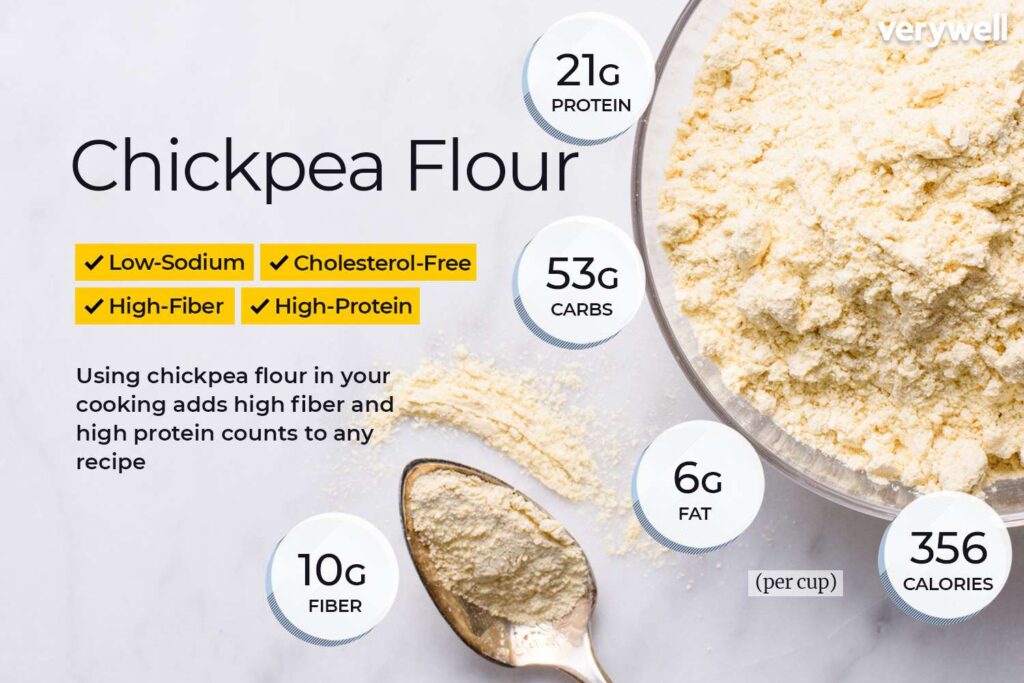
Chickpea flour is an excellent source of protein, fiber, and various essential vitamins and minerals. One 100-gram serving of chickpea flour provides:
- 16% of the recommended daily intake of protein
- 24% of the recommended daily intake of fiber
- 50% of the recommended daily intake of iron
- 30% of the recommended daily intake of zinc
- 20% of the recommended daily intake of magnesium
The high content of healthy fats, including omega-3 fatty acids and antioxidants, makes chickpea flour an excellent choice for those looking to improve their overall health.
Cosmetic Benefits of Chickpea Flour
Chickpea flour has been used for centuries in traditional medicine and cosmetics due to its ability to soothe and calm the skin. Some of its cosmetic benefits include:
- Reducing inflammation: Chickpea flour contains anti-inflammatory properties that can help reduce redness and irritation.
- Soothing sunburns: The antioxidants present in chickpea flour can help protect the skin from further damage caused by UV radiation.
- Treating acne: The antibacterial properties of chickpea flour can help control acne-causing bacteria.
Using Chickpea Flour in Cooking
Chickpea flour is a versatile ingredient that can be used in a variety of dishes, including:
- Baked goods: Chickpea flour can be used to make delicious bread, cakes, and cookies.
- Meatballs and burgers: Adding chickpea flour to meatball or burger mixtures can help bind the ingredients together and add protein.
- Vegan recipes: Chickpea flour is a popular ingredient in vegan cooking, particularly in dishes like veggie burgers and meatloaf.
Tips for Using Chickpea Flour
To get the most out of chickpea flour, follow these tips:
- Store it properly: Keep chickpea flour in an airtight container to maintain its nutritional properties.
- Use it in moderation: While chickpea flour is nutritious, it should be used in moderation due to its high fiber and protein content.
Uses of Chickpea Flour in Skincare
Chickpea flour can also be used as a natural ingredient in skincare routines. Some benefits include:
- Exfoliating scrubs: Mixing chickpea flour with water or milk creates a gentle exfoliant that helps remove dead skin cells.
- Face masks: Chickpea flour can be blended with yogurt or honey to create a soothing face mask that calms and nourishes the skin.
- After-sun care: Applying a paste made from chickpea flour, yogurt, and cucumber to sunburned skin can help reduce inflammation and promote healing.
Benefits of Using Chickpea Flour in Hair Care
Chickpea flour can also be used as a natural ingredient in hair care routines. Some benefits include:
- Hair masks: Mixing chickpea flour with coconut oil or olive oil creates a nourishing hair mask that moisturizes and conditions the hair.
- Scalp treatment: Chickpea flour can be applied to the scalp to help reduce dandruff, itchiness, and other scalp issues.
Conclusion
Chickpea flour is a nutrient-rich ingredient that can be used in cooking and beauty treatments. Its versatility, anti-inflammatory properties, and ability to soothe sunburns make it an excellent addition to any recipe or skincare routine. By incorporating chickpea flour into your daily life, you can experience its numerous benefits and improve your overall health and well-being.
Frequently Asked Questions
Q: Is chickpea flour gluten-free?
A: Yes, chickpea flour is naturally gluten-free.
Q: Can I use chickpea flour as a substitute for wheat flour?
A: While chickpea flour can be used in baked goods, it has a different texture and may not provide the same structure as wheat flour. You may need to adjust the recipe accordingly.
Q: Is chickpea flour suitable for vegans?
A: Yes, chickpea flour is an excellent choice for vegans due to its high protein content and versatility in cooking.
Q: Can I use chickpea flour to treat acne?
A: While chickpea flour has antibacterial properties that can help control acne-causing bacteria, it should not be used as a substitute for medical treatment. Consult with a healthcare professional before using chickpea flour for any cosmetic purposes.
Q: How do I store chickpea flour?
A: Store chickpea flour in an airtight container to maintain its nutritional properties and freshness.
Q: Is chickpea flour suitable for those with celiac disease or gluten intolerance?
A: While chickpea flour is naturally gluten-free, it may still cause issues in individuals with severe gluten intolerance. Consult with a healthcare professional before consuming chickpea flour if you have any underlying health conditions.
Q: Can I use chickpea flour to treat other skin issues?
A: While chickpea flour has anti-inflammatory properties that can help soothe sunburns, it should not be used as a substitute for medical treatment. Consult with a healthcare professional before using chickpea flour for any cosmetic purposes.


