
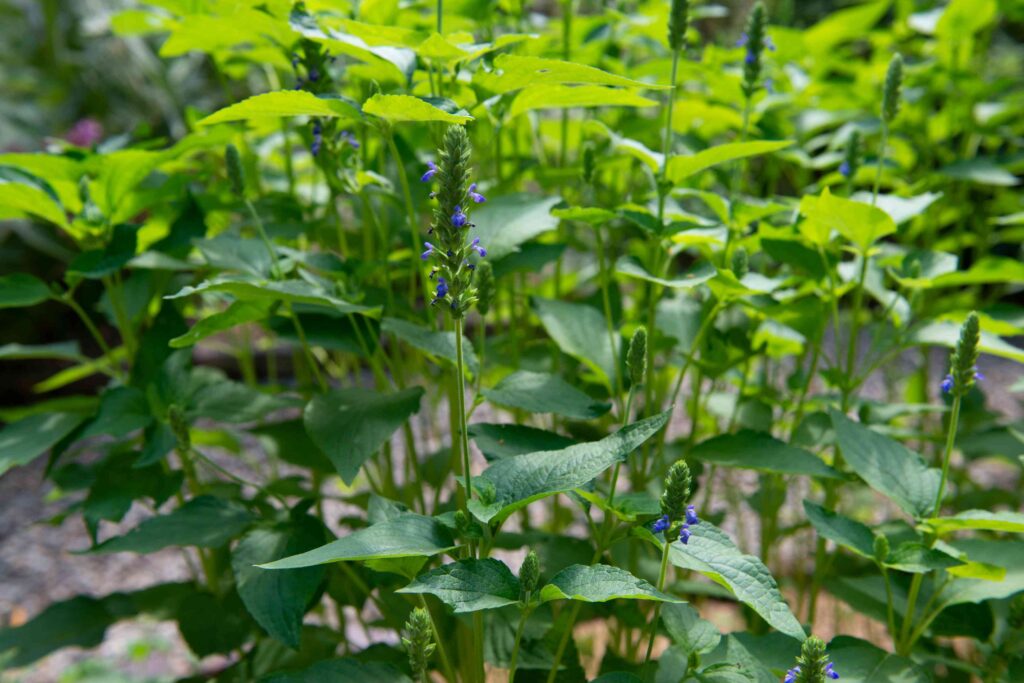
As a superfood, the chia plant has been gaining popularity in recent years due to its numerous health benefits and versatility in cooking. In this article, we’ll delve into the world of chia, exploring its history, cultivation, nutritional properties, and uses.
A Brief History of Chia
The chia plant, scientifically known as Salvia Hispanica, is an ancient crop that originated in Mexico and Guatemala. Its seeds have been a staple food for centuries, particularly among the Aztecs and Mayans. The chia plant’s remarkable nutritional profile and adaptability to various climates made it an essential component of their diet.
Characteristics of Chia
Chia plants are members of the mint family (Lamiaceae) and are characterized by their:
- Dark-colored seeds with grayish tints
- Ephemeral flowers that bloom from July to September
- Height of around 1.5 meters
Cultivating Chia Plants
Growing chia plants is relatively straightforward, requiring minimal care and attention. Here’s a step-by-step guide:
Step 1: Choosing the Right Location
Chia plants prefer full sun and well-draining soil. They can thrive in various climates but require protection from harsh winters.
Step 2: Sowing Chia Seeds
- Plant chia seeds indoors, around March.
- Maintain a moist environment until germination (about 7-10 days).
- Water sparingly after germination to prevent overwatering.
Step 3: Caring for Mature Plants
- Provide supplemental watering as needed, but avoid overwatering.
- Prune plants regularly to maintain shape and promote healthy growth.
Cultivating Chia in Containers
If you live in an area with harsh winters or lack suitable outdoor space, consider growing chia in containers. Here’s a brief guide:
Step 1: Selecting the Right Container
Choose a container with good drainage and adequate depth (around 15-20 cm).
Step 2: Sowing Chia Seeds
- Sow chia seeds directly into the container at a depth of about 1-2 cm.
- Water gently but thoroughly.
The Nutritional Benefits of Chia
Chia seeds are an excellent source of essential nutrients, including:
| Nutrient | Amount per 100g |
|---|---|
| Omega-3 fatty acids | 4915 mg |
| Calcium | 177 mg |
| Vitamin C | 28.2 mg |
| Potassium | 546 mg |
| Iron | 1.9 mg |
Additional Nutrients in Chia Seeds
- Vitamins A, E, and B6
- Niacin (Vitamin B3)
- Riboflavin (B2)
- Thiamine (Vitamin B1)
Chia seeds also contain a moderate amount of protein, rich in amino acids like methionine, cysteine, and lysine.
Precautions and Considerations
While chia is generally considered safe for consumption, there are some precautions to note:
- Chia can cause digestive issues if consumed in large quantities or without adequate hydration.
- Pregnant women should consult with their healthcare provider before consuming chia seeds regularly.
- Individuals with allergies or sensitivities to mint family plants (Lamiaceae) may want to avoid growing chia.
Conclusion
The chia plant is an incredible resource for nutrition and culinary versatility. By following these simple steps and understanding its benefits, you can harness the power of this ancient superfood to elevate your health and well-being.
Frequently Asked Questions
- Q: Can I grow chia in acidic soils?
A: Chia plants prefer well-draining soil with a slightly alkaline pH (around 6.5-7.5). - Q: Are chia seeds gluten-free?
A: Yes, chia seeds are naturally gluten-free and suitable for individuals with celiac disease or gluten intolerance. - Q: Can I use chia as a vegan substitute for eggs in baking?
A: Chia can be used as an egg substitute due to its ability to absorb liquid and create a gel-like texture. However, it’s recommended to experiment with different ratios to achieve the desired result. - Q: Are chia seeds safe for consumption by pregnant women?
A: There is limited research on the safety of chia seeds during pregnancy. As a precaution, consult with your healthcare provider before consuming chia regularly. - Q: How long does it take for chia plants to mature?
A: Chia plants typically take around 3-4 months from sowing to harvest. - Q: Can I dry chia seeds for later use?
A: Yes, you can dry chia seeds by spreading them out in a single layer and allowing them to air-dry. Store dried chia seeds in an airtight container to preserve their nutritional value.
Additional Resources
For more information on cultivating chia and its benefits, please visit our dedicated page:
Chia Seeds 101: Cultivation and Nutrition
Stay up-to-date with the latest news and research on chia seeds by following our blog:



