
Introduction
Chia seeds, also known as Salvia hispanica, have been a staple in traditional medicine for centuries. These tiny seeds from the Lamiaceae family have been prized for their nutritional value and potential health benefits. In this article, we’ll delve into the world of chia seeds, exploring their properties, benefits, and how to incorporate them into your daily diet.
A Brief History of Chia Seeds
Chia seeds have a rich history dating back to ancient civilizations in Mexico and Central America. The Aztecs and Mayans revered chia seeds for their nutritional value and medicinal properties. Today, these seeds are gaining popularity worldwide for their numerous health benefits and versatility in cooking.
Nutritional Properties of Chia Seeds
Chia seeds are an excellent source of essential nutrients, including:
- Vitamins B1 (thiamine), B2 (riboflavin), B3 (niacin), B9 (folate)
- Minerals like calcium, iron, magnesium, manganese, phosphorus, potassium, and zinc
- Omega-3 fatty acids, omega-6 fatty acids, and other essential fatty acids
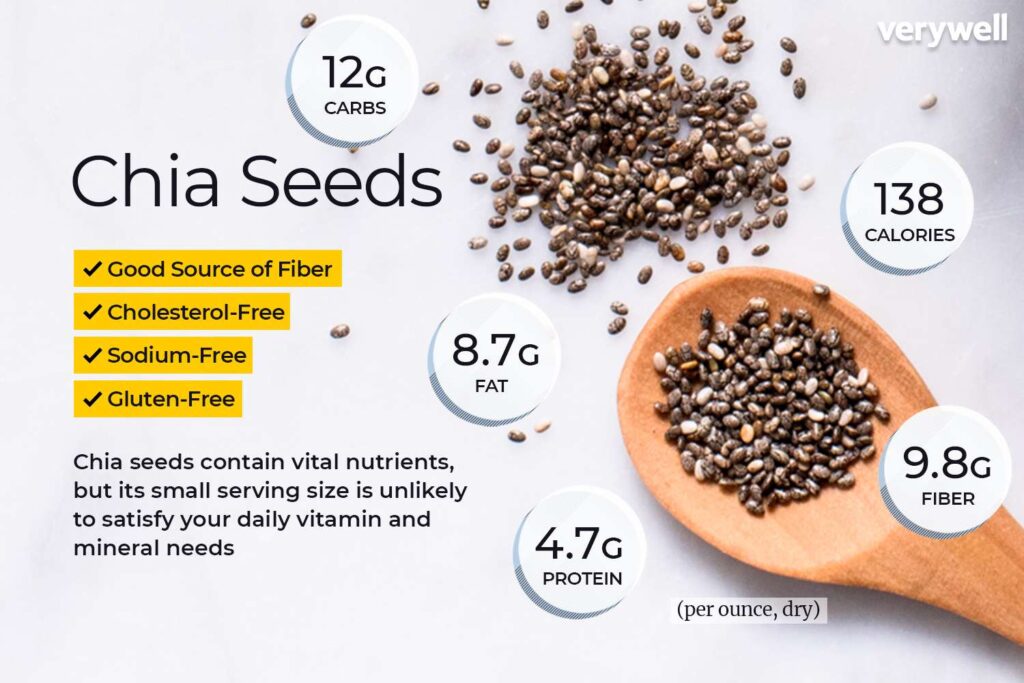
A 100g serving of chia seeds provides:
| Nutrient | Amount (% of Daily Value) |
|---|---|
| Calories | 486 kcal |
| Carbohydrates | 42.12 g |
| Fiber | 34.4 g |
| Protein | 16.54 g |
| Vitamin A | 54 mcg |
| Tiamine (B1) | 0.62 mg |
| Riboflavin (B2) | 0.17 mg |
| Niacin (B3) | 8.83 mg |
| Folate (Vitamin B9) | 49 mcg |
| Vitamin C | 1.6 mg |
| Vitamin E | 0.5 mg |
| Calcium | 631 mg |
| Iron | 7.72 mg |
| Magnesium | 335 mg |
| Manganese | 2.723 mg |
| Phosphorus | 860 mg |
| Potassium | 407 mg |
| Sodium | 16 mg |
| Zinc | 4.58 mg |
Health Benefits of Chia Seeds
Research has shown that consuming chia seeds can have numerous health benefits, including:
- Lowering cholesterol levels
- Improving blood sugar control
- Supporting heart health
- Aiding in weight loss
- Promoting digestive health
However, more research is needed to fully understand the effects of chia seed consumption on human health.
Incorporating Chia Seeds into Your Diet
Chia seeds are versatile and can be easily incorporated into your daily diet. Here are some ideas:
- Add chia seeds to oatmeal or yogurt for a nutritious breakfast
- Use chia seeds as an egg substitute in baking recipes
- Mix chia seeds with water to create a gel-like texture, perfect for adding to smoothies or desserts
Where to Buy Chia Seeds
Chia seeds are widely available at health food stores and online retailers. Look for certified organic and biologica options to ensure quality and purity.
Precautions and Contraindications
- Allergic reactions: Some individuals may be allergic to chia seeds, which can cause symptoms like hives, itching, or difficulty breathing.
- Interactions with medications: Chia seeds may interact with certain medications, such as blood thinners, diabetes medications, and cholesterol-lowering medications. Consult with a healthcare professional before consuming chia seeds if you’re taking any medications.
Frequently Asked Questions (FAQs)
- Are chia seeds suitable for everyone?
- Chia seeds are generally safe to consume by most people, but individuals with certain allergies or sensitivities may need to avoid them.
- Can I grow my own chia seeds?
- Yes, chia seeds can be grown from the plant Salvia hispanica, but this requires specific climate and soil conditions.
- How do I store chia seeds to maintain their nutritional value?
- Store chia seeds in an airtight container in a cool, dry place to preserve their nutritional content.
- Can I use chia seeds as a substitute for eggs in baking recipes?
- Yes, chia seeds can be used as an egg substitute in baked goods due to their gel-like texture when mixed with water.
- Are chia seeds suitable for people with gluten intolerance or celiac disease?
- Chia seeds are naturally gluten-free and may be a suitable option for individuals with gluten intolerance or celiac disease, but it’s essential to consult with a healthcare professional before making any changes to your diet.
- Can I use chia seeds as a face mask or skin treatment?
- Yes, chia seeds can be used as a face mask due to their antioxidant and anti-inflammatory properties, which may help soothe and hydrate the skin.
- Are chia seeds suitable for people with high cholesterol levels?
- Chia seeds may help lower cholesterol levels due to their soluble fiber content, but more research is needed to fully understand their effects on human health.
- Can I use chia seeds as a natural remedy for digestive issues?
- Yes, chia seeds have been traditionally used to soothe digestive issues such as constipation and diarrhea, but consult with a healthcare professional before using them as a treatment.
Conclusion
Chia seeds are a nutrient-dense superfood that offers numerous health benefits when consumed as part of a balanced diet. By understanding their nutritional properties, incorporating them into your daily meals, and being aware of potential precautions and contraindications, you can unlock the power of chia seeds and experience improved overall health.
Additional Resources
- National Institutes of Health (NIH): Chia Seeds
- Academy of Nutrition and Dietetics: Chia Seeds
- WebMD: Chia Seeds
By consulting reputable sources and healthcare professionals, you can make informed decisions about incorporating chia seeds into your diet and reaping their nutritional benefits.


