
Introduction
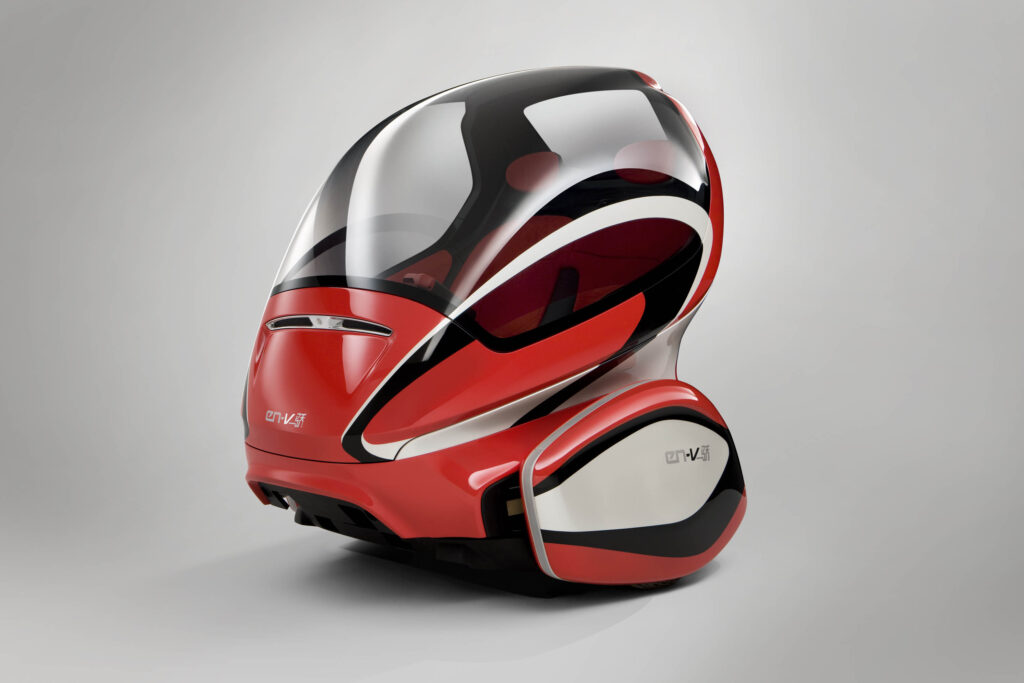
Imagine a world where cars are not just a mode of transportation, but a symbol of freedom and innovation. Welcome to the future of mobility with the Chevrolet EN-V 2.0, a revolutionary electric vehicle that’s changing the game. In this article, we’ll take a closer look at this futuristic concept car and explore its features, technologies, and implications for the automotive industry.
What is the Chevrolet EN-V 2.0?
The Chevrolet EN-V 2.0 is an Electric Networked Vehicle (ENV) that’s making waves in the automotive world. This two-seater, electric vehicle is designed specifically for urban mobility, addressing issues of space and emissions. Its unique design and cutting-edge technology make it a pioneer in the field of sustainable transportation.
Mode Shift: Manual vs. Automatic
The Chevrolet EN-V 2.0 comes with two distinct modes of operation: manual and automatic. The manual mode allows the driver to take control, similar to driving any other zero-emission vehicle. On the other hand, the automatic mode shifts responsibility to the car’s computerized system, ensuring a smooth ride.
Ecosustainability
One of the most exciting features of the EN-V 2.0 is its integrated solar panel on the roof. This innovative technology allows for real-time charging of the battery using renewable energy, significantly reducing its carbon footprint. With this eco-friendly feature, drivers can enjoy a guilt-free commute in an urban jungle.
The Social Network Effect
But that’s not all. The EN-V 2.0 also comes equipped with wireless communication and GPS navigation, creating a “social network” for passengers to stay connected during their journey. Imagine having your own personal office on wheels, always connected and productive!
Comfort and Convenience
Despite its futuristic design, the EN-V 2.0 still prioritizes comfort and convenience. It features climate control, ample storage space, and adaptability to various climatic conditions. Whether you’re driving in the city or on a scenic route, this vehicle has got you covered.
Challenges Ahead
Before hitting the market, the Chevrolet EN-V 2.0 will undergo rigorous testing to ensure its reliability and performance. As with any new technology, there may be teething issues to address, but the EN-V 2.0 is poised to make a significant impact on the automotive industry.
Advantages of Electric Vehicles
As the world shifts towards more sustainable transportation options, electric vehicles like the EN-V 2.0 are gaining popularity. Some of the advantages of electric vehicles include:
- Zero Emissions: Electric vehicles produce no emissions, reducing air pollution and greenhouse gas emissions.
- Lower Operating Costs: Electric vehicles are generally cheaper to run, with lower fuel costs (electricity is often less expensive than gasoline) and lower maintenance costs (fewer moving parts means less wear and tear).
- Smooth and Quiet Ride: Electric vehicles have a smoother and quieter ride due to their electric motors.
How Electric Vehicles Work
Electric vehicles use electric motors powered by batteries, which are charged from an external power source. The process works as follows:
- Battery Charging: The vehicle’s battery is charged using electricity from the grid or renewable energy sources like solar panels.
- Power Conversion: The battery stores electrical energy in the form of chemical reactions. This energy is then converted into mechanical energy by an electric motor.
- Electric Motor: The electric motor uses this energy to propel the vehicle forward.
Future of Electric Vehicles
As technology continues to advance, we can expect to see even more innovative electric vehicles on the market. Some of the trends and technologies that are shaping the future of electric vehicles include:
- Advanced Battery Technologies: Next-generation battery technologies like solid-state batteries and lithium-air batteries promise even greater efficiency and range.
- Autonomous Driving: Electric vehicles are well-suited to autonomous driving, with their electric motors and advanced sensor suites making them ideal candidates for self-driving cars.
- Vehicle-to-Grid (V2G) Technology: V2G technology allows electric vehicles to act as energy storage devices, feeding excess energy back into the grid when they’re not in use.
Conclusion
The Chevrolet EN-V 2.0 represents the future of electric vehicles, redefining what it means to drive in style and sustainability. With its innovative features, cutting-edge technology, and eco-friendly design, this concept car is set to revolutionize urban mobility. As we look ahead to the next generation of transportation, one thing is clear: the Chevrolet EN-V 2.0 is a game-changer.
FAQs
Q1: What makes the Chevrolet EN-V 2.0 so unique?
A1: The EN-V 2.0’s innovative design, cutting-edge technology, and eco-friendly features set it apart from traditional vehicles.
Q2: How does the solar panel on the roof work?
A2: The integrated solar panel charges the battery in real-time using renewable energy, reducing its carbon footprint and enabling a sustainable commute.
Q3: Can I use the EN-V 2.0 for long-distance travel?
A3: While the EN-V 2.0 is designed for urban mobility, it can be adapted for short to medium distances with proper charging infrastructure.
A4: The wireless communication and GPS navigation system allows passengers to stay connected during their journey, making it a convenient feature for road trips or daily commutes.
Q5: Is the EN-V 2.0 available for public purchase?
A5: Currently, the Chevrolet EN-V 2.0 is a concept car, but plans are in place for mass production and wider availability.
Q6: What about charging infrastructure for long-distance travel?
A6: As the automotive industry continues to evolve, we can expect widespread adoption of fast-charging technology and expanded public charging networks.
Q7: Can I customize my EN-V 2.0 with various features or colors?
A7: While customization options may vary depending on production models, Chevrolet is committed to providing users with a range of choices to personalize their driving experience.
Q8: Will the EN-V 2.0 be available in other countries besides the United States?
A8: Plans for global expansion are underway, but availability and pricing will depend on regional market conditions and regulatory requirements.
Q9: How long does it take to fully charge the EN-V 2.0’s battery?
A9: With its advanced solar panel technology, the EN-V 2.0 can recharge its battery in as little as 1 hour using renewable energy sources.
Q10: What safety features does the EN-V 2.0 come equipped with?
A10: The Chevrolet EN-V 2.0 boasts a range of cutting-edge safety features, including advanced airbags, lane departure warning systems, and automatic emergency braking technology.



