
Introduction
Chestnuts are a staple food in Italy, prized for their unique flavor and nutritional properties. With over 1 million tons produced annually, Italy is one of the world’s top producers and consumers of chestnuts. But what exactly are chestnuts, and how do they compare to other varieties? In this article, we’ll delve into the world of chestnuts, exploring their history, nutritional benefits, and culinary uses.
The Difference Between Chestnuts and Maroons
While often used interchangeably, “chestnut” and “maroon” refer to two distinct types of nuts. Chestnuts are a specific type of tree nut, scientifically known as Castanea sativa, while maroons are a variety of chestnut with a distinctive, elongated shape and lighter-colored skin. The term “marron” is often used in Italy to describe high-quality chestnuts.
History of Chestnut Production
Italy is the third-largest producer of chestnuts globally, after China and Turkey. According to the UN Food & Agriculture Organization, Italy’s chestnut production has been steadily increasing over the years, with the country accounting for a significant portion of global production. The history of chestnut production dates back to ancient times, when the Roman Empire first cultivated them in the region.
Methods of Chestnut Conservation
There are several methods for conserving chestnuts, including drying, curing, and storing them in a cool, dry place. Drying is one of the most effective ways to preserve chestnuts, as it helps to remove moisture and prevent spoilage. The drying process can be done manually or mechanically, depending on the scale of production.
Chestnut Harvesting: A Traditional Art
Chestnut harvesting, or “castagnatura,” is an ancient practice that involves shaking the trees to dislodge the nuts. This method is still used today in many parts of Italy, where chestnuts are a staple crop. The traditional method of harvesting involves using specialized tools, such as long poles and baskets, to collect the chestnuts.
Nutritional Benefits of Chestnuts
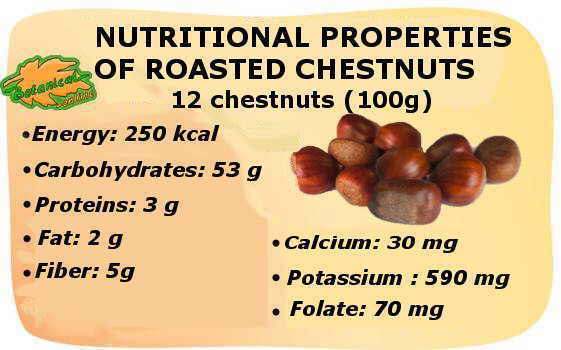
Chestnuts are rich in complex carbohydrates, which makes them an excellent source of energy. They also contain protein, fat, and essential minerals like potassium, phosphorus, zinc, and magnesium. Additionally, chestnuts are a good source of vitamins B1 and B3, as well as vitamin C. The nutritional benefits of chestnuts make them an ideal snack for people looking to maintain a healthy diet.
Calories in Chestnuts
The calorie content of chestnuts varies depending on the method of cooking. Dried chestnuts contain approximately 300 calories per 100g serving, while boiled or roasted chestnuts have around 190-120 calories per 100g serving. This makes them an excellent choice for those looking to manage their weight.
Using Chestnuts in Cooking
Chestnuts are an incredibly versatile ingredient and can be used in a variety of dishes, from sweet treats like castagnaccio and polenta to savory sauces and soups. They’re also a popular topping for salads, pasta dishes, and other meals. One of the most popular ways to cook chestnuts is by roasting them over an open flame, which brings out their natural sweetness.
Culinary Uses of Chestnuts
- Castagnaccio: A traditional Italian dessert made from chestnut flour, water, and olive oil.
- Polenta: A creamy porridge made from cornmeal or chestnut flour, often served with cheese or meat sauces.
- Pasta e Castagna: A classic Italian pasta dish featuring roasted chestnuts and Parmesan cheese.
- Castagnole: Fried dough balls coated in powdered sugar, typically served during the Christmas season.
Precautions and Safety Measures
When consuming chestnuts, it’s essential to be aware of potential allergies or sensitivities. Some people may experience digestive issues or skin irritation due to the high histamine content in chestnuts. Additionally, raw chestnuts can contain bacteria like Salmonella, which can cause food poisoning if not handled properly.
Chestnut Recipes
- Roasted Chestnuts with Rosemary: A simple and flavorful recipe that showcases the natural sweetness of chestnuts.
- Chestnut Risotto: A creamy and comforting dish made from roasted chestnuts, Arborio rice, and Parmesan cheese.
- Chestnut Soup: A hearty and nutritious soup made from roasted chestnuts, vegetables, and broth.
Conclusion
In conclusion, chestnuts are a nutrient-rich food with a rich history and cultural significance in Italy. From their unique flavor to their numerous health benefits, chestnuts are an excellent addition to any diet. Whether you prefer them roasted, boiled, or dried, there’s no denying the delicious taste of this ancient nut.
Frequently Asked Questions
- Are chestnuts good for weight loss?
While chestnuts can be a part of a healthy diet, they do contain calories. However, their high fiber and protein content make them an excellent choice for those looking to manage their weight.
2. Can I eat raw chestnuts?
Yes, you can eat raw chestnuts, but it’s essential to choose fresh ones that have not been contaminated with bacteria or other microorganisms.
3. How do I store chestnuts?
To store chestnuts properly, keep them in a cool, dry place away from direct sunlight and heat sources.
4. Can chestnuts be used as a substitute for gluten-free flours?
While chestnut flour is an excellent option for gluten-free baking, it’s essential to note that it has a different texture and consistency than traditional wheat flour.
5. Are chestnuts suitable for people with diabetes?
Chestnuts can be part of a healthy diet for people with diabetes, but it’s crucial to choose boiled or roasted ones instead of dried ones to minimize the impact on blood sugar levels.
6. Can I use chestnut flour as a thickening agent?
Yes, chestnut flour can be used as a thickening agent in sauces and soups, but it’s essential to note that it has a stronger flavor than traditional wheat flour.
7. How do I prepare chestnuts for cooking?
To prepare chestnuts for cooking, peel them first, then boil or roast them until they’re tender.
8. Can I grow my own chestnut tree?
Yes, you can grow your own chestnut tree! However, it’s essential to choose the right variety and follow proper cultivation techniques to ensure a healthy and productive tree.
Growing Chestnut Trees: A Guide
If you’re interested in growing your own chestnut tree, here are some essential tips to keep in mind:
- Choose the right variety: There are several varieties of chestnut trees available, including the Italian Sweet Chestnut (Castanea sativa) and the American Chestnut (Castanea dentata).
- Plant in well-draining soil: Chestnut trees prefer well-draining soil with a pH between 6.0 and 7.0.
- Provide adequate sunlight: Chestnut trees require full sun to partial shade, depending on the climate and region.
- Water regularly: Chestnut trees need regular watering, especially during the first year after planting.
- Fertilize annually: Fertilize your chestnut tree annually with a balanced fertilizer to promote healthy growth.
By following these tips, you can enjoy the delicious flavor of fresh chestnuts right from your own backyard!


