
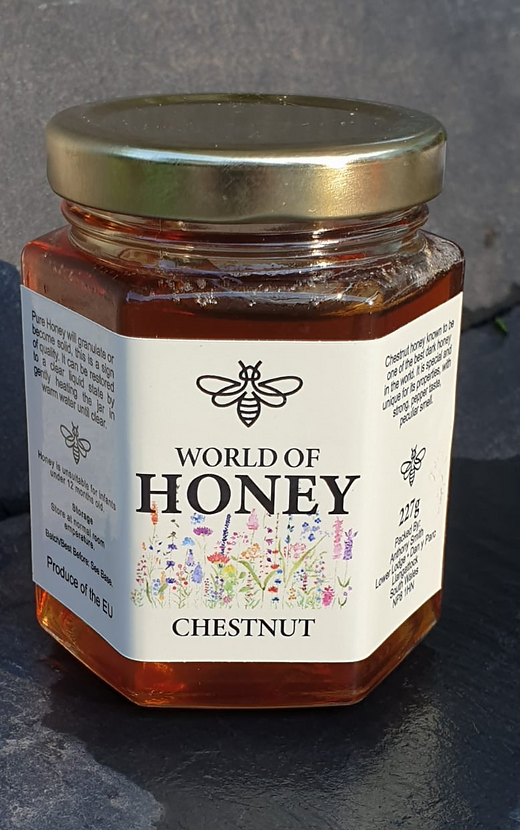
In the world of honeys, there exists a special breed that stands out from the rest – chestnut honey. With its distinct flavor and aroma, it has garnered both appreciation and criticism among those who dare to try it. But what makes chestnut honey so unique, and why should you consider adding it to your diet? Let’s delve into the properties and benefits of this extraordinary honey.
What Makes Chestnut Honey Unique?
Chestnut honey is characterized by its liquid consistency, making it easier to pour and spread on food. Its high fructose content prevents crystallization, allowing it to maintain a smooth texture. The color of chestnut honey can vary depending on the type of chestnut used and the processing methods employed.
Factors Influencing Chestnut Honey’s Taste
Climate and processing techniques play a significant role in shaping the taste of chestnut honey. During dry summers, the honey becomes more robust and flavorful. This is because the nectar from the chestnut flowers is concentrated, resulting in a stronger flavor profile.
The Science Behind Chestnut Honey’s Benefits
Chestnut honey contains a range of beneficial compounds that contribute to its unique properties. These include:
- Antioxidants: Chestnut honey is rich in antioxidants, which help protect against oxidative stress and inflammation.
- Anti-inflammatory agents: The honey’s anti-inflammatory properties may help alleviate symptoms associated with arthritis, allergies, and other inflammatory conditions.
- ** antimicrobial agents**: Chestnut honey has been shown to exhibit antimicrobial activity against a range of bacteria, including Staphylococcus aureus and Escherichia coli.
- Phenolic acids: The phenolic acid content in chestnut honey may contribute to its antioxidant and anti-inflammatory properties.
Is Chestnut Honey Worth Its Price?
A 500-gram jar of high-quality chestnut honey can be purchased online for around €10. Considering its rich nutritional content and potential health benefits, this price seems reasonable. You can find it in supermarkets or organic product stalls, often displayed alongside other artisanal honeys.
Tasting Chestnut Honey: A Love-Hate Relationship
The taste of chestnut honey is not for everyone. Its robust flavor can be overpowering, but some people find it appealing. When trying chestnut honey for the first time, it’s essential to approach with an open mind and a willingness to experience its unique characteristics.
Chestnut Honey as a Natural Remedy
For generations, chestnut honey has been used as a natural remedy against coughs and respiratory infections. Its anti-inflammatory and antibacterial properties make it an effective treatment for sore throats, digestive issues, and stomach pain. Some studies have even shown that chestnut honey can combat specific bacteria like Staphylococcus aureus and Escherichia coli.
Calories in Chestnut Honey: A Nutritional Powerhouse
A 100-gram serving of chestnut honey contains approximately 300 calories. While it’s essential to consume honey in moderation, the nutritional benefits make it a valuable addition to a balanced diet. Rich in proteins, vitamins B and C, and minerals like manganese, potassium, calcium, and iron, chestnut honey offers a range of health advantages.
Chestnut Honey vs. Millefiori: A Comparison
When compared to other types of honey, chestnut honey stands out for its high antioxidant content. Phenolic acid is present in abundance, which helps combat the effects of free radicals caused by pollution, smoking, pesticides, sunlight, medications, and metabolic processes.
Delicious Recipes Featuring Chestnut Honey
Chestnut honey is a staple ingredient in Mediterranean cuisine, particularly in Italy, France, Greece, and Switzerland. Try using it as a base for warm flour pancakes filled with ricotta, or spread it on rustic bread with pungent goat cheese and arugula. You can also add it to cakes or enjoy it as a topping for natural yogurt.
Chestnut Honey during Pregnancy: A Nutritional Boost
Pregnant women can benefit from chestnut honey’s nutritional power and immune-boosting properties. It provides energy while preventing coughs, sore throats, and infections. Additionally, its potential health benefits make it an excellent choice for individuals dealing with chronic diseases like arthritis, cataracts, cancer, cardiovascular disease, and premature aging of the skin.
Chestnut Honey and Cheese: A Match Made in Heaven
The strong flavor of chestnut honey pairs well with a variety of cheeses, including pecorino, stracchino, ricotta, and gorgonzola. In Tuscany, it’s often paired with pear slices to create a delightful sweet and savory combination.
Pappa Reale BIO: A Prized Product from the Apiary
Pappa reale is a highly prized product from the apiary, rich in vitamins B5, PP, and E. It’s particularly effective for preventing and treating influenzas and can help alleviate stress and fatigue. Look for the BIO version, obtained through organic beekeeping, to ensure a safe and sustainable choice.
Tips for Using Chestnut Honey
- Store it properly: Keep chestnut honey away from direct sunlight, heat sources, and moisture.
- Use it in moderation: While chestnut honey is nutritious, its high sugar content means it should be consumed in limited amounts.
- Choose the right type: Select high-quality, raw chestnut honey for optimal flavor and nutritional benefits.
- Pair it with complementary foods: Chestnut honey pairs well with a variety of ingredients, including cheese, fruits, and nuts.
Frequently Asked Questions
- What are the main differences between chestnut honey and other types of honey?
Chestnut honey stands out due to its high fructose content, robust flavor, and antioxidant-rich profile. - Can I use chestnut honey as a natural remedy for allergies?
While chestnut honey has anti-inflammatory properties, it’s not recommended as a treatment for allergies. Consult a healthcare professional before using it as such. - How can I incorporate chestnut honey into my daily routine?
Try adding it to your breakfast cereal or using it as a topping for yogurt or oatmeal. You can also use it in cooking and baking recipes. - Is chestnut honey suitable for individuals with sensitive stomachs?
While generally considered safe, some people may experience digestive issues due to its high sugar content. Start with small amounts and monitor your body’s response. - Can I store chestnut honey in the fridge or freezer?
It’s best to store chestnut honey at room temperature to preserve its texture and flavor. However, you can refrigerate it if you live in a hot climate or want to slow down crystallization.
Conclusion
Chestnut honey is a unique and flavorful addition to any diet. With its rich nutritional content, potential health benefits, and versatility in cooking, it’s an excellent choice for those looking to explore new culinary options. Whether you’re using it as a natural remedy or simply enjoying it on toast, chestnut honey is sure to impress.
By incorporating chestnut honey into your daily routine, you can experience its numerous benefits and discover the sweetness of this extraordinary honey.


