
The Ultimate Guide to Chestnut Grafting: A Beginner’s Introduction
Chestnut grafting is a crucial process in horticulture that involves joining a scion (a part of one plant) onto a rootstock (the main stem of another plant). This technique allows for the creation of new, genetically diverse trees while preserving desirable traits from the parent plants. In this article, we’ll delve into the world of chestnut grafting, covering the best time to perform the process, how to select and prepare the scion, and various techniques for grafting.
Understanding the Basics of Chestnut Grafting
Chestnut grafting can be done at different times depending on your location. In the northern regions of Italy, the ideal time is from April to May, while in the southern regions, it’s best to do it in March. When choosing the scion, look for branches that are already growing new leaves or have green buds. This ensures a successful grafting process.
Selecting and Preparing the Scion
Before proceeding with the grafting process, select a healthy, disease-free scion from a mature chestnut tree. Cut it just above a node (the point where a leaf meets the stem) using a sharp knife or pruning saw. Remove any leaves or twigs below the node to prevent damage during the grafting process.
The Importance of Timing and Environmental Conditions
Timing is crucial when performing chestnut grafting. Choose days with temperatures between 8-10°C (46-50°F), as this allows for optimal healing and integration of the scion onto the rootstock. Avoid doing it in extreme weather conditions, such as during periods of intense heat or cold.
The Grafting Process: A Step-by-Step Guide
Here’s a simplified overview of the grafting process:
- Preparing the Rootstock: Cut a section of the rootstock about 10-15 cm (4-6 inches) long, and remove any lower leaves or twigs.
- Cutting the Scion: Cut the scion from the top portion of the parent tree, just above a node.
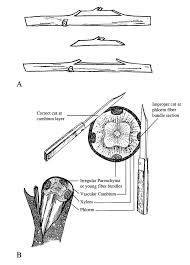
- Making Incisions: Make parallel incisions on both the rootstock and the scion, about 1-2 cm (0.5-1 inch) deep.
- Joining the Scion: Gently place the scion onto the rootstock, ensuring the incisions are aligned.
- Securing with Tape or Wire: Use tape or wire to hold the scion in place, while also securing it to the rootstock.
Types of Chestnut Grafting Techniques
There are several techniques used for chestnut grafting:
- Innesto Semplice (Simple Graft): This is a basic technique where the scion and rootstock are cut at an angle and joined together.
- Innesto a Doppio Spacco Inglese (Double-Strap English Graft): This technique involves making two incisions on both the scion and rootstock, creating an additional point of attachment.
Tips for Successful Chestnut Grafting
To increase your chances of success:
- Handle the Scion Carefully: Be gentle when handling the scion to avoid damaging it.
- Use the Right Tools: Choose sharp knives or pruning saws for making incisions and cuts.
- Monitor Progress: Keep an eye on the grafting process, checking for signs of healing and integration.
Common Challenges and Solutions
Some common issues that may arise during chestnut grafting:
- Rejection: The scion may not take hold or may be rejected by the rootstock. This can be caused by incorrect timing, inadequate handling, or poor quality scions.
- Infection: Bacteria or fungi can infect the scion or rootstock, leading to rejection or failure.
Conclusion
Chestnut grafting is a delicate process that requires careful attention to detail and precise timing. By following these guidelines and tips, you’ll be well on your way to successfully growing new chestnut trees. Remember to monitor progress, address any challenges that arise, and enjoy the rewards of this rewarding horticultural technique.
Frequently Asked Questions (FAQs)
-
What is the best time to graft a chestnut tree?
Answer: The ideal time for chestnut grafting depends on your location. In the northern regions, it’s best to do it in April-May, while in the southern regions, March is the optimal month.
2. How often should I water my newly grafted chestnut tree?Answer: Water your newly grafted tree regularly, but avoid overwatering. Aim for about 1-2 inches of water per week, either from rainfall or irrigation.
3. What type of soil is best for growing chestnuts?Answer: Chestnuts prefer well-draining, fertile soils with a pH between 6.0 and 7.0. Avoid planting in areas with standing water or where water tends to collect.
4. Can I graft multiple scions onto one rootstock?Answer: Yes, but be aware that this may increase the risk of rejection or failure. It’s recommended to start with a single scion and establish a successful grafting process before attempting multiple grafted trees.
5. How long does it take for a chestnut tree to mature after grafting?Answer: The maturation period varies depending on factors such as climate, soil quality, and tree health. On average, chestnut trees can take around 10-15 years to reach maturity after grafting.
By following these guidelines and tips, you’ll be well-equipped to tackle the art of chestnut grafting. Happy grafting!


