
Introduction
Chestnut flour, a staple in Mediterranean cuisine, is gaining popularity worldwide due to its unique nutritional profile and versatility. But what makes it so special? In this article, we’ll delve into the world of chestnut flour, exploring its properties, uses, and benefits.
What is Chestnut Flour?
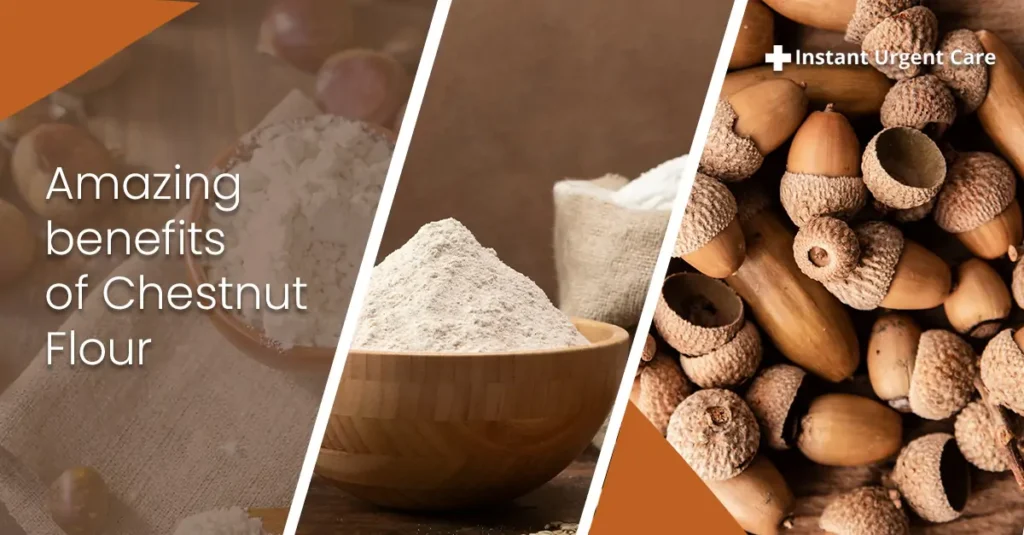
Chestnut flour, also known as farina di castagne in Italian, is a gluten-free alternative made from roasted and ground chestnuts. The process involves drying the chestnuts to remove excess moisture, then milling them into a fine powder. This process retains the natural nutrients and flavor of the chestnuts.
Nutritional Properties
Chestnut flour contains approximately 14-15% fiber and has several nutritional benefits:
- High in carbohydrates (76.2g per 100 grams)
- Moderate protein content (6.1g per 100 grams)
- Rich in healthy fats (3.7g per 100 grams)
- Good source of minerals like magnesium, zinc, iron, and calcium
- Fortified with vitamins B1, B2, and C
Uses for Chestnut Flour
Chestnut flour can be used as a:
- 1:1 substitute for wheat flour in many recipes
- Additive to improve texture and flavor
- Gluten-free option for those with dietary restrictions
Some traditional Italian dishes that utilize chestnut flour include:
- Panis focacius (a type of bread)
- Castagnaccio (a traditional chestnut cake)
- Polenta
Replacing Wheat Flour
Chestnut flour can replace wheat flour in many recipes, but it’s essential to note that it has a distinct flavor and texture. When substituting, use 1:1 ratio for similar textures and adjust accordingly for flavor.
Benefits of Using Chestnut Flour
Using chestnut flour offers several benefits:
- Gluten-free option for those with dietary restrictions
- High fiber content promotes digestive health
- Rich in minerals and vitamins essential for overall well-being
Alternatives to Wheat Flour
If you’re looking for more options, consider these alternatives:
- Almond flour (gluten-free)
- Coconut flour (low-carb)
- Oat flour (gluten-free)
When choosing an alternative, be mindful of the ingredients and nutritional content.
Culinary Uses
Get creative with chestnut flour in your recipes!
Some fun ideas include:
- Chestnut flour pancakes
- Gluten-free pizza crusts
- Baked goods like cakes, cookies, and muffins
Don’t forget to adjust cooking times and temperatures as needed.
Substituting Wheat Flour with Chestnut Flour
When substituting wheat flour with chestnut flour in recipes, keep the following in mind:
- Ratio: Use a 1:1 ratio for similar textures, but adjust accordingly for flavor.
- Liquid Content: Reduce liquid content by about 10-15% as chestnut flour absorbs more moisture than wheat flour.
- Cooking Time and Temperature: Adjust cooking times and temperatures based on the unique characteristics of chestnut flour.
Tips for Working with Chestnut Flour
- Use a high-quality, fresh chestnut flour for the best results
- Store chestnut flour in an airtight container to maintain its quality
- Experiment with different recipes to find your favorite ways to use chestnut flour
Health Benefits of Using Chestnut Flour
Incorporating chestnut flour into your diet can provide several health benefits:
- High Fiber Content: The high fiber content in chestnut flour helps promote digestive health and satiety.
- Rich in Minerals and Vitamins: Chestnut flour is a good source of minerals like magnesium, zinc, iron, and calcium, as well as vitamins B1, B2, and C.
Nutritional Comparison: Wheat Flour vs. Chestnut Flour
Here’s a comparison of the nutritional content of wheat flour and chestnut flour per 100 grams:
- Wheat Flour:
- Carbohydrates: 65.3g
- Protein: 10.9g
- Fat: 1.4g
- Fiber: 2.8g
- Sodium: 0.2mg
- Potassium: 115mg
- Chestnut Flour:
- Carbohydrates: 76.2g
- Protein: 6.1g
- Fat: 3.7g
- Fiber: 14-15%
- Sodium: 0.5mg
- Potassium: 170mg
Conclusion
Chestnut flour is a delicious and nutritious alternative to wheat flour. Its versatility and health benefits make it an excellent choice for gluten-free diets. With the right substitutions and recipes, you can enjoy this amazing ingredient in your favorite dishes.
Frequently Asked Questions (FAQs)
- Q: Is chestnut flour suitable for those with celiac disease?
A: Yes, chestnut flour is naturally gluten-free. - Q: Can I use chestnut flour as a direct substitute for wheat flour?
A: In some recipes, but adjust accordingly due to differences in texture and flavor. - Q: Are there any specific health benefits associated with consuming chestnut flour?
A: Yes, it’s high in fiber, minerals, and vitamins essential for overall well-being. - Q: How do I store chestnut flour to maintain its quality?
A: Keep it in an airtight container at room temperature or refrigerate for longer storage. - Q: Can I use chestnut flour to make bread with a yeast starter?
A: Yes, but you may need to adjust the recipe due to the unique characteristics of chestnut flour. - Q: How do I determine if my chestnut flour is fresh?
A: Check for aroma and texture; stale or rancid flour should have a strong smell and feel coarse. - Q: Can I use chestnut flour in savory dishes?
A: Yes, its nutty flavor complements a variety of recipes, from sauces to marinades. - Q: Are there any specific health benefits associated with consuming chestnut flour for weight loss?
A: While not a magic bullet, the high fiber content can contribute to satiety and healthy digestion. - Q: Can I use chestnut flour as a thickening agent in soups or sauces?
A: Yes, its starch helps thicken liquids without adding extra sugar or salt.


