
As the old adage goes, “when life gives you lemons, make lemonade.” But what about when life gives you chest pain? A persistent or severe sensation of burning in your chest can be unsettling, to say the least. But is it an indication of a heart attack or something else entirely?
Let’s dive into the world of chest pain and explore its possible causes.
The Complexity of Chest Pain
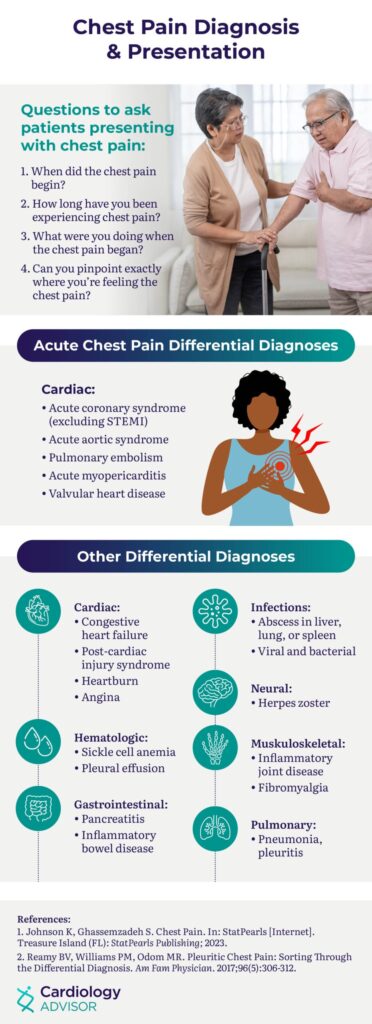
Chest pain is a symptom that can stem from numerous sources beyond just heart-related issues. Pancreatitis, pneumonia, anxiety attacks, and even stress can all contribute to this discomfort. And, as we’ll discuss later, not all cases are created equal.
So, how do you know when to worry?
Is It an Infarction?
While it’s true that some chest pains can be indicative of a heart attack, it’s essential to approach this with caution. Only about 5% of people who experience chest pain will actually have an infarction (heart attack). The other 95% may not.
Angina, on the other hand, is a more common condition where part of the heart muscle doesn’t receive enough oxygen-rich blood during periods of physical or emotional stress. In some cases, this can lead to pain in the chest area.
However, it’s crucial to note that angina can manifest differently in each person. Some may experience classic chest pain, while others might feel discomfort in their back or shoulders, shortness of breath, or even nausea.
The Importance of Prompt Medical Attention
When it comes to determining whether you should seek medical attention, the answer is a resounding yes!
If you’re experiencing any combination of these symptoms, including:
• Chest pain that lasts for more than a few minutes
• Shortness of breath or feeling of pressure in your chest
• Nausea or vomiting
• Lightheadedness or dizziness
• Pain or numbness in your arms, back, neck, jaw, or stomach
then it’s time to head to the hospital.
What to Expect at the Doctor’s Office
When you arrive at the doctor’s office, be prepared to provide as much detail as possible about your symptoms. This includes:
• When the pain started and how long it lasts
• The location and severity of the pain
• Any other symptoms you’re experiencing
• Your medical history
• Any medications or supplements you’re taking
Your doctor may perform various tests, such as an electrocardiogram (ECG) or blood work to check for elevated troponin levels.
The Different Types of Chest Pain
There are several types of chest pain that can be caused by different conditions. Here are a few examples:
- Acute Angina: A sudden and severe chest pain that is often accompanied by shortness of breath, nausea, or vomiting.
- Stable Angina: A chronic condition characterized by mild to moderate chest pain that occurs with physical activity or emotional stress.
- Unstable Angina: A type of angina that is more severe than stable angina and may be accompanied by changes in the ECG or elevated troponin levels.
- Cardiac Arrhythmias: Abnormal heart rhythms that can cause chest pain, palpitations, or shortness of breath.
- Panic Attacks: Sudden episodes of intense fear or anxiety that can cause chest pain, rapid heartbeat, and shortness of breath.
Anxiety and Stress-Related Chest Pain
Stress and anxiety can contribute to chest pain in some individuals. This type of chest pain is often referred to as “stress-induced” or “anxiety-related” chest pain.
In addition to the symptoms mentioned earlier, people who experience stress and anxiety may also exhibit other signs, such as:
• Tightness or pressure in the chest
• Difficulty breathing or feeling winded even when resting
• Rapid heartbeat or palpitations
• Sweating or flushing of the skin
The Role of Lifestyle Factors
Lifestyle factors can play a significant role in the development of chest pain. Here are some examples:
- Smoking: Tobacco smoke contains chemicals that can damage the heart and blood vessels, increasing the risk of chest pain.
- Physical Activity: Engaging in strenuous physical activity without adequate warm-up or cooling down can lead to chest pain.
- Emotional Stress: High levels of stress and anxiety can contribute to chest pain.
- Poor Diet: A diet high in saturated fats, salt, and sugar can increase the risk of heart disease and chest pain.
Frequently Asked Questions
- Q: Can I treat chest pain at home?
A: No, it’s generally best to seek medical attention if you’re experiencing persistent or severe chest pain. - Q: What are the signs of a heart attack?
A: Chest pain that lasts for more than a few minutes, shortness of breath, nausea or vomiting, and pain in your arms, back, neck, jaw, or stomach can be indicative of a heart attack. - Q: How common is chest pain caused by heart disease?
A: While some cases are related to heart issues, most people who experience chest pain do not have an infarction (heart attack). - Q: What should I expect at the doctor’s office?
A: Your doctor may perform tests such as an ECG or blood work to check for elevated troponin levels. - Q: Can stress and anxiety cause chest pain?
A: Yes, stress and anxiety can contribute to chest pain in some individuals.
Conclusion
Chest pain is a complex issue that requires careful attention. While it’s true that not all cases are created equal, it’s essential to approach this symptom with caution and seek medical help if you’re experiencing persistent or severe discomfort.
By being aware of the possible causes and knowing when to seek medical attention, you can take control of your health and well-being.
Stay informed, stay vigilant, and most importantly, stay healthy!
Additional Tips for Managing Chest Pain
If you experience chest pain, there are several things you can do to manage it until you can see a doctor:
- Take slow, deep breaths: This can help reduce stress and anxiety.
- Apply gentle pressure: Using an elastic bandage or a pressure wrap on your arm may help alleviate symptoms.
- Stay hydrated: Drinking plenty of water can help prevent dehydration.
- Avoid triggers: If you know that certain activities or emotions trigger your chest pain, try to avoid them until you can see a doctor.
Remember, chest pain is not just a minor annoyance; it’s a symptom that requires attention and care. By being proactive and seeking medical help when necessary, you can reduce the risk of complications and promote overall health and well-being.


