
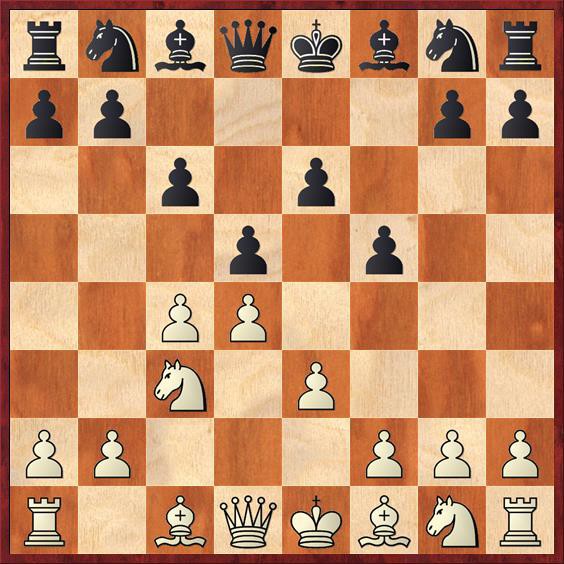
Chess is often considered a game of strategy, but its complexity can be daunting for beginners. Understanding how to play chess requires more than just memorizing moves; it demands a deep understanding of the game’s underlying principles. In this article, we will explore the fundamental concepts of chess, focusing on positional play and the four pillars of opening strategy.
Introduction to Chess
Chess is a two-player board game where players move pieces on a square board with the ultimate goal of checkmating their opponent’s king. The game requires strategic thinking, problem-solving, and analytical skills. Each piece has its unique movements, strengths, and weaknesses, which must be utilized effectively to achieve victory.
The Starting Position
In chess, the starting position is crucial. The player who moves first is called white, while the second player is black. White’s first move sets the tone for the entire game. According to chess theory, there are 20 possible first moves, but only a few are considered good. Let’s examine some of these options:
- Pedon Move: White can move one of their pawns (pedons) forward by one or two spaces.
- Cavalry Move: White can move their horse (cavallaro) in an L-shape, either two squares horizontally and then one vertically, or two squares vertically and then one horizontally.
The key to a successful opening is choosing a pawn structure that supports the pieces. A well-placed pawn can control the center of the board, provide mobility for other pieces, and block potential attacks.
The Four Pillars of Opening Strategy
To master chess, it’s essential to understand the four pillars of opening strategy:
1. Conquista Fisica del Centro (Physical Center Control)
Controling the central squares allows you to move your pieces more freely and puts pressure on your opponent. The center of the board is a high-value area that requires attention.
- Pawn Chain: A row of pawns in front of your king, which can provide a solid foundation for developing other pieces.
- Piece Development: Moving pieces out from their starting positions to attack the opponent’s position and prepare for future attacks.
2. Sviluppo Rapido dei Pezzi (Rapid Piece Development)
Developing pieces quickly can help you gain an advantage by:
- Mobility: Moving pieces around the board, creating potential threats and opportunities.
- Pawn Structure: Creating a solid pawn structure to support the pieces.
3. Movimento Oculato dei Pedoni (Clever Pawn Movement)
Pawns play a crucial role in chess, and their movement can be used to:
- Block Attacks: Pawns can block attacks on more valuable pieces.
- Create Weak Points: Pawns can create weak points in the opponent’s position.
4. Sicurezza del Re (King Safety)
Protecting your king is essential, as it’s the primary target of an attack. Keeping your king safe by:
- Pawn Shield: Placing pawns in front of your king to block potential attacks.
- Piece Placement: Positioning pieces around your king to provide protection.
Positional Play
Positional play refers to the use of pawns and pieces to control key squares on the board, create imbalances, and put pressure on your opponent. Positional play is often more subtle than tactical play, but it can be just as effective in achieving victory.
- Pawn Chains: Creating a row of pawns to block attacks or create a barrier.
- Piece Development: Moving pieces out from their starting positions to attack the opponent’s position.
- Control of Key Squares: Controlling key squares on the board to limit your opponent’s mobility and create threats.
Tactical Play
Tactical play refers to the use of individual moves to attack or defend against specific threats. Tactical play is often more dynamic than positional play, but it requires a deep understanding of the game’s underlying principles.
- Pinning: Attacking an opponent’s piece that is defended by a more valuable piece.
- Forking: Attacking multiple opponent pieces at the same time.
- Skewering: Attacking an opponent piece with a piece that is not defending it.
Conclusion
Mastering chess requires a deep understanding of its fundamental concepts, including positional play and the four pillars of opening strategy. By controlling the center, developing pieces quickly, moving pawns cleverly, and keeping your king safe, you can set yourself up for success in the game. With practice and dedication, anyone can improve their skills and become a formidable opponent.
Frequently Asked Questions (FAQs)
- Q: What is the best way to start a chess game?
A: The best opening move depends on your style of play and the specific position on the board. - Q: How do I develop my pieces quickly?
A: Move your pieces out from their starting positions, using pawns as a foundation for piece development. - Q: Can pawns be used to block attacks?
A: Yes, pawns can be used to block attacks on more valuable pieces, but use them wisely to avoid creating weak points. - Q: How do I keep my king safe?
A: Place pawns in front of your king to block potential attacks and position pieces around your king to provide protection. - Q: What is the most important aspect of chess strategy?
A: Controlling the center of the board, as it provides mobility for pieces and puts pressure on your opponent.
By mastering these fundamental concepts and strategies, you’ll be well on your way to becoming a skilled chess player.


