
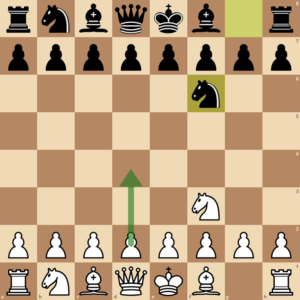
As we delved into the initial positions of pieces and the four pillars of chess opening wisdom in our previous article, it’s essential to touch upon the theoretical underpinnings of chess openings. Since the dawn of the game, players have recognized that certain sequences of moves (openings) can lead to more promising positions than others. Through practice and experience, the art of playing these openings has been refined, resulting in a deeper understanding of how to control the center, develop pieces efficiently, move pawns thoughtfully, and safeguard the king.
The Theory of Chess Openings
The study of all possible chess openings forms the basis of chess opening theory. By examining various openings, players can identify patterns, strategies, and techniques that contribute to success or failure in different situations.
Key Concepts
- Aperture: A sequence of moves that leads to a specific position on the board.
- Center control: The ability to occupy key squares in the center of the board, which provides greater mobility and influence over the game.
- Piece development: Moving pieces out from their starting positions to attack or defend.
- Pawn structure: The arrangement of pawns on the board, which affects the overall shape and flexibility of the position.
Most Common Openings
The choice of first move for White is often determined by the need to control the center of the board. This leads to two of the most popular openings: the King’s Pawn Opening (1.e4) and the Queen’s Pawn Opening (1.d4). These moves occupy central squares, which provides a solid foundation for further development.
Other openings, such as the Larsen’s Opening (1.b3) and the Reti Opening (1.Cf3), can also achieve center control without using pawns on d4 or e4. However, they are less common among beginners due to their unconventional nature.
The Evolution of Chess Openings
The study of chess openings has continued to evolve over time, with new ideas and strategies emerging through practice and experimentation. In tournaments, players often encounter previously unseen opening lines, which can lead to innovative play and unexpected outcomes.
While understanding these complexities is crucial for advancing in the game, it’s not necessary to delve into them immediately. Instead, focus on grasping the fundamental principles that underlie successful openings, such as the four pillars of wisdom: conquering the center, developing pieces rapidly, moving pawns strategically, and safeguarding the king.
The Four Pillars of Chess Opening Wisdom
These strategic guidelines provide a solid foundation for exploring various chess opening theories:
- Conquering the Center: Occupying key squares in the middle of the board allows for greater mobility and influence over the game.
- Rapid Piece Development: Moving pieces out from their starting positions enables attack, defense, or support.
- Strategic Pawn Movement: Pawns can be used to block attacks, create space, or facilitate piece development.
- King Safety: Protecting the king is essential for preventing checkmate and ensuring long-term success.
By following these principles, players can develop a deeper understanding of chess openings and improve their overall game.
Exploring Alternative Openings
While the King’s Pawn Opening and Queen’s Pawn Opening are popular choices, there are other approaches to consider:
- The Larsen’s Opening: This opening involves playing 1.b3, which can lead to some interesting pawn structures and transpositions.
- The Reti Opening: By playing 1.Cf3, White can also achieve center control without using pawns on d4 or e4.
These alternatives may not be as well-known among beginners, but they offer unique opportunities for players looking to experiment with unconventional opening lines.
Conclusion
Mastering chess openings requires a deep understanding of the game’s strategic and tactical aspects. By grasping the fundamental principles outlined above – including center control, piece development, pawn structure, and king safety – players can set themselves up for success in various situations. Whether exploring popular or alternative openings, focus on developing a nuanced understanding of the game to elevate your skills.
Frequently Asked Questions
- What is the most common chess opening used by beginners?
- How do I improve my chess opening knowledge?
- Can I still use popular openings if I’m not familiar with them?
- Are there any specific pawn structures that are considered stronger or weaker?
- Can I make up new opening lines, and what are the benefits of doing so?
Advanced Chess Openings
For experienced players looking to take their game to the next level, exploring advanced chess openings can be a valuable pursuit. Some popular options include:
- The King’s Indian Defense: A versatile and aggressive response to 1.d4.
- The Queen’s Gambit: A classic opening that offers a range of pawn structures and transpositions.
- The Sicilian Defense: A complex and dynamic opening that can be used against a variety of responses.
These advanced openings require a deep understanding of the game’s strategic and tactical aspects, as well as a strong foundation in chess fundamentals.
The Role of Opening Theory in Modern Chess
Opening theory plays an increasingly important role in modern chess. With the rise of computer analysis and online resources, players can now access a vast amount of information on various openings. This has led to a proliferation of new ideas and strategies, which have in turn forced players to adapt and evolve their opening repertoire.
By staying up-to-date with the latest developments in opening theory, players can gain a competitive edge and improve their overall game. Whether exploring popular or alternative openings, understanding the strategic and tactical aspects of chess is essential for success.
The Importance of Opening Preparation
Preparing for the opening phase of a game can make all the difference between victory and defeat. By taking the time to study and analyze various openings, players can develop a deeper understanding of the game’s fundamental principles and improve their overall skills.
Some key considerations when preparing for an opening include:
- Understanding the strategic goals: Identify what you want to achieve with your opening and plan accordingly.
- Analyzing different transpositions: Consider how different moves can lead to various pawn structures and positions.
- Practicing against different responses: Train against a range of opponents to prepare for various possible scenarios.
By focusing on opening preparation, players can set themselves up for success in the long run and improve their overall game.


