
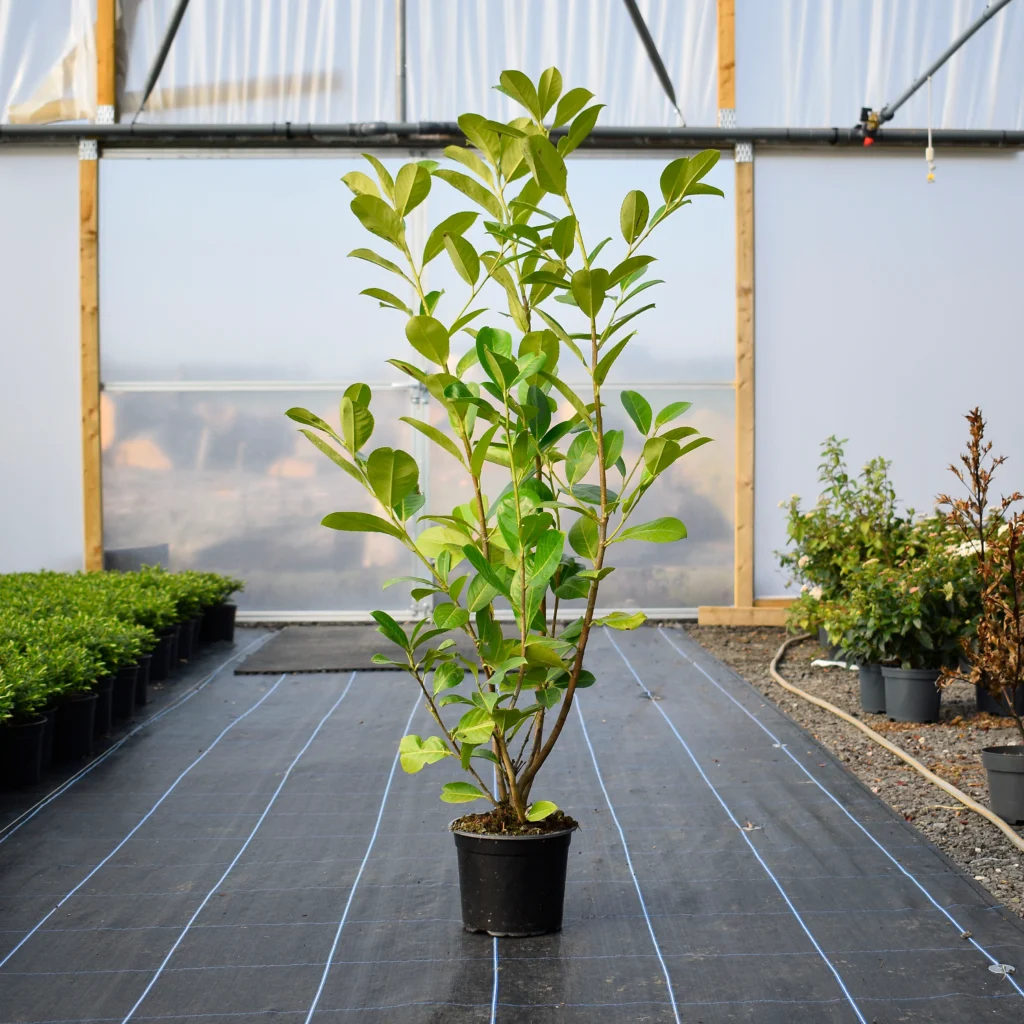
As a gardener, selecting the right plant for your garden can be overwhelming. Among the numerous options available, Prunus laurocerasus, also known as laurel cherry or Korean cherry, stands out for its unique characteristics and versatility. In this article, we will delve into the world of Prunus laurocerasus, exploring its differences from Laurus nobilis (bay laurel), its cultivation in pots or gardens, common issues, and maintenance requirements.
What is Prunus Laurocerasus?
Prunus laurocerasus is a deciduous shrub or small tree belonging to the Rosaceae family. Its scientific name refers to the similarity of its leaves with those of Laurus nobilis (bay laurel) and Prunus avium (sweet cherry). Unlike bay laurel, which can grow up to 15 meters in height, Prunus laurocerasus generally reaches a height of 7-8 meters under ideal conditions. If you’re looking for a taller tree, consider a cypress.
Differences Between Lauroceraso and Alloro
For those unfamiliar with the terms, it’s essential to differentiate between lauroceraso (Prunus laurocerasus) and alloro (Laurus nobilis). While both plants have similar leaf shapes, they belong to different species. The main differences lie in their growth habits, resistance to pruning, and adaptability to environments.
Cultivating Prunus Laurocerasus in Pots
When it comes to growing a lauroceraso in a pot, consider the following factors:
- Growth Rate: Prunus laurocerasus grows faster than bay laurel. However, this rapid growth requires more frequent pruning and a balanced nutrient diet.
- Container Size: Prune your lauroceraso regularly to maintain its desired shape. Be prepared to replace the container every 3-5 years as it outgrows its current space.
- Irrigation: In pots, lauroceraso requires more frequent watering and fertilization compared to bay laurel. Monitor your plant’s moisture levels closely, ensuring not to overwater or underwater.
Cultivating Prunus Laurocerasus in Gardens
To cultivate a lauroceraso in a garden:
- Sunlight: Prefer full sun, but it can tolerate partial shade.
- Temperature: Not resistant to frost; remove damaged branches during winter months.
- Pruning: Trim the plant during late winter or early spring, removing dead and damaged leaves.
Common Issues with Prunus Laurocerasus
As with any plant, Prunus laurocerasus is susceptible to certain issues:
- Powdery Mildew: A fungal disease that causes white spots on leaves. Proper watering and pruning can help prevent this issue.
- Brown Tips: Caused by overwatering or underwatering. Adjust your irrigation schedule according to the plant’s needs.
Pest Control
To maintain a healthy lauroceraso, keep an eye out for pests like aphids, whiteflies, and spider mites. Regularly inspect your plant, and consider using organic pest control methods whenever possible.
Soil Quality
Prunus laurocerasus prefers well-draining soil with a slightly acidic pH (around 6.0-7.0). Avoid planting in areas with standing water or poor drainage to prevent root rot and other issues.
Fertilization
Feed your lauroceraso with a balanced fertilizer during the growing season, providing essential nutrients for healthy growth and fruit production.
Pruning Tips
Proper pruning is crucial for maintaining the shape and health of Prunus laurocerasus. Here are some tips:
- Regular Pruning: Prune your lauroceraso regularly to maintain its desired shape.
- Cutting Techniques: Use clean, sharp tools when cutting branches to prevent damage to the plant.
- Deadheading: Remove spent flowers and fruit to encourage more blooms.
Conclusion
Prunus laurocerasus is a versatile and adaptable plant, offering numerous benefits for gardeners. By understanding its growth habits, pruning requirements, and potential issues, you can create a thriving environment for this beautiful shrub or tree.
FAQs
- What is the primary difference between lauroceraso and alloro?
- Lauroceraso (Prunus laurocerasus) is a deciduous shrub/small tree with a growth rate, while alloro (Laurus nobilis) is an evergreen with a slower growth rate.
- How often should I prune my Prunus laurocerasus?
- Prune your lauroceraso regularly to maintain its desired shape. Regular pruning promotes healthy growth and prevents overgrowth.
- Can I grow Prunus laurocerasus in full sun?
- Yes, prefer full sun, but it can tolerate partial shade.
- What is the ideal temperature range for Prunus laurocerasus?
- Not resistant to frost; remove damaged branches during winter months.
- How often should I water my Prunus laurocerasus in a pot?
- Water your lauroceraso regularly, but avoid overwatering or underwatering.
- Can I grow Prunus laurocerasus in an area with low temperatures?
- No, Prunus laurocerasus is not resistant to frost; remove damaged branches during winter months.
By following these guidelines and being aware of the potential issues, you can create a beautiful and thriving garden featuring Prunus laurocerasus.


